How to Align Interests for Success in Passive Real Estate Investing [Passive Investor Pro Series]

This article explores a crucial concept for passive real estate investors: alignment of interests with the sponsor (general partner) managing your investment. Gino Barbaro of Jake and Gino, a multifamily investing community, emphasizes this concept through his own experience of losing a significant sum of money due to misaligned interests.

Common Pitfalls and Missed Opportunities

The video highlights several challenges faced by passive investors:

  • Unrealistic expectations of guaranteed returns: Some sponsors may downplay risks, leading to disappointment for investors.
  • Misunderstanding of liquidity: Unlike traditional stocks, real estate investments often lock up your capital for extended periods.
  • Capital calls: Unexpected requests for additional funds from the sponsor can strain your finances.
  • Sponsor selection: Choosing an inexperienced or untrustworthy sponsor can significantly impact your investment’s performance.

The Importance of Alignment

Barbara emphasizes the importance of thorough due diligence to ensure your interests align with the sponsor’s. Here are some key questions to consider:

  • Does the sponsor have a history of increasing Net Operating Income (NOI) in their properties?
  • Does the sponsor co-invest their own capital in the deal? Having “skin in the game” incentivizes the sponsor’s success alongside yours.
  • Are the sponsor’s fees reasonable? Compare fees charged by different sponsors to get a sense of the market average.
  • Does the sponsor have a clear understanding of the risks involved? A transparent sponsor will openly discuss potential challenges.

Beyond Alignment: Setting Goals

The article also highlights the importance of setting clear investment goals. Understanding your goals will help you choose deals that align with your financial aspirations and risk tolerance.

Taking Control: Educating Yourself

Barbara emphasizes that passive investors don’t need to rely solely on sponsors for information. By educating yourself through resources like Jake and Gino’s Passive Investor Pro program, you can make informed investment decisions and avoid costly mistakes.

Remember: It’s always better to walk away from a deal that doesn’t feel right than to invest in something that doesn’t align with your interests and goals.

Dreaming of financial freedom without the hassle of managing properties? Introducing Passive Investor Pro, a comprehensive educational program that unlocks the secrets of passive real estate investing, where you can build wealth without tenants, toilets, and trash!

Learn how to become a professional passive investor and let your money work for you:

Learn How To Create Passive Income in Real Estate

Passive Investor Pro: Learn How To Create Passive Income in Real Estate [Passive Investor Pro Series]

Tired of the headaches associated with traditional real estate investing? This article introduces you to the concept of passive real estate investing, a strategy that allows you to reap the benefits of real estate ownership without the day-to-day hassle of managing properties.

The video, presented by Gino Barbaro of Jake and Gino, a community focused on multifamily investing, highlights the challenges faced by many passive investors during the previous market cycle.

These included:

  • Floating-rate debt: This type of debt can lead to unpredictable interest rate fluctuations, impacting your investment returns.
  • Poor operator selection: Choosing the wrong sponsor to manage your investment can significantly impact its performance.
  • Capital calls: Unexpected requests for additional funds from the investment sponsor can strain your financial resources.
  • Foreclosures: In a downturned market, properties can face foreclosure, resulting in a potential loss of your investment.

The Solution: Educated Investing

Jake and Gino offer “Passive Investor Pro” a course designed to empower you to become a “professional passive investor.” This course leverages their “Buy Right, Manage Right, Finance Right” framework to equip you with the knowledge and skills to:

  • Analyze deals like a pro: Learn to decipher complex investment terms and confidently evaluate potential opportunities.
  • Become an expert on sponsor selection: Develop the ability to identify high-performing operators who will manage your investment wisely.
  • Assemble your dream team: Connect with essential advisors such as CPAs, securities attorneys, and asset protection specialists to safeguard your investment.

Investing with Confidence

One of the key benefits highlighted by Jake and Gino is their commitment to educating investors without pressuring them to invest their money directly with them. Their focus is on empowering you to make informed decisions and build a secure financial future through passive real estate investing.

Ready to take control? The graphic below includes a link to schedule a call with the Jake and Gino team to learn more about their course and how it can help you become a successful passive real estate investor. Learn more:

passive investor pro

Build Your Financial Hive: How to Create Multiple Streams of Income

This article explores the concept of creating multiple streams of income. Financial security isn’t just about having a high income; it’s about having income flowing from various sources. Gino Barbaro uses the analogy of a beehive to illustrate this concept. The beehive itself is the main asset, but the bees (the income streams) work together to create a robust and flourishing system.

Watch video version:

Here are some key takeaways:

  • Multiple Streams are Complementary: Don’t just add random income sources. Focus on ventures that complement your core business and expertise. This creates a synergistic effect, where each stream strengthens the others.

  • Think Beyond the Obvious: Look for hidden income opportunities within your existing business. In real estate, for example, this could include income from laundry services, cable contracts, or late fees.

  • Expand Your Skillset: Consider creating related service companies to support your main business. For instance, a plumber could partner with a multifamily property owner to handle all their plumbing needs.

Barbaro uses his own experience to illustrate these points. He transformed a single restaurant business into a mini-empire by creating a cookbook, selling merchandise, offering cooking classes, and even hosting catering events. Each of these ventures stemmed from the core restaurant business but functioned as independent income streams.

The article also emphasizes that you don’t need to be a large-scale investor to benefit from this strategy. Even a small multifamily property owner can create additional income streams by offering property management services or starting an education company focused on real estate investing.

The key message is to think creatively and strategically about how to leverage your existing assets and expertise to build a robust financial system that resembles a thriving beehive.

_______________________

Dreaming of financial freedom without the hassle of managing properties? Introducing Passive Investor Pro, a comprehensive educational program that unlocks the secrets of passive real estate investing, where you can build wealth without tenants, toilets, and trash!

Learn how to become a professional passive investor and let your money work for you.

https://invest.jakeandgino.com/home


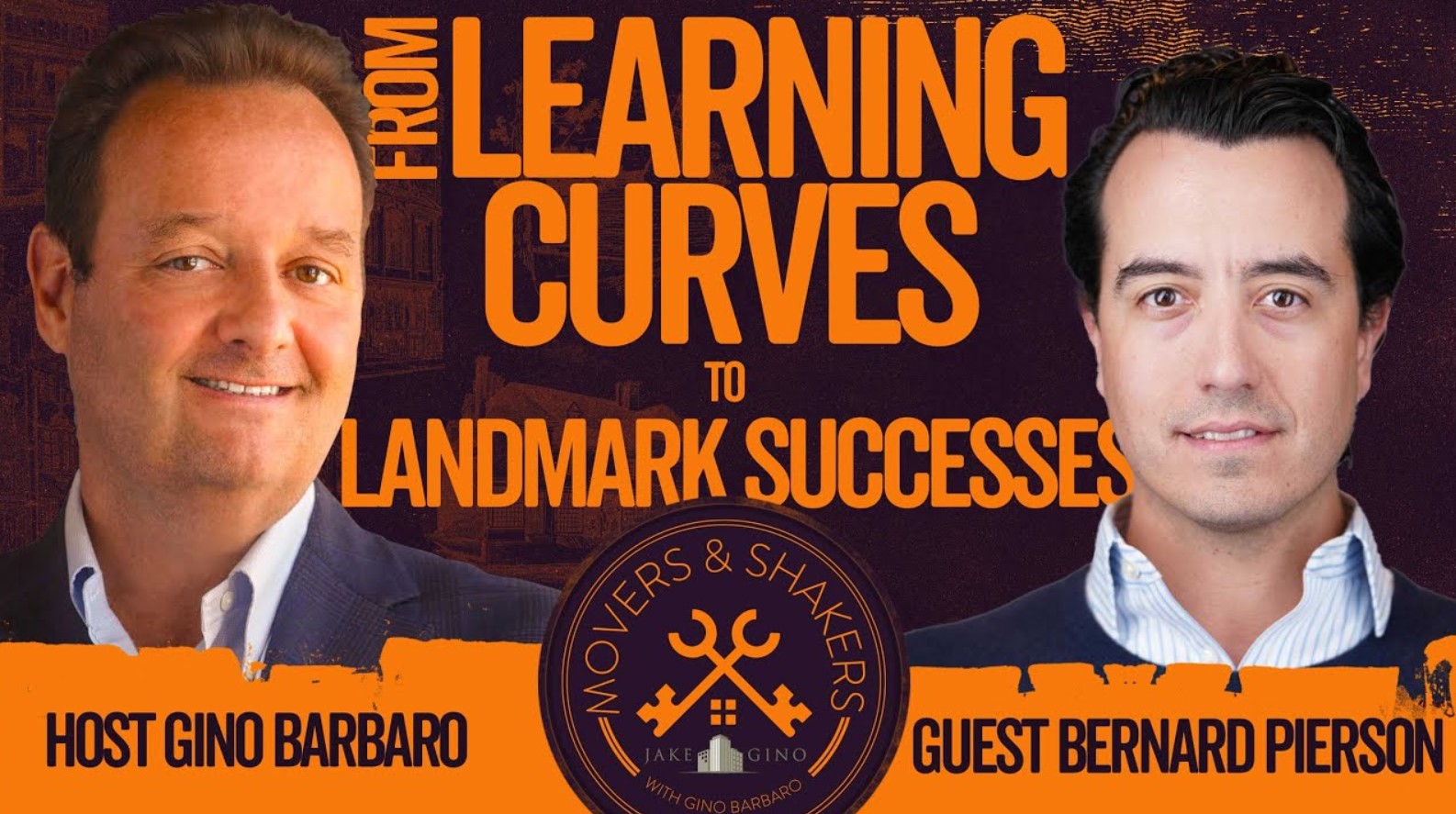
From Developer to Multifamily Investor: Bernard Pearson’s Journey to Success

Bernard Pearson’s path to multifamily investing is a winding road paved with experience and adaptation. This article explores his journey, highlighting the key moments that led him to success in the world of real estate.

Early Career in Residential Real Estate

Bernard’s foray into real estate began with single-family homes and duplexes. While this provided a solid foundation, he craved a bigger challenge and the potential for larger returns.

Shifting Gears to Development

Seeking new opportunities, Bernard ventured into real estate development in Nicaragua. This experience, however, proved to be frustrating due to slow-moving processes and bureaucratic hurdles. The transactional nature of development, where projects were completed and sold before moving on to the next, also left him yearning for a more continuous income stream.

Discovering Multifamily Investing

The answer to Bernard’s desires came in the form of multifamily investing. Multifamily offered the benefits of stable cash flow, reduced risk compared to development, and the potential for appreciation. Recognizing this, Bernard decided to make a switch.

The Jake and Gino Effect

Bernard attributes a significant portion of his success to joining the Jake and Gino community. This community provided him with invaluable education, a network of like-minded individuals, and a sense of accountability that kept him on track.

Advice for Aspiring Investors

For those considering entering the world of multifamily investing, Bernard offers two key pieces of advice:

  1. Partner Up: Partnering with someone who has experience in multifamily investing can be a lifesaver. Their expertise can help you navigate the complexities of the market and avoid costly mistakes.
  2. Community is Key: Surround yourself with a community of successful multifamily investors. This will provide you with ongoing support, education, and valuable connections.

Bernard Pearson’s story serves as an inspiration for those seeking financial freedom through real estate. By embracing continuous learning, adapting to new opportunities, and leveraging the power of community, Bernard has carved a successful path in the world of multifamily investing.

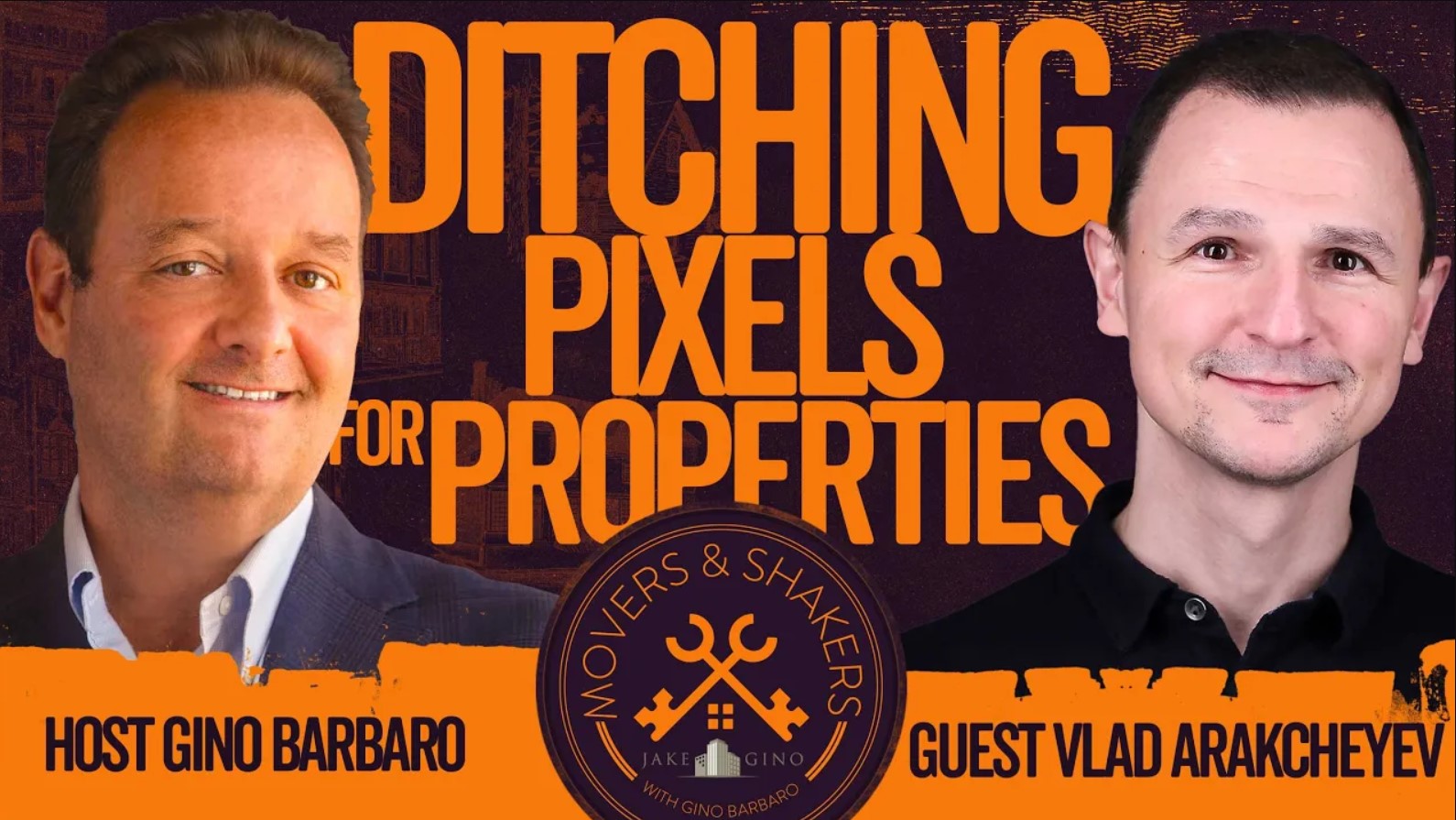
From Graphic Designer to Multifamily Investor: Vlad Arakcheyev’s Journey

This article tells the story of Vlad Arakcheyev, a young immigrant who overcame challenges to become a successful multifamily investor.

Early Life and Career Change

Vlad arrived in the United States from Russia at the age of 13. He settled into a comfortable graphic design career, but after losing his job due to COVID-19, he was forced to re-evaluate his life.

Entering Real Estate

Encouraged by his wife, Olga, Vlad became a real estate agent. While initially apprehensive, he quickly grasped the fundamentals and began exploring wholesaling and flipping properties. However, he soon realized he craved a bigger challenge and a more substantial income stream.

Discovering Multifamily Investing

A multifamily conference opened Vlad’s eyes to the world of multifamily investing. Inspired by the supportive community and the potential for large-scale wealth creation, he joined Jake and Gino, a mentorship program.

Breaking Through Limiting Beliefs

Vlad acknowledged the limiting beliefs that held him back, including the fear of failure and the comfort of his W-2 job. He emphasized the importance of personal development and surrounding oneself with positive influences.

Finding Success

Despite initial skepticism from his family, Vlad persevered. He adopted a proactive approach, such as cold-calling sellers in random cities, which led to his successful investment in Kansas City.

Key Takeaways

The article highlights several key takeaways for aspiring investors:

  • Embrace discomfort and be willing to step outside your comfort zone.
  • The power of education and mentorship in achieving success.
  • The importance of surrounding yourself with a supportive network.
  • Persistence and hard work are crucial for overcoming challenges.
  • Don’t be afraid to take calculated risks.

Conclusion

Vlad’s story is an inspiring example of overcoming obstacles and achieving financial freedom through multifamily investing. It emphasizes the importance of the right mindset, continuous learning, and a supportive community.

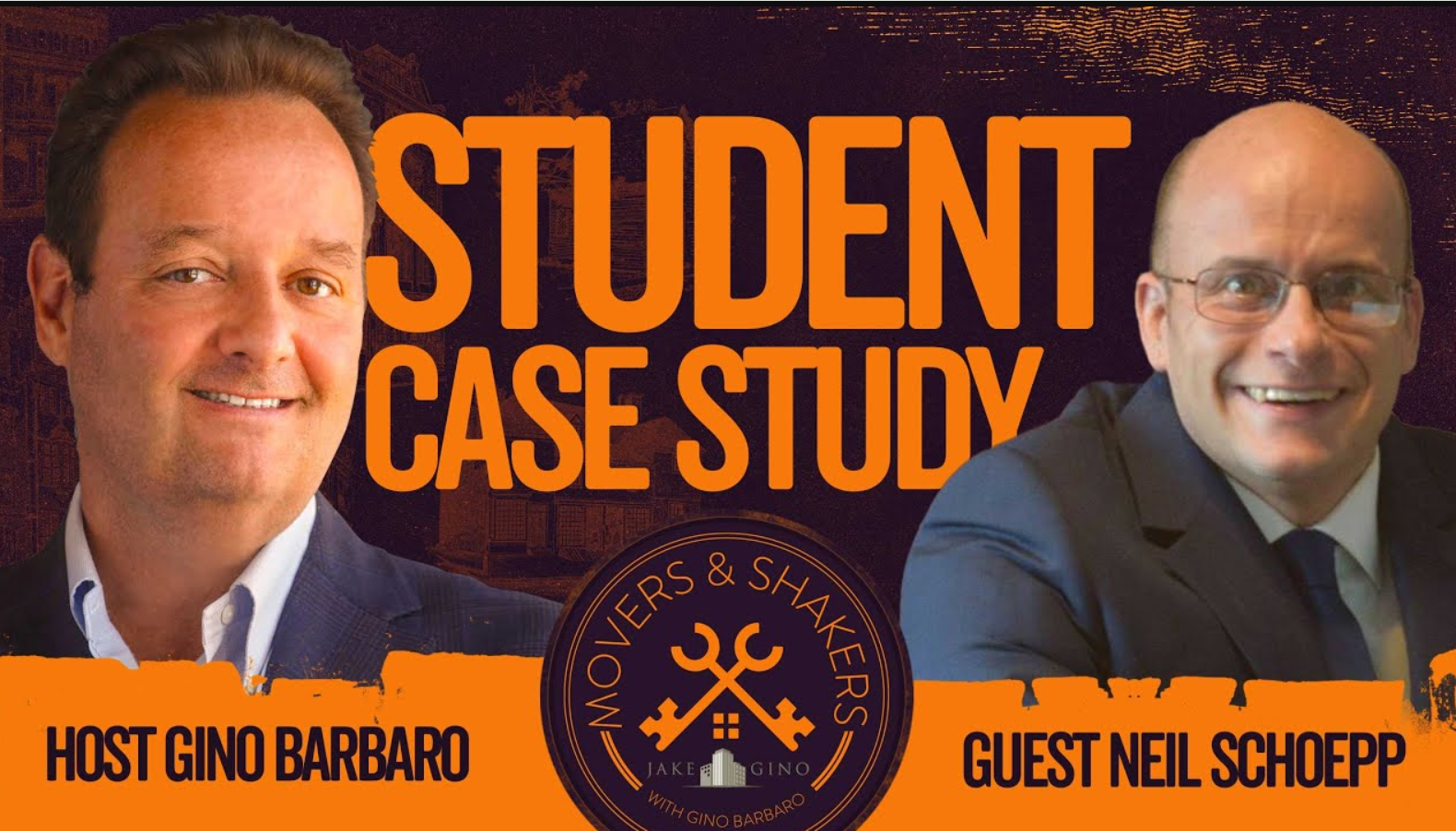
Multifamily Investor Student Case Study with Neil Schoepp

This episode of the Movers and Shakers podcast features Neil Schoepp, a former police officer, firefighter, and pizza guy who transformed himself into a successful multifamily investor and life coach. Gino Barbaro, the show’s co-host, narrates Neil’s journey and highlights key takeaways for listeners seeking similar growth.

Early Life and Career Shift:

  • Neil initially joined the police force for the salary and benefits, but the experience shaped him into someone who wanted to help people.
  • He transitioned to the fire department, serving for 14 years.
  • Leaving firefighting was a difficult decision, but Neil desired more control over his time and a career path focused on growth.

Skepticism and Self-Doubt:

  • When Neil first encountered Gino and the Jake and Gino community, he was hesitant. He questioned the legitimacy of multifamily investing and whether it was something he could achieve.
  • Despite initial skepticism, Neil joined the community, a decision Gino attributes to Neil’s willingness to be coachable and put himself out there.

Planting Seeds and Growth Mindset:

  • Gino emphasizes the importance of planting seeds and creating a supportive environment for growth. He highlights how Neil’s initial investment of $3,000 blossomed into a thriving career.
  • Neil acknowledges how Gino saw potential in him that he didn’t see in himself. He credits the community and mindset shift for his success.

Breaking Through Limiting Beliefs:

  • Neil reveals his past negative perception of business, viewing it as exploitative. This stemmed from his blue-collar background and limited exposure to positive business role models.
  • He advises his younger self to pursue a side business while maintaining the W-2 job’s stability and benefits.

Identity Shift and Taking Action:

  • Neil discusses how changing his self-image from “pizza guy” to “multifamily investor” was crucial. This shift motivated him to take action, such as contacting brokers and learning the ropes of the industry.
  • Gino highlights the power of identity and how acting “as if” can lead to becoming. Through consistent action, the desired identity becomes a reality.

The Importance of Community:

  • Neil emphasizes the invaluable support and positive reinforcement he received from the Jake and Gino community. Surrounding himself with like-minded individuals fueled his success.

Key Takeaways:

  • Our behaviors and beliefs are learned. We can choose to rewrite our limiting narratives and create a new path.
  • Money and wealth are not inherently bad. Our perception shapes our relationship with money.
  • Building a strong foundation in mindset through tools like the “Energy Leadership” book can significantly impact your life.
  • Journaling daily helps track progress, identify limiting beliefs, and celebrate wins. Surround yourself with a supportive community that fosters growth and accountability.
  • Identity shift is powerful. By acting “as if” you are already who you want to be, you can make that identity a reality.

This episode is a testament to the power of self-belief, community, and taking action. It encourages listeners to overcome limiting beliefs and pursue their dreams through mindset shifts and consistent effort.

Three Types of Capital Expenditures (CAPEX) in Multifamily

Capital expenditures, or capex, are a crucial aspect of multifamily real estate investing. Understanding how to allocate your capex budget effectively can significantly impact your property’s value, rental income, and overall success. This article explores the three main categories of capex and how to approach them strategically.

1. Value Creation CapEx

This category focuses on improvements that enhance the property’s overall value. These are not cosmetic upgrades but address foundational elements that make the property more desirable and functional in the long run. Examples include:

  • Roof repair or replacement
  • Repaving the driveway
  • Upgrading the HVAC system

While these investments may not directly increase your rental income, they make the property more attractive to potential tenants and buyers, ultimately leading to higher resale value.

2. Revenue Creation CapEx

This category targets improvements designed to raise rental income. These upgrades directly impact the units’ aesthetics and functionality, potentially justifying higher rent collection. Examples include:

  • Unit renovations (kitchens, bathrooms, flooring)
  • Adding amenities (fitness center, pool)

It’s important to consider the market cycle when allocating funds for revenue creation capex. In a seller’s market, these improvements can significantly boost rental income. However, in a buyer’s market, the return on investment might be lower.

3. Better-To-Do CapEx

This category encompasses essential maintenance and repairs that prevent future problems and ensure the property’s ongoing functionality. Neglecting these can lead to costly repairs down the line and potentially lose tenants due to inconveniences. Examples include:

  • Gutter cleaning and repairs
  • Wall maintenance and repairs
  • Plumbing maintenance and replacements

“Better-to-do” capex is essential regardless of the market cycle. Maintaining the property in good condition is crucial for tenant retention and avoids costly emergencies.

Strategic CapEx Allocation

By understanding these three categories and the current market cycle, you can make informed decisions about your capex budget. In a seller’s market, a balanced approach with all three categories might be ideal. In a buyer’s market, prioritize value creation and “better-to-do” capex, ensuring the property remains attractive and functional.

The Performance Paradox: How to Develop the Growth Mindset and Unleash Your Potential

Have you ever felt stuck in a rut? You work hard, you know your stuff, but progress feels frustratingly slow. This experience is common, but what if the answer lies not in working harder, but in working differently? Enter the concept of the Learning Zone, a powerful framework for growth that can be applied to any field, from mastering a new skill to excelling in your career.

The Growth Mindset Advantage

The foundation of the Learning Zone is the concept of a growth mindset. This belief system posits that our abilities are not fixed, but can be developed through effort and learning. People with a growth mindset are more likely to see challenges as opportunities, embrace feedback, and persist in the face of setbacks.

Stepping Out of the Performance Zone

We often spend our days in the Performance Zone, focused on tasks we already know how to do well. This is essential for getting things done, but it doesn’t lead to significant improvement. The Learning Zone, on the other hand, is a dedicated space for stepping outside our comfort zones and actively working to improve. It involves:

  • Deliberate Practice: This goes beyond simply repeating a task. It involves focused effort on specific areas for improvement, often with the guidance of a coach or mentor.
  • Seeking Feedback: Our perception of our performance isn’t always accurate. Feedback from trusted sources helps us identify areas for growth and adjust our approach.
  • Effective Strategies: Not all learning methods are created equal. Understanding what works best for a particular skill is crucial for efficient improvement.

Putting the Learning Zone into Action

So how can you leverage the Learning Zone in your own life? Here are some practical tips:

  • Identify Your Learning Goals: What skill do you want to develop? Be specific and measurable.
  • Embrace Feedback: Actively seek out feedback from mentors, colleagues, or even clients.
  • Find a Learning Buddy: Partnering with someone on a similar learning journey can provide support and motivation.
  • Break Down Challenges: Large goals can feel overwhelming. Chunk them down into smaller, more manageable steps.
  • Celebrate Progress: Focus on how far you’ve come, not just how far you have to go.

Learning Organizations: A Culture of Growth

The Learning Zone isn’t just for individuals. Organizations that foster a culture of continuous learning can reap significant benefits. Here’s how leaders can create a learning environment:

  • Lead by Example: Leaders who actively learn and experiment set the tone for the organization.
  • Provide Learning Opportunities: Offer workshops, coaching programs, and resources to help employees develop new skills.
  • Encourage Feedback Exchange: Create a safe space for open communication and constructive criticism.
  • Focus on Progress, Not Perfection: Recognize and reward effort and growth, not just achieving perfect results.

By embracing the Learning Zone, both individuals and organizations can unlock their full potential. Remember, the journey of improvement is never-ending, but with the right mindset and strategies, you can continuously learn, grow, and achieve your goals.

From Healing to Homes: How a Nurse Built a 158 Door Real Estate Empire

Zoe Nukem wasn’t your typical real estate mogul. She ditched the scrubs for a tool belt, transitioning from the fast-paced world of nursing into the steady, strategic game of multifamily real estate. But Zoe’s story isn’t just about career leaps; it’s about resilience, resourcefulness, and a deep desire to build a future on her own terms.

Why the Switch?

While Zoe thrived on helping others as a nurse, the long hours and unpredictable schedule made it difficult to envision a work-life balance. Financial freedom was another motivator. She, along with her husband Nick, craved the ability to control their time and create a legacy for their family.

Building a Foundation of Knowledge

Zoe and Nick weren’t naive about the challenges ahead. They knew transitioning to a whole new industry required education and guidance. They entered the world of real estate through the single-family flipping route, gaining valuable experience but recognizing a yearning for something bigger. Enter multifamily investing.

Finding the Right Partner (Besides Your Spouse)

One of Zoe’s biggest hurdles was overcoming self-doubt. The world of multifamily investing can seem intimidating, especially for someone new to the game. The solution? Mentorship and partnerships. Through targeted coaching programs, Zoe not only gained valuable knowledge but also found a network of experienced investors who became her partners in crime.

The Not-So-Perfect Deal: Lessons Learned

Zoe’s first multifamily deal wasn’t a walk in the park. They stumbled upon a 36-unit townhome complex that looked promising on paper but came with its fair share of challenges. Creative solutions like seller financing helped them secure the deal, but it also highlighted the importance of thorough due diligence and understanding market trends.

From Nurses to Investors: A Niche is Born

Zoe didn’t just learn the ropes of multifamily investing; she excelled at it. But her nursing background provided a unique advantage. She began targeting fellow nurses as potential investors, leveraging their understanding of financial security and the desire for alternative investment vehicles. Social media became her weapon of choice, allowing her to connect with nurses and educate them about the benefits of multifamily investing.

Beyond the Deal: Building a Legacy

Zoe’s story extends far beyond the number of units she owns. She’s become an inspiration for nurses and working professionals seeking alternative paths to financial freedom. Her emphasis on long-term value creation, responsible investing, and a commitment to her investors stands as a testament to her character and work ethic.

Zoe Nukem’s journey is a reminder that success in real estate isn’t just about numbers and deals. It’s about finding the right mentors, building strong partnerships, and leveraging your unique skills to carve your own path. So, if you’re looking for a story that goes beyond the typical rags-to-riches narrative in real estate, Zoe Nukem’s tale is a must-read.

Happy Money: Insights from Ken Honda on the Julia & Gino Show

Ken Honda, a best-selling author in Japan, recently joined us on the Julia & Gino Show to share his unique perspective on money and happiness from his book “Happy Money: The Japanese Art of Making Peace with Your Money.” He emphasized that true financial freedom isn’t just about accumulating wealth; it’s about developing a healthy relationship with money.

From Trauma to Transformation

Honda’s interest in money stemmed from a childhood experience. Witnessing his father’s best friend commit suicide due to bankruptcy left a lasting impression. Honda vowed to understand the power money has over people’s lives.

Early Retirement and Happy Memories

At the young age of 29, Honda decided to retire from his successful accounting business to focus on his newborn daughter. This time spent at home allowed him to develop his philosophy on money and happiness.

From Booklet to Bestseller

Honda’s initial money-themed essays, shared with friends, were so popular that he began printing them in booklet form. A fortuitous mistake led to a large surplus of booklets, which he distributed for free. The positive response fueled the publication of his first book, which has since sold millions of copies.

Why Do People Resonate with Honda’s Message?

Honda believes people are drawn to his message because it clears up the mystery surrounding money. He tackled common issues like scarcity mindset and limiting beliefs that hold people back from achieving financial peace, issues our listeners on the Julia & Gino Show constantly face.

The Scarcity Trap

Honda argued that an unequal distribution system, not a lack of money, creates feelings of scarcity. He emphasized the importance of letting go of money to allow it to flow freely back into your life, a concept we dove deep into on the show.

Breaking Free from Money Trauma

Many people carry emotional baggage from past experiences with money. Honda calls this “money trauma.” These negative experiences can hinder financial progress.

Different Money Personalities

Honda identifies different money personalities, such as savers, spenders, gamblers, and money makers. Understanding your own personality and that of your partner is crucial for navigating financial issues in relationships, something our listeners grapple with all the time.

The Importance of Open Communication

Open and honest communication is essential for couples to avoid conflict around money. Recognizing that different personalities may be attracted to each other’s financial habits can lead to greater understanding and compromise, as Ken pointed out on the show.

Don’t Let Money Define You

Chasing wealth for its own sake can lead to an empty life. Focus on your passions and purpose, and view money as a tool that allows you to live a fulfilling life, a sentiment Ken strongly shared with our Julia & Gino Show audience.

Live, Don’t Just Save

Life is finite. While saving is important, it’s also crucial to enjoy the fruits of your labor. Find a balance between saving and spending to live a life rich in experiences.

The Takeaway

Ken Honda’s perspective on money challenges traditional beliefs. By letting go of negative emotions and limiting beliefs, and focusing on building a healthy relationship with money, you can achieve true financial happiness and freedom. We at the Julia & Gino Show want to thank Ken for sharing his valuable insights with our listeners. They are sure to leave a lasting impact!