

What Questions Does a Limited Partner Need To Ask A General Partner

The world of real estate investing can be alluring, promising lucrative returns and a chance to build wealth. But for many, navigating this complex landscape can be daunting. This is especially true for Limited Partners (LPs), who contribute capital to ventures managed by General Partners (GPs). While GPs hold the expertise, LPs have a crucial role to play: asking the right questions to ensure a wise investment.

Understanding the Limited Partner Role

Limited partners are passive investors. They contribute capital to a real estate project but don’t actively participate in its day-to-day management. This role comes with the benefit of less responsibility, but it also necessitates a strong reliance on the General Partner’s expertise and decision-making.

The Power of Questions for LPs

To make informed investment decisions and protect their capital, LPs must actively engage with the General Partner. Asking the right questions allows them to assess the viability of a potential deal and fosters a more transparent investment process.

Key Questions for LPs to Ask GPs

Before committing to a real estate investment, LPs should ask the GP a series of critical questions:

  • Financial Performance: This is a foundational area of inquiry. LPs should request historical financial data, specifically the trailing twelve months (T-12s), alongside rent rolls. Analyzing these documents allows LPs to compare past performance with the GP’s projections and identify any discrepancies.

  • Market Analysis: A sound understanding of the local market is vital. LPs should inquire about the GP’s methodology for determining market rent. Going beyond the GP’s claims, LPs can conduct independent research on similar properties using online resources like apartments.com to verify rent comparables. Additionally, understanding the property’s current occupancy rate (both physical and economic) and the GP’s plan to achieve optimal levels is crucial.

  • Operating Expenses (Opex): Underestimating operating expenses can significantly impact profitability. LPs should request a detailed breakdown of all Opex categories. Furthermore, comparing these costs with the market average helps LPs assess the GP’s budgeting accuracy.

  • Debt Service: The way a project is financed has a major bearing on its success. LPs should inquire about the debt structure, specifically whether it’s fixed-rate or variable-rate financing, and the loan term. Understanding these aspects helps LPs grasp potential risks and time constraints. The article emphasizes the importance of long-term debt financing over short-term bridge loans, which can create undue pressure during project execution.

Benefits of Asking Questions

By actively engaging with the GP through questions, LPs reap several benefits:

  • Informed Investment Decisions: A thorough evaluation through questioning empowers LPs to make well-informed choices about their investments.
  • Improved Risk Management: Asking questions allows LPs to identify and mitigate potential risks associated with the investment.
  • Stronger Relationships: Open communication fosters trust and a more collaborative relationship between LPs and GPs.

Conclusion

The real estate market offers exciting investment opportunities. By taking an active role and asking insightful questions, Limited Partners can navigate this landscape with confidence. This empowers them to make sound investment decisions and build wealth alongside experienced General Partners. Remember, in the world of real estate investing, knowledge is indeed power, and for LPs, the key to unlocking that power lies in asking the right questions.

The Art of Influence: How Stories Shape Decisions in Business

In the ever-competitive world of business, the ability to influence is a superpower. It’s the art of guiding people towards actions that benefit both them and your goals. But influence isn’t about manipulation or coercion. It’s about understanding how people think and leveraging that knowledge to create positive change.

This article dives into the power of influence and storytelling, exploring how they can be harnessed to achieve success in business endeavors.

Beyond Logic: The Emotional Core of Decision-Making

While facts and figures hold weight, human decisions are often driven by emotions and narratives. Take, for instance, the age-old debate of logic versus emotion. Imagine you’re presented with two investment opportunities. One boasts a statistically sound return on investment, laid out in a dry, data-heavy presentation. The other tells the story of a passionate entrepreneur creating a product that will revolutionize an industry. While the statistics might seem compelling, the emotional connection formed through the story can be a powerful motivator.

This is where storytelling comes in. Stories have the unique ability to tap into our emotions, creating empathy, trust, and connection. By weaving a compelling narrative, you can paint a picture of the future – a future where your product or service solves a problem, fulfills a need, or creates a desired outcome for your audience.

The Science Behind the Story

Neuroscience backs the power of storytelling. When we listen to stories, our brains become active participants. We imagine ourselves in the narrative, experiencing the emotions of the characters. This creates a sense of shared experience, fostering a connection with the storyteller and their message.

Studies have shown that stories can trigger the release of dopamine, a neurotransmitter associated with pleasure and reward. This positive reinforcement makes us more receptive to the information being presented. Stories can also bypass our critical thinking filters, allowing the message to resonate on a deeper level.

The Right Tool for the Job: Choosing Your Influence Strategy

While storytelling is a powerful tool, it’s not a one-size-fits-all solution. The most effective influence strategy depends on the specific situation and audience. Consider these factors when choosing your approach:

  • The Context: Are you in a high-pressure environment like a budget meeting? Here, facts and figures might take precedence. However, if you’re pitching to investors, a compelling story about your company’s vision can be instrumental.
  • The Audience: Who are you trying to influence? Understanding their needs, values, and decision-making processes will help tailor your message.

Remember: Your influence toolbox holds a variety of tools beyond storytelling. Framing, statistics, metaphors, and even props can all be effective depending on the situation.

Putting Influence into Action: The Art of the Elevator Pitch

Let’s look at a practical example: the elevator pitch. This concise presentation, designed to capture attention in a short timeframe, is a prime opportunity to leverage influence.

Here’s how storytelling can elevate your elevator pitch:

  • Start with a relatable problem: Identify a challenge your target audience faces and use it as the opening hook.
  • Introduce your solution: Explain how your product or service addresses that problem in a clear and concise way.
  • Weave in a story snippet: Share a brief anecdote that showcases the positive impact of your solution. This could be a customer success story or a personal experience that highlights the value you offer.
  • End with a call to action: Clearly state your desired outcome, whether it’s a follow-up meeting or an invitation to learn more.

By incorporating storytelling and understanding the power of influence, you can craft an elevator pitch that resonates with your audience and leaves a lasting impression.

Influence for Good: Building Trust and Transparency

In the business world, trust is paramount. By using influence ethically and transparently, you can build stronger relationships with clients, partners, and investors.

Here are some key principles to remember:

  • Focus on win-win scenarios: Influence should benefit everyone involved.
  • Be upfront and honest: Don’t resort to manipulation or misleading information.
  • Empower informed decisions: Provide all the necessary details to allow people to make well-informed choices.

By fostering trust and transparency, you create a foundation for long-term success built on genuine connections and positive outcomes.

In Conclusion

Influence is a powerful tool that can be used to shape decisions, drive positive change, and achieve success in business. By understanding the emotional core of decision-making and the power of storytelling, you can craft compelling narratives that connect with your audience and influence their actions. Remember, influence is most effective when used ethically and transparently, building trust and fostering long-term relationships. So, hone your storytelling

How to Save Money on Taxes as a Business Owner

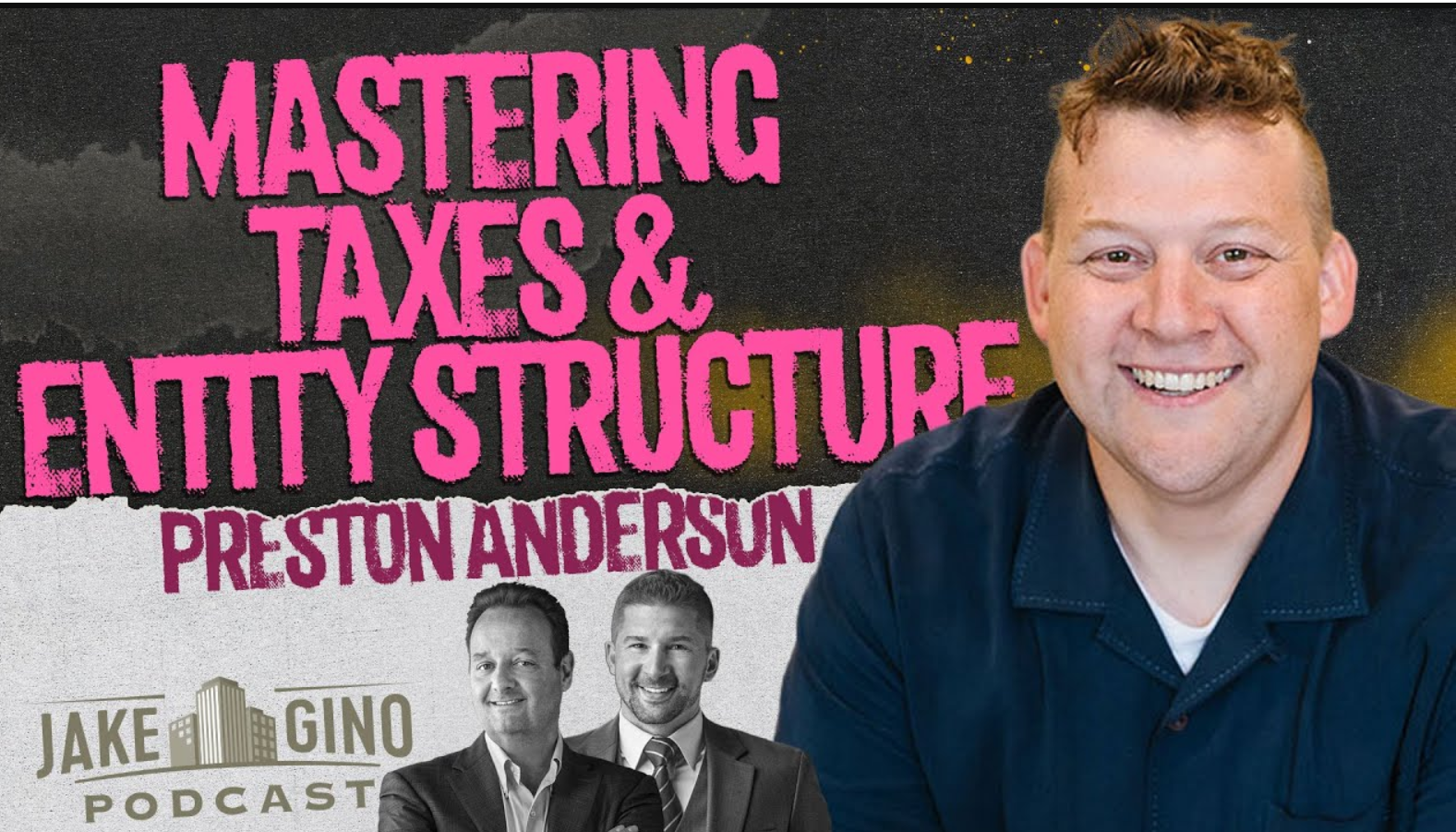
Taxes are a major expense for any business owner. But there are ways to reduce your tax burden and keep more of your hard-earned money. In this article, we’ll discuss some of the strategies that Preston Anderson, a CPA, uses to help his clients save money on taxes.

Entity Structure

The way you structure your business can have a big impact on your taxes. Preston recommends that business owners carefully consider their entity structure. Here are some options to consider:

  • Sole Proprietorship: This is the simplest business structure, but it also offers the least liability protection. The business owner is personally liable for all business debts and obligations.
  • Limited Liability Company (LLC): LLCs offer personal liability protection for the business owner. This means that your personal assets are protected from business debts. LLCs can also be taxed as pass-through entities, which means that the business itself does not pay taxes. The profits and losses of the business pass through to the owner’s personal tax return.
  • S Corporation: S corporations can offer some tax advantages over LLCs. For example, S corporations can pay owners a reasonable salary, which can help to reduce payroll taxes. However, S corporations are subject to more complex regulations than LLCs.

Hiring Family Members

If you have children who are old enough to work, you can hire them to help with your business. This can be a great way to save money on taxes. You can pay your children up to a certain amount per year without having to withhold any taxes. The exact amount you can pay your children will depend on their age and the type of work they are doing.

Retirement Plans

One of the best ways to save money on taxes is to contribute to a retirement plan. There are a variety of retirement plans available for business owners, including SEP IRAs, SIMPLE IRAs, and solo 401(k)s. Contributions to these plans are tax-deductible, and the earnings on the money in the plan grow tax-free until you withdraw it in retirement.

Record Keeping

It’s important to keep good records of your business income and expenses. This will help you to ensure that you are taking advantage of all the tax deductions and credits that you are entitled to. It will also make it easier to file your tax return and avoid any potential audits.

Tax Mistakes to Avoid

  • Not Filing Your Taxes: This is the biggest mistake you can make. Even if you think you owe taxes, you should still file your return. The IRS will penalize you for not filing, and the penalties can be significant.
  • Filing on Schedule C: If you are a business owner, you should not file your business income and expenses on Schedule C of your personal tax return. Schedule C is for sole proprietors who have no employees. If you have employees, you should file Form 1120 (for C corporations) or Form 1120S (for S corporations).

By following these tips, you can save money on taxes and keep more of your profits. However, it’s important to note that this article is for informational purposes only and should not be considered tax advice. You should always consult with a tax professional to discuss your specific tax situation.

From Development to Capital Raiser: Bernard Pearson’s Journey in Multifamily Real Estate

Bernard Pearson’s path to success in multifamily real estate wasn’t a straight shot. He began his career in development, but the slow pace and bureaucratic hurdles of doing business in Latin America left him yearning for a more dynamic environment. In 2021, he turned to Jake and Gino, a real estate education platform, seeking the support, knowledge, and accountability he needed to thrive in the multifamily space.

Pearson’s fluency in Spanish and his firsthand experience with the challenges faced by Latin American investors proved to be a golden asset. He discovered his niche in capital raising, connecting with small family offices, investment funds, and developers seeking entry into the US market. These investors, many of whom shared his cultural background, resonated with Pearson’s approach and trusted his understanding of their needs.

A key element of Pearson’s strategy is his focus on newer assets. By prioritizing recently constructed properties, he minimizes the risk of encountering unexpected capital expenditures (capex) down the line. This not only protects his investments but also provides peace of mind for his investors.

Key Takeaways:

  • Find your niche: Identify your strengths and use them to differentiate yourself in the market. Pearson’s fluency in Spanish and understanding of Latin American investors helped him build a unique value proposition.
  • Relationships are key: Building strong relationships with investors and industry professionals is crucial for deal flow and attracting capital.
  • Education is continuous: Stay informed about market trends and best practices through ongoing education and networking.
  • Take action, don’t wait: Don’t be afraid to get started. Actively source deals, underwrite properties to sharpen your skills, and make offers with confidence.

For aspiring multifamily investors, Pearson offers valuable advice. He emphasizes the importance of defining clear criteria, including the target market and property type. Underwriting deals is another crucial step, as it hones negotiation skills and fosters a deep understanding of the market. Don’t be afraid to get your hands dirty, he advises. Utilize platforms like LoopNet and Crexi to source deals, and don’t hesitate to make offers, even if they fall below the asking price.

Bernard Pearson’s story is an inspiration for anyone looking to carve out their own space in the multifamily real estate world. It highlights the power of identifying your strengths, building strong relationships, and continuously learning. By taking calculated risks and staying proactive, you can turn your real estate ambitions into a reality.

From Engineer to Mindset Coach: Vamsi Polimetla Makes More Leaders

Vamsi Polimetla, founder and CEO of Make More Leaders, isn’t your typical executive coach. In a recent interview on the Jake and Gino podcast,  delved into his journey from unfulfilled engineer to purpose-driven coach, emphasizing the power of gratitude, personal growth, and strong relationships.

A Shift in Perspective

Born in India, Vamsi  arrived in the US with ambitious dreams. Despite academic challenges, he carved a successful 20-year career in computer science. Yet, a yearning for personal fulfillment gnawed at him. This yearning sparked a continuous investment in personal development, fueled by mentors like Dan Sullivan and Benjamin Hardy. Vamsi  embraced a “gain mentality,” focusing on appreciating his existing blessings rather than chasing what he lacked.

The Power of Gratitude

The conversation delved deeply into the concept of gratitude. Vamsi  suggests cultivating appreciation by contrasting your current situation with your past. He shared a poignant experience visiting a slum in Mumbai, a stark reminder that true happiness doesn’t always reside in material possessions. Interestingly, the concept of connection emerged as a key factor in fostering gratitude. Vamsi  highlighted the positive shift in his perspective after connecting with the podcast hosts just before recording.

This theme resonated with Gino, who recounted his own experience in Aruba. Witnessing a simpler lifestyle sparked feelings of gratitude for the opportunities he enjoyed back in the US. Vamsi  further emphasized this point by recalling a visit to a wealthy area in South Florida, followed by a visit to a Mumbai slum. He observed that true happiness might not be tied to material wealth but to a sense of contentment and connection.

Relationships Over Riches

Vamsi ‘s core message is clear: striving for relationships and connections is more rewarding than chasing a high bank account. These connections ultimately contribute to creating wealth and a fulfilling life. He opened up about his decision to leave the corporate world, where he witnessed a lack of joy among executives. Inspired by Tony Robbins’ infectious energy during the “Unleash the Power Within” event, Vamsi  felt a calling to pursue a different path, a path dedicated to helping others find fulfillment.

Facing Challenges and Finding Support

Leaving a stable job with benefits wasn’t easy. Cultural pressures within his Indian family favored traditional career paths. Vamsi  strategically tested the waters by starting his coaching business part-time before taking the leap. However, just before his planned departure, his wife received a cancer diagnosis. Despite this setback, they remained determined. Vamsi  took a leave of absence to support his wife and ultimately resigned to pursue his coaching career full-time.

Overcoming Objections

Vamsi ‘s decision wasn’t met with universal support. His parents and former colleagues questioned his stability, highlighting the loss of his health insurance. However, his wife’s unwavering encouragement fueled his confidence. Vamsi  emphasizes the power of spousal support, a sentiment echoed by many successful entrepreneurs.

Finding Clarity and Building a Business

Vamsi  credits his mentors and personal development journey for helping him gain clarity about his goals. He highlights the importance of taking that first step to gain perspective. Building a successful coaching business wasn’t a linear path. Initially, Vamsi  offered a broad range of services, but with the help of mentors like Taki Moore, he honed his focus and expanded to group coaching.

The Value of Mentorship

The influence of mentors like Tony Robbins, Lou House, and Brandon Burchard is undeniable in Vamsi ‘s success story. He met Brandon at a Tony Robbins event, and together they co-founded Master Talk, a communication training company. This partnership underscores the importance of communication skills, a skill Vamsi  actively developed after a disastrous presentation early in his career.

The Takeaway

Vamsi  Paul’s story offers valuable insights for anyone seeking a more fulfilling life. By prioritizing personal growth, cultivating gratitude, and building strong relationships, we can unlock our potential and achieve our goals. Vamsi ‘s journey is a testament to the power of taking action, embracing challenges, and investing in ourselves and those around us.


Cracking the Code to Capital Raising: A Review of Sal Buscemi’s “Calling the Capital: 20 Ways to Incorporate Urgency Into Your Capital Raise”

In the ever-evolving world of real estate, raising capital can be a significant hurdle for aspiring investors. Sal Buscemi, a seasoned investment banker with over $300 million raised for real estate deals, offers a comprehensive roadmap in his book “Calling the Capital: 20 Ways to Incorporate Urgency Into Your Capital Raise .” This book review dives into the key takeaways and practical strategies outlined by Buscemi to help you unlock the potential of self-directed IRAs and navigate the world of raising capital for real estate ventures.

We had the honor and privilege of interviewing Sal on the Jake & Gino show, and his depth of knowledge and experience was refreshing and inspiring! Here are several key takeaways from Sal’s book.

Key Steps to Capital Raising:

Buscemi presents a structured approach, dubbed “The Roach Motel Concept,” to attract and secure investor capital. This six-step blueprint emphasizes:

  1. Micro Commitments: Securing initial, smaller commitments from potential investors builds trust and momentum before diving into larger sums.
  2. Self-Directed IRAs: Leveraging the power of self-directed IRAs allows investors to invest in real estate using their retirement funds, offering tax advantages and flexibility.
  3. Compelling Communication: Crafting a clear and engaging video and tear sheet presentation effectively communicates the deal’s potential and attracts investor interest.
  4. Tranche the Deal: Dividing the investment into smaller tranches allows for phased fundraising, enabling you to raise capital as needed throughout the project.
  5. Persistent Follow-Up: Regular phone calls and texts demonstrate your dedication and keep investors informed, fostering trust and commitment.
  6. Gratitude is Key: Expressing sincere appreciation to investors after the deal closes strengthens relationships and lays the foundation for future collaborations. 

Beyond the Blueprint:

The book delves deeper, providing valuable insights into:

  • Investor Identification: Strategies for finding and connecting with potential investors who align with your investment goals.
  • Negotiation Tips: Practical advice on navigating negotiations with investors to secure mutually beneficial terms.
  • Closing the Deal: Essential steps and considerations to ensure a smooth and successful closing process. 

Takeaways for Real Estate Investors:

“Calling the Capital: 20 Ways to Incorporate Urgency Into Your Capital Raise ” offers a wealth of practical knowledge for anyone seeking to raise capital for real estate investments. The book’s key takeaways highlight the importance of:

  • Utilizing self-directed IRAs as a powerful tool for attracting investment.
  • Securing initial micro commitments to build trust and momentum.
  • Crafting a compelling narrative to showcase your deal’s potential.
  • Implementing a phased fundraising approach through tranching.
  • Maintaining persistent communication and follow-up with investors.
  • Expressing genuine gratitude to your investors for their trust and support. 

Conclusion:

“Calling the Capital: 20 Ways to Incorporate Urgency Into Your Capital Raise ” serves as a valuable resource for real estate investors seeking to unlock the door to capital. By incorporating Buscemi’s structured approach and practical insights, you can navigate the fundraising landscape with confidence and increase your chances of success in your real estate ventures.

Whether you’re raising money for your first deal, or partnering with savvy investors, Sal’s book is an invaluable resource to securing the capital needed to close the deal.

To learn more about Sal, visit Brahmin Partners & Salvatore Buscemi

To buy Sal’s Book, click HERE!


How To Deploy Baby Money Soldiers To Become Financially Free

Deploying Your “Baby Money Soldiers” for Financial Freedom: Key Takeaways from Gino Barbaro

This article explores the concept of “Baby Money Soldiers” introduced by Gino Barbaro, co-founder of Jake and Gino, to achieve financial freedom. Here are the key takeaways from his YouTube video:

Baby Money Soldiers: A Mindset Shift

  • Every dollar you earn is a “Baby Money Soldier,” a crucial unit in your financial army.
  • Don’t “kill” your soldiers early by spending them all on luxuries.
  • The goal is to train and multiply your soldiers through saving and investing.

How to Deploy Your Baby Money Soldiers:

  1. Track Expenses and Prioritize Savings:

    • Understand how your money flows by tracking expenses.
    • Prioritize saving a portion of your income (Barbaro suggests starting small, even 1%).
    • Allocate your income strategically (consider a 50/10/10/10/10 split for necessities, luxuries, charity, education, and savings).
  2. Invest for Growth:

    • Invest your saved money in assets that generate income or appreciate in value (stocks, real estate, etc.).
    • This allows your “soldiers” to procreate and grow your wealth over time.
  3. Utilize Savings Wisely:

    • Maintain a reserve of savings for emergencies or unexpected opportunities.
    • Consider using a portion of savings for future goals like college or retirement.
  4. Embrace Calculated Debt (Optional):

    • Debt can be a tool if used strategically (e.g., mortgages for investment properties).
    • Remember, debt is like “money mercenaries” you have to pay for their service (interest).
  5. Protect Your Soldiers:

    • Utilize insurance (home, life, etc.) to safeguard your financial well-being in case of unforeseen events.
  6. Invest in Yourself:

    • Allocate some resources towards education and skill development. This can enhance your earning potential in the future.
  7. Give Back:

    • Consider using a portion of your “soldiers” for charitable causes that resonate with you.
  8. Plan for Legacy:

    • Utilize some savings for estate planning to ensure your wealth benefits future generations.

Remember:

  • Financial freedom is a journey, not a destination.
  • Start small, be consistent, and let your “Baby Money Soldiers” work their magic over time.
  • Tune in to the next episode where Gino Barbaro dives deeper into the mindsets of poor, middle-class, and wealthy individuals regarding money management.

Take Action:

  • Track your income and expenses for a month to understand your spending habits.
  • Create a budget that prioritizes saving and allocates funds for different needs.
  • Explore investment options based on your risk tolerance and financial goals.

By adopting the “Baby Money Soldier” mentality and implementing these strategies, you can take control of your finances and empower yourself on the path to financial freedom.

Money Rules For Financial Freedom

This article outlines financial rules, presented by Gino Barbaro, to help you achieve financial freedom, using the concept of “Baby Money Soldiers.”

1. Take Control of Your Money:

  • Barbaro emphasizes the importance of creating a plan (spending plan) for your finances.
  • Track your income and expenses to understand your spending habits.

2. Save Money Regularly:

  • Develop a savings mindset. Start small, even with 1%, and gradually increase your savings rate.
  • Barbaro recommends saving 10% of your income towards a “Financial Freedom Account” meant for investments in assets.

3. Allocate Your Money Wisely:

  • Here’s a suggested breakdown of your income allocation:
    • 50% for Necessities (rent, food, etc.)
    • 10% for Luxuries (entertainment, vacations)
    • 10% for Charity (giving back)
    • 10% for Education (investing in your knowledge and skills)

4. Invest in Assets:

  • Invest your savings in assets that generate income or appreciate in value, building long-term wealth.

5. Pay Yourself First:

  • Increase your income and keep your living expenses the same. Allocate the extra income towards your Financial Freedom Account.

Remember:

  • These are flexible guidelines. Adjust the percentages based on your circumstances.
  • Start small and be consistent. Gradually increase your savings rate as your income grows.

Take Action:

  • Visit JakeandGino.com for more resources on financial freedom and the Baby Money Soldiers concept.

Let’s Discuss:

  • What are your thoughts on Gino Barbaro’s approach?
  • Can you save 1% of your income? How can you get started?

The Difference Between The Poor, MIddle Class & Wealthy Mindset

The Three Financial Mindsets: Stepping Up Your Financial Game

Financial freedom – the ability to live comfortably without relying on a traditional job – is a dream for many. But achieving it requires a specific mindset, a way of thinking about and managing your money. This article explores the three main financial mindsets: poor, middle class, and wealthy, and how they impact your financial journey.

The Poor Mindset:

People with a poor mindset often struggle to make ends meet. They might live paycheck to paycheck, prioritizing immediate needs over long-term planning. Here are some characteristics:

  • Focus on transactions: Income is seen solely for immediate needs, with little to no thought about saving or investing.
  • Instant gratification: There’s a tendency to spend money as soon as it’s earned, with little regard for future goals.
  • Debt dependence: Debt is seen as a solution to cover expenses, creating a cycle of high-interest payments.

The Middle-Class Mindset:

The middle class often prioritizes stability and security. They might save for retirement or emergencies, but their focus is often on earning a steady income. Here are some characteristics:

  • Savings focus: Saving for specific events like retirement or college is prioritized.
  • Traditional investments: Investments like mutual funds or stocks are used, but may not be strategically focused on generating passive income.
  • Limited risk-taking: Aversion to risk can lead to missing out on potentially high-growth investment opportunities.

The Wealthy Mindset:

The wealthy mindset focuses on building wealth and achieving financial freedom. Here are some characteristics:

  • Long-term vision: Wealth is built over time through strategic planning and goal setting.
  • Passive income focus: Investments are chosen to generate income that requires minimal ongoing effort. This could include real estate, dividend-paying stocks, or businesses with established systems.
  • Calculated risks: Calculated risks are taken to pursue opportunities for high growth, while also considering strategies to mitigate potential losses.
  • Continuous learning: Wealthy individuals actively seek knowledge and education to improve their financial literacy and decision-making.
  • Relationships: Building strong relationships with mentors and other successful individuals can provide valuable insights and opportunities.

Shifting Your Mindset

The good news is that your financial mindset is not set in stone. By adopting some of the characteristics of the wealthy mindset, you can take control of your finances and move towards your financial goals. Here are some tips:

  • Set clear financial goals: Knowing what you’re working towards will help you make informed financial decisions.
  • Develop a budget: Track your income and expenses to identify areas where you can save.
  • Prioritize saving and investing: Make saving a habit and invest your savings to grow your wealth over time.
  • Educate yourself: Learn about different investment options and strategies to make informed decisions.
  • Seek guidance: Consider working with a financial advisor to develop a personalized financial plan.

Remember, financial freedom is a journey, not a destination. By adopting the right mindset and taking consistent action, you can build a secure financial future and achieve your financial goals.

Debunking Money Myths: The Path to Financial Freedom with “Baby Money Soldiers”

This article dismantles common myths surrounding wealth creation, using the “Baby Money Soldiers” concept developed by Gino Barbaro, co-founder of Jake and Gino.

Myth #1: More Income Equals Financial Freedom

Barbaro argues that a high income doesn’t guarantee financial freedom. Lifestyle inflation can eat away at your gains. The key is to save and invest a portion of your income, regardless of the amount.

Myth #2: Investing is Risky

While some risks exist, Barbaro suggests the greater risk lies in relying solely on a W-2 job or a small business with limited income streams. He emphasizes learning about investing before venturing in.

Myth #3: All Debt is Bad

Barbaro differentiates between “bad debt” (personal debt like credit cards) and “good debt” (business debt used strategically to generate income). Leveraging debt effectively can accelerate wealth creation.

Myth #4: You Need a Lot of Money to Start Investing

Barbaro encourages starting small. Invest whatever you can afford, even if it’s just a few shares of stock. Consistency and strategic reinvestment are key to growing your wealth over time.

Myth #5: Estate Planning is Only for the Rich

Barbaro emphasizes the importance of having an estate plan, regardless of wealth. A will and power of attorney can ensure your assets go to your intended beneficiaries and avoid legal issues.

Myth #6: You Deserve Luxuries Now

Barbaro advocates for delayed gratification. Focus on “producing” value and building wealth through investments. Luxuries can come later, funded by the income your investments generate.

Breaking Free from the Myths

Barbaro believes these myths are perpetuated by those who benefit from a financially dependent population. He challenges viewers to re-evaluate their beliefs and take action towards financial freedom.

Call to Action:

  • Visit JakeandGino.com for webinars on multifamily investing.
  • Email [email address removed] for a free PDF copy of “Wheelbarrow Profits.”
  • Share your personal money myths in the comments below.

By challenging limiting beliefs and adopting the “Baby Money Soldier” approach, you can pave the way for a financially secure future.