
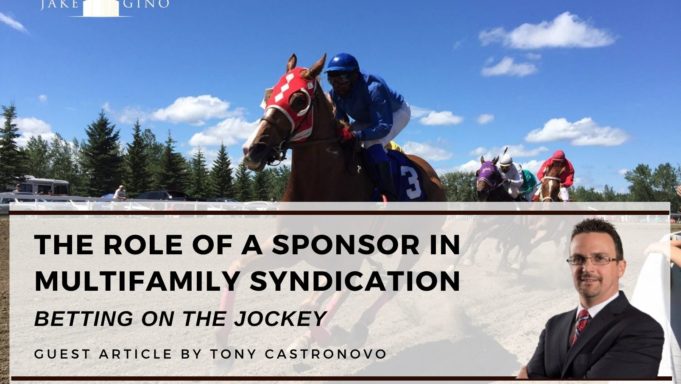
The Role of a Sponsor in Multifamily Syndication

[et_pb_section bb_built=”1″ _builder_version=”4.20.2″ background_pattern_color=”rgba(0,0,0,0.2)” background_mask_color=”#ffffff” box_shadow_horizontal_tablet=”0px” box_shadow_vertical_tablet=”0px” box_shadow_blur_tablet=”40px” box_shadow_spread_tablet=”0px” module_class=”intro” vertical_offset_tablet=”0″ horizontal_offset_tablet=”0″][et_pb_row _builder_version=”4.20.2″ background_pattern_color=”rgba(0,0,0,0.2)” background_mask_color=”#ffffff” box_shadow_horizontal_tablet=”0px” box_shadow_vertical_tablet=”0px” box_shadow_blur_tablet=”40px” box_shadow_spread_tablet=”0px” module_class=”row-1 container” vertical_offset_tablet=”0″ horizontal_offset_tablet=”0″ z_index_tablet=”0″][et_pb_column type=”4_4″ custom_padding__hover=”|||” custom_padding=”|||”][et_pb_text _builder_version=”4.20.2″ background_pattern_color=”rgba(0,0,0,0.2)” background_mask_color=”#ffffff” text_text_shadow_horizontal_length=”text_text_shadow_style,%91object Object%93″ text_text_shadow_horizontal_length_tablet=”0px” text_text_shadow_vertical_length=”text_text_shadow_style,%91object Object%93″ text_text_shadow_vertical_length_tablet=”0px” text_text_shadow_blur_strength=”text_text_shadow_style,%91object Object%93″ text_text_shadow_blur_strength_tablet=”1px” link_text_shadow_horizontal_length=”link_text_shadow_style,%91object Object%93″ link_text_shadow_horizontal_length_tablet=”0px” link_text_shadow_vertical_length=”link_text_shadow_style,%91object Object%93″ link_text_shadow_vertical_length_tablet=”0px” link_text_shadow_blur_strength=”link_text_shadow_style,%91object Object%93″ link_text_shadow_blur_strength_tablet=”1px” ul_text_shadow_horizontal_length=”ul_text_shadow_style,%91object Object%93″ ul_text_shadow_horizontal_length_tablet=”0px” ul_text_shadow_vertical_length=”ul_text_shadow_style,%91object Object%93″ ul_text_shadow_vertical_length_tablet=”0px” ul_text_shadow_blur_strength=”ul_text_shadow_style,%91object Object%93″ ul_text_shadow_blur_strength_tablet=”1px” ol_text_shadow_horizontal_length=”ol_text_shadow_style,%91object Object%93″ ol_text_shadow_horizontal_length_tablet=”0px” ol_text_shadow_vertical_length=”ol_text_shadow_style,%91object Object%93″ ol_text_shadow_vertical_length_tablet=”0px” ol_text_shadow_blur_strength=”ol_text_shadow_style,%91object Object%93″ ol_text_shadow_blur_strength_tablet=”1px” quote_text_shadow_horizontal_length=”quote_text_shadow_style,%91object Object%93″ quote_text_shadow_horizontal_length_tablet=”0px” quote_text_shadow_vertical_length=”quote_text_shadow_style,%91object Object%93″ quote_text_shadow_vertical_length_tablet=”0px” quote_text_shadow_blur_strength=”quote_text_shadow_style,%91object Object%93″ quote_text_shadow_blur_strength_tablet=”1px” header_text_shadow_horizontal_length=”header_text_shadow_style,%91object Object%93″ header_text_shadow_horizontal_length_tablet=”0px” header_text_shadow_vertical_length=”header_text_shadow_style,%91object Object%93″ header_text_shadow_vertical_length_tablet=”0px” header_text_shadow_blur_strength=”header_text_shadow_style,%91object Object%93″ header_text_shadow_blur_strength_tablet=”1px” header_2_text_shadow_horizontal_length=”header_2_text_shadow_style,%91object Object%93″ header_2_text_shadow_horizontal_length_tablet=”0px” header_2_text_shadow_vertical_length=”header_2_text_shadow_style,%91object Object%93″ header_2_text_shadow_vertical_length_tablet=”0px” header_2_text_shadow_blur_strength=”header_2_text_shadow_style,%91object Object%93″ header_2_text_shadow_blur_strength_tablet=”1px” header_3_text_shadow_horizontal_length=”header_3_text_shadow_style,%91object Object%93″ header_3_text_shadow_horizontal_length_tablet=”0px” header_3_text_shadow_vertical_length=”header_3_text_shadow_style,%91object Object%93″ header_3_text_shadow_vertical_length_tablet=”0px” header_3_text_shadow_blur_strength=”header_3_text_shadow_style,%91object Object%93″ header_3_text_shadow_blur_strength_tablet=”1px” header_4_text_shadow_horizontal_length=”header_4_text_shadow_style,%91object Object%93″ header_4_text_shadow_horizontal_length_tablet=”0px” header_4_text_shadow_vertical_length=”header_4_text_shadow_style,%91object Object%93″ header_4_text_shadow_vertical_length_tablet=”0px” header_4_text_shadow_blur_strength=”header_4_text_shadow_style,%91object Object%93″ header_4_text_shadow_blur_strength_tablet=”1px” header_5_text_shadow_horizontal_length=”header_5_text_shadow_style,%91object Object%93″ header_5_text_shadow_horizontal_length_tablet=”0px” header_5_text_shadow_vertical_length=”header_5_text_shadow_style,%91object Object%93″ header_5_text_shadow_vertical_length_tablet=”0px” header_5_text_shadow_blur_strength=”header_5_text_shadow_style,%91object Object%93″ header_5_text_shadow_blur_strength_tablet=”1px” header_6_text_shadow_horizontal_length=”header_6_text_shadow_style,%91object Object%93″ header_6_text_shadow_horizontal_length_tablet=”0px” header_6_text_shadow_vertical_length=”header_6_text_shadow_style,%91object Object%93″ header_6_text_shadow_vertical_length_tablet=”0px” header_6_text_shadow_blur_strength=”header_6_text_shadow_style,%91object Object%93″ header_6_text_shadow_blur_strength_tablet=”1px” box_shadow_horizontal_tablet=”0px” box_shadow_vertical_tablet=”0px” box_shadow_blur_tablet=”40px” box_shadow_spread_tablet=”0px” vertical_offset_tablet=”0″ horizontal_offset_tablet=”0″ z_index_tablet=”0″]

By Tony Castronovo

What inspires you?  Where do you draw your energy from when things are not going as you might have hoped? As a syndicator and sponsor of a real estate deal there is (or certainly should be) a lot of pressure to perform.  You are the financial steward of someone else’s money that they have worked very hard for.  And they placed their trust in you to deliver financial returns and successfully navigate the risks inherent in any investment opportunity.  Sure, they liked something about the deal, but ultimately, they would not have handed over $50,000 or even $100,000 if they did not believe in YOU!

The other day I had a conversation with one of my investors, a limited partner in a multifamily syndication we launched two years ago.  For the sake of the story, let’s call him John. The conversation was brief but left me extremely inspired.  I’ll sum it up with one statement he made. “We would be interested in investing in another deal of yours when you have one.”  I was blown away and extremely humbled to say the least. Let me explain why.

Two years ago, I remember John being new to real estate and the many reservations and reluctancy he had, especially convincing his wife.  He asked a lot of questions, read over every document in full detail, and literally drove to my home to bring me his investment check as he was weary of wiring funds.  In the months to follow, John would consume each monthly report and attend quarterly investor calls with fervor and anxious curiosity.  We knew each other, but at the time had never done business together.

Unfortunately, John’s first real estate investment became a test of the long game. While we had a solid business plan, no one could have predicted the devasting impacts of a global pandemic just three months after acquisition.  The anchor and bellwether of our business plan centered around the strength of a submarket with the nation’s second largest university.  While our property was not a student housing rental, the university fueled the local economy.  Suddenly, with fears of the contagious nature of the COVID-19 virus we entered an era of lockdowns and virtual classrooms.  Students left town, many to break leases and not return for over a year.  The market became saturated with apartment units and landlords scrambling to fill vacancies.  With the widespread loss of jobs and over supply of apartments we faced plummeting rent prices.  We saw physical occupancy take a nosedive from 88% at acquisition to a stark 45% three months following the declaration of an official global pandemic.  Our business was bleeding cash and we were also in the middle of a heavy capital improvement lift and community repositioning effort.

During the peak of the pandemic’s economic impact, we observed multifamily operators entertaining forbearance with their lenders and government assistance to help weather the storm.  I remember calling my partner while on a walk in the late spring of 2020 to discuss potential business continuity plans.  Ultimately, the action we pursued was for me to personally provide the business (property) with an unsecured line of credit to maintain working capital and continue fueling our renovations.  To free up this capital I was able to leverage a more stable property of mine with a cash out refinance.  Our lender allowed this as it did not result in any further liens and further strengthened our ‘skin in the game’.  What better confidence in the risk mitigation than for the sponsor to put his own money at risk.

One of my core values is Agility.  I believe in failing fast and pivoting toward adaptive and dynamic approaches when life does not go as planned.  With falling rent prices, it no longer made sense to spend thousands on a unit renovation for minimal rent bumps.  Our pivot was to introduce a new more economic, entry-level model to our unit mix aimed at filling vacancies with minimal capital spend. Given the condition of the property we could not simply get away with a simple make-ready.  But we could cut out many of the discretionary amenities to bring the cost down.  This approach was working.  We were able to stretch our dollars and slow the bleeding.

Following the low point of occupancy, we started seeing gradual but steady improvements…50%, 55%, 63%, 67%, month after month.  A month shy of our two-year anniversary we reached 100% and have had six months of consecutive profits!

Throughout the last two years we have been incredibly transparent with our limited partners.  We hold quarterly meetings/calls and produce both financial and qualitative reports each month.  Annually, I hold one-on-one calls with each and every investor.  This is very time consuming and exhausting.  But money can be emotional, and I never want an investor to feel that my number one priority isn’t about protecting their investment.

Additional Read:

I was extremely humbled following our first quarter of profitability. Several investors that I spoke with asked to defer cash flow distributions and reinvest it back into our working capital and/or pay down debt.  It was a testament that they were looking beyond the short-term and that rowing together would allow us to move faster.

Now, as we approach the two-year mark we are sharing some exciting news with our investors.  Despite the challenges we have faced and the short-term performance we never expected, the property is a very attractive investment for a new buyer.  We are in a strong upward market cycle and frankly much of the hard work is now complete.  We expected to run the deal for 5-6 years but have started receiving some very compelling offers.  When considering a potential sale, we always said that if we could not deliver returns to our investors, we would not simply sell to avoid more hard work.  However, an early exit on this property is the right move for many reasons and our investors will be rewarded for their patience and trust.

Going back to the conversation I had with John, what humbles me the most is that at the time of the conversation he was not even aware that we were preparing to sell the property.  He had no idea that he would likely be getting a respectable payout in the next few months.  With suspended returns John wanted to invest more with me at the helm.  He noticed all the hard work, determination, and accountability to push through.  And he grew an appreciation for what it takes to succeed in this business.

Syndicating a real estate deal is not just about pitching a business plan and raising capital.  There is an old saying that truckers have which goes, “You’ve either wrecked or will wreck but if you want to stay in this business for the long haul you need to keep it between the ditches.”  Sponsoring a real estate deal is no different. It is not ‘if’ you face adversity but ‘when’ and how you choose to handle challenges and communicate with your investors can make all the difference.  I may not have been riding a thoroughbred of a property but so grateful that my investors put their money on the jockey!

About the Author:

Tony CastronovoTony Castronovo is the founder and managing partner of Novo Multifamily Group and Novo Investments, established in 2014.  He has been owned and operated 285 units as General Partner, Passive Investor and IRO (Independent Rental Owner), focused on Texas and Oklahoma markets. Contact: tony@novomultifamilygroup.com or http://novomultifamilygroup.com/


[/et_pb_text][/et_pb_column][/et_pb_row][/et_pb_section]

What is Multifamily Real Estate Syndication

[et_pb_section bb_built=”1″ _builder_version=”4.20.2″ background_pattern_color=”rgba(0,0,0,0.2)” background_mask_color=”#ffffff” box_shadow_horizontal_tablet=”0px” box_shadow_vertical_tablet=”0px” box_shadow_blur_tablet=”40px” box_shadow_spread_tablet=”0px” module_class=”intro” vertical_offset_tablet=”0″ horizontal_offset_tablet=”0″][et_pb_row _builder_version=”4.20.2″ background_pattern_color=”rgba(0,0,0,0.2)” background_mask_color=”#ffffff” box_shadow_horizontal_tablet=”0px” box_shadow_vertical_tablet=”0px” box_shadow_blur_tablet=”40px” box_shadow_spread_tablet=”0px” module_class=”row-1 container” vertical_offset_tablet=”0″ horizontal_offset_tablet=”0″ z_index_tablet=”0″][et_pb_column type=”4_4″ custom_padding__hover=”|||” custom_padding=”|||”][et_pb_text _builder_version=”4.20.2″ background_pattern_color=”rgba(0,0,0,0.2)” background_mask_color=”#ffffff” text_text_shadow_horizontal_length=”text_text_shadow_style,%91object Object%93″ text_text_shadow_horizontal_length_tablet=”0px” text_text_shadow_vertical_length=”text_text_shadow_style,%91object Object%93″ text_text_shadow_vertical_length_tablet=”0px” text_text_shadow_blur_strength=”text_text_shadow_style,%91object Object%93″ text_text_shadow_blur_strength_tablet=”1px” link_text_shadow_horizontal_length=”link_text_shadow_style,%91object Object%93″ link_text_shadow_horizontal_length_tablet=”0px” link_text_shadow_vertical_length=”link_text_shadow_style,%91object Object%93″ link_text_shadow_vertical_length_tablet=”0px” link_text_shadow_blur_strength=”link_text_shadow_style,%91object Object%93″ link_text_shadow_blur_strength_tablet=”1px” ul_text_shadow_horizontal_length=”ul_text_shadow_style,%91object Object%93″ ul_text_shadow_horizontal_length_tablet=”0px” ul_text_shadow_vertical_length=”ul_text_shadow_style,%91object Object%93″ ul_text_shadow_vertical_length_tablet=”0px” ul_text_shadow_blur_strength=”ul_text_shadow_style,%91object Object%93″ ul_text_shadow_blur_strength_tablet=”1px” ol_text_shadow_horizontal_length=”ol_text_shadow_style,%91object Object%93″ ol_text_shadow_horizontal_length_tablet=”0px” ol_text_shadow_vertical_length=”ol_text_shadow_style,%91object Object%93″ ol_text_shadow_vertical_length_tablet=”0px” ol_text_shadow_blur_strength=”ol_text_shadow_style,%91object Object%93″ ol_text_shadow_blur_strength_tablet=”1px” quote_text_shadow_horizontal_length=”quote_text_shadow_style,%91object Object%93″ quote_text_shadow_horizontal_length_tablet=”0px” quote_text_shadow_vertical_length=”quote_text_shadow_style,%91object Object%93″ quote_text_shadow_vertical_length_tablet=”0px” quote_text_shadow_blur_strength=”quote_text_shadow_style,%91object Object%93″ quote_text_shadow_blur_strength_tablet=”1px” header_text_shadow_horizontal_length=”header_text_shadow_style,%91object Object%93″ header_text_shadow_horizontal_length_tablet=”0px” header_text_shadow_vertical_length=”header_text_shadow_style,%91object Object%93″ header_text_shadow_vertical_length_tablet=”0px” header_text_shadow_blur_strength=”header_text_shadow_style,%91object Object%93″ header_text_shadow_blur_strength_tablet=”1px” header_2_text_shadow_horizontal_length=”header_2_text_shadow_style,%91object Object%93″ header_2_text_shadow_horizontal_length_tablet=”0px” header_2_text_shadow_vertical_length=”header_2_text_shadow_style,%91object Object%93″ header_2_text_shadow_vertical_length_tablet=”0px” header_2_text_shadow_blur_strength=”header_2_text_shadow_style,%91object Object%93″ header_2_text_shadow_blur_strength_tablet=”1px” header_3_text_shadow_horizontal_length=”header_3_text_shadow_style,%91object Object%93″ header_3_text_shadow_horizontal_length_tablet=”0px” header_3_text_shadow_vertical_length=”header_3_text_shadow_style,%91object Object%93″ header_3_text_shadow_vertical_length_tablet=”0px” header_3_text_shadow_blur_strength=”header_3_text_shadow_style,%91object Object%93″ header_3_text_shadow_blur_strength_tablet=”1px” header_4_text_shadow_horizontal_length=”header_4_text_shadow_style,%91object Object%93″ header_4_text_shadow_horizontal_length_tablet=”0px” header_4_text_shadow_vertical_length=”header_4_text_shadow_style,%91object Object%93″ header_4_text_shadow_vertical_length_tablet=”0px” header_4_text_shadow_blur_strength=”header_4_text_shadow_style,%91object Object%93″ header_4_text_shadow_blur_strength_tablet=”1px” header_5_text_shadow_horizontal_length=”header_5_text_shadow_style,%91object Object%93″ header_5_text_shadow_horizontal_length_tablet=”0px” header_5_text_shadow_vertical_length=”header_5_text_shadow_style,%91object Object%93″ header_5_text_shadow_vertical_length_tablet=”0px” header_5_text_shadow_blur_strength=”header_5_text_shadow_style,%91object Object%93″ header_5_text_shadow_blur_strength_tablet=”1px” header_6_text_shadow_horizontal_length=”header_6_text_shadow_style,%91object Object%93″ header_6_text_shadow_horizontal_length_tablet=”0px” header_6_text_shadow_vertical_length=”header_6_text_shadow_style,%91object Object%93″ header_6_text_shadow_vertical_length_tablet=”0px” header_6_text_shadow_blur_strength=”header_6_text_shadow_style,%91object Object%93″ header_6_text_shadow_blur_strength_tablet=”1px” box_shadow_horizontal_tablet=”0px” box_shadow_vertical_tablet=”0px” box_shadow_blur_tablet=”40px” box_shadow_spread_tablet=”0px” vertical_offset_tablet=”0″ horizontal_offset_tablet=”0″ z_index_tablet=”0″]

When Jake & I began our investing career, we only knew of one way to buy real estate.  Buy it by yourself!  We had never heard of syndication, and to be fair, over ten years ago, the economy and the real estate market were a bit different.  Those were the days of 1% GDP growth, low rents, a difficult environment to raise capital for investments, and deals that languished on LoopNet for months and months. Oh, do I miss those days.

Seriously though, the strategy of syndication received a huge jolt from the JOBS Act (Jumpstart Our Business Startup Act) of 2012. The intention of this act was to allow funding of businesses in the U.S. by easing some of the security’s regulations. This is the impact of the JOBS Act from Investopedia:

It lowers reporting and disclosure requirements for companies with less than $1 billion in revenue and allows the advertising of securities offerings. It also allows greater access to crowdfunding and greatly expands the number of companies that can offer stock without going through SEC registration.

You can see the effect it has had on syndication, and multifamily in general. An explosion has taken place over the past decade, which has allowed the average investor to partake in the gains in multifamily.

Before we go any further, let me define to you what a syndication is.  Let me turn to Investopedia again, as they have the most succinct and accurate definition:

A syndicate is a temporary alliance of businesses that joins together to manage a large transaction, which would be difficult, or impossible, to effect individually. Syndication makes it easy for companies to pool their resources and share risks.

In effect, you are pooling your money and your investor’s money to be able to invest in bigger deals than they could afford on their own.  It is a fantastic way for an investor with limited capital to invest in larger deals.

Watch the video version: “What is A Syndication” 

[/et_pb_text][et_pb_video _builder_version=”4.20.2″ src=”https://youtu.be/_2jbC2Co87Y” image_src=”//i.ytimg.com/vi/_2jbC2Co87Y/hqdefault.jpg” background_pattern_color=”rgba(0,0,0,0.2)” background_mask_color=”#ffffff” box_shadow_horizontal_tablet=”0px” box_shadow_vertical_tablet=”0px” box_shadow_blur_tablet=”40px” box_shadow_spread_tablet=”0px” vertical_offset_tablet=”0″ horizontal_offset_tablet=”0″ z_index_tablet=”0″ /][et_pb_text _builder_version=”4.20.2″ background_pattern_color=”rgba(0,0,0,0.2)” background_mask_color=”#ffffff” text_text_shadow_horizontal_length=”text_text_shadow_style,%91object Object%93″ text_text_shadow_horizontal_length_tablet=”0px” text_text_shadow_vertical_length=”text_text_shadow_style,%91object Object%93″ text_text_shadow_vertical_length_tablet=”0px” text_text_shadow_blur_strength=”text_text_shadow_style,%91object Object%93″ text_text_shadow_blur_strength_tablet=”1px” link_text_shadow_horizontal_length=”link_text_shadow_style,%91object Object%93″ link_text_shadow_horizontal_length_tablet=”0px” link_text_shadow_vertical_length=”link_text_shadow_style,%91object Object%93″ link_text_shadow_vertical_length_tablet=”0px” link_text_shadow_blur_strength=”link_text_shadow_style,%91object Object%93″ link_text_shadow_blur_strength_tablet=”1px” ul_text_shadow_horizontal_length=”ul_text_shadow_style,%91object Object%93″ ul_text_shadow_horizontal_length_tablet=”0px” ul_text_shadow_vertical_length=”ul_text_shadow_style,%91object Object%93″ ul_text_shadow_vertical_length_tablet=”0px” ul_text_shadow_blur_strength=”ul_text_shadow_style,%91object Object%93″ ul_text_shadow_blur_strength_tablet=”1px” ol_text_shadow_horizontal_length=”ol_text_shadow_style,%91object Object%93″ ol_text_shadow_horizontal_length_tablet=”0px” ol_text_shadow_vertical_length=”ol_text_shadow_style,%91object Object%93″ ol_text_shadow_vertical_length_tablet=”0px” ol_text_shadow_blur_strength=”ol_text_shadow_style,%91object Object%93″ ol_text_shadow_blur_strength_tablet=”1px” quote_text_shadow_horizontal_length=”quote_text_shadow_style,%91object Object%93″ quote_text_shadow_horizontal_length_tablet=”0px” quote_text_shadow_vertical_length=”quote_text_shadow_style,%91object Object%93″ quote_text_shadow_vertical_length_tablet=”0px” quote_text_shadow_blur_strength=”quote_text_shadow_style,%91object Object%93″ quote_text_shadow_blur_strength_tablet=”1px” header_text_shadow_horizontal_length=”header_text_shadow_style,%91object Object%93″ header_text_shadow_horizontal_length_tablet=”0px” header_text_shadow_vertical_length=”header_text_shadow_style,%91object Object%93″ header_text_shadow_vertical_length_tablet=”0px” header_text_shadow_blur_strength=”header_text_shadow_style,%91object Object%93″ header_text_shadow_blur_strength_tablet=”1px” header_2_text_shadow_horizontal_length=”header_2_text_shadow_style,%91object Object%93″ header_2_text_shadow_horizontal_length_tablet=”0px” header_2_text_shadow_vertical_length=”header_2_text_shadow_style,%91object Object%93″ header_2_text_shadow_vertical_length_tablet=”0px” header_2_text_shadow_blur_strength=”header_2_text_shadow_style,%91object Object%93″ header_2_text_shadow_blur_strength_tablet=”1px” header_3_text_shadow_horizontal_length=”header_3_text_shadow_style,%91object Object%93″ header_3_text_shadow_horizontal_length_tablet=”0px” header_3_text_shadow_vertical_length=”header_3_text_shadow_style,%91object Object%93″ header_3_text_shadow_vertical_length_tablet=”0px” header_3_text_shadow_blur_strength=”header_3_text_shadow_style,%91object Object%93″ header_3_text_shadow_blur_strength_tablet=”1px” header_4_text_shadow_horizontal_length=”header_4_text_shadow_style,%91object Object%93″ header_4_text_shadow_horizontal_length_tablet=”0px” header_4_text_shadow_vertical_length=”header_4_text_shadow_style,%91object Object%93″ header_4_text_shadow_vertical_length_tablet=”0px” header_4_text_shadow_blur_strength=”header_4_text_shadow_style,%91object Object%93″ header_4_text_shadow_blur_strength_tablet=”1px” header_5_text_shadow_horizontal_length=”header_5_text_shadow_style,%91object Object%93″ header_5_text_shadow_horizontal_length_tablet=”0px” header_5_text_shadow_vertical_length=”header_5_text_shadow_style,%91object Object%93″ header_5_text_shadow_vertical_length_tablet=”0px” header_5_text_shadow_blur_strength=”header_5_text_shadow_style,%91object Object%93″ header_5_text_shadow_blur_strength_tablet=”1px” header_6_text_shadow_horizontal_length=”header_6_text_shadow_style,%91object Object%93″ header_6_text_shadow_horizontal_length_tablet=”0px” header_6_text_shadow_vertical_length=”header_6_text_shadow_style,%91object Object%93″ header_6_text_shadow_vertical_length_tablet=”0px” header_6_text_shadow_blur_strength=”header_6_text_shadow_style,%91object Object%93″ header_6_text_shadow_blur_strength_tablet=”1px” box_shadow_horizontal_tablet=”0px” box_shadow_vertical_tablet=”0px” box_shadow_blur_tablet=”40px” box_shadow_spread_tablet=”0px” vertical_offset_tablet=”0″ horizontal_offset_tablet=”0″ z_index_tablet=”0″]


You can also look to the Howey test on the legal definition of what is a syndication in the eyes of the SEC (Securities and Exchange Commission). The Howey Test refers to a U.S. Supreme Court case to determine if the transaction qualifies as an investment contract, and if it does, then it is considered a security and subject to the rules of the Securities Act of 1934. In this case, the Howey Company sold tracts of citrus grove to investors, who leased the land bank to the company. Howey was in charge of the groves, taking the role of what we consider the sponsor. The company did not register with the SEC, and the court ruled that this transaction qualified as an investment contract. More importantly, the Supreme Court created criteria to determine what is an investment contract:

  • An investment of money
  • In a common enterprise
  • With the expectation of a profit
  • To be derived from others

(Thanks again Investopedia)

If you are partnering with others, taking their capital, and performing all the work while the partners are passive, be careful. It appears that you are creating a syndication and need to register with the SEC. The only way to be sure is to schedule a call with an attorney who specializes in securities law. At Jake & Gino, we use the services of Kim Lisa Taylor. Always seek the guidance of licensed professionals when dealing with law and taxes.

Who are the parties involved in a syndication? A syndication consists of a sponsor and investors (limited partners). The sponsor is the party that has the experience, puts together the deal, manages the deal, and signs on the debt. They typically put up between 10-20% of the equity.  It may seem a bit unfair that they put up so little capital and receive a sizable portion of the equity, but remember. They are the ones who are managing the deal, and assuming most of the risk. The syndication is generally set up as an LLC and the limited partner owns an interest in the LLC.

The sponsor typically gets paid an acquisition fee, a percent based on the total price of the deal (typically between 1-3% of the deal). For example, if the deal is purchased for $5,000,000, and the syndicator charges a 3% fee, then the acquisition fee would total $150,000. Not a bad pay day!! In another article, I will dive deeper into other ways sponsors get paid.

The investors are referred to as limited partners, and their risk is limited to the investment they make in the deal. They are normally passive, meaning that they invest in the deal and rely on the sponsor for managing the deal.

Some of you may be saying the limited partner is not getting compensated enough. I want to introduce a term to you that has changed my paradigm on this statement. I always thought the fees and structure always favored the sponsor. Not anymore!

ROE= Return on Effort

I agree that the syndicator gets compensated generously, but there is a ton of value to an investor who doesn’t have the time or expertise or capital to invest in their own deals. The limited partner has very little effort in this deal once it’s funded, and can focus his efforts elsewhere, while receiving mailbox money.

Three other terms that are extremely important that I would like to touch on are the preferred return, internal rate of return, and the sponsor promote.

Preferred Return:

With a preferred return, the limited partner is entitled to a certain return, before the sponsor begins to receive compensation. This preferred return is also referred to as a return hurdle.  Preferred returns have been averaging between 6-10% the past few years. What this means is that the limited partner receives all of the preferred return before profits are split with the sponsor. For example, if the preferred return is 8%, and the deal produced a 9% return for the quarter, the limited partner receives 8 of the 9% of the profit, and then the remaining profit is split up as per the agreement that was signed amongst the two parties.

Sponsor Promote:

Once the preferred return is met, profits start to get split between the limited partners and the sponsors. The piece that goes to the sponsors is called the sponsor promote.  The sponsor promote is based on a couple of factors, including the experience of the sponsor, their track record, and what the market is bearing.

Our deals have been structured as a 70/30 split, 70% of the profits going to the limited partners and the remaining 30% going to the sponsor.  For example, if our “pref” rate was 8%, then the limited partners would receive the 8%, and the remaining 4% would be split 70/30 between the limited partners and the sponsor.

Many deals are created with what is called a waterfall structure, where the sponsor receives a larger return based on the performance of the asset. As the IRR (we’re about to get to IRR) increases, the sponsor’s returns increase. You may be saying “Why complicate things?” This is an excellent way for the limited partners to incentivize the sponsor to perform on the deal. Win-win for both sides! The limited partners get paid more, but so do the sponsors.

Internal Rate of Return (IRR):

IRR, simply put, is the annual rate of growth an investment is expected to generate, and combines profit and time into one formula. The key is that it takes into effect the time value of money.  We could write an article dedicated solely to IRR, and would barely scratch the surface.  It is what the vast majority of limited partners will ask when pondering whether to invest in your deal or not.  Internal Rates of Return in the low 20% were common back a few years ago, but as cap rates have continued to compress (go down) and pricing has accelerated, most sponsors are now targeting around a 12-15% IRR.

In the next article, we are going to dive into the pros and cons of syndication. We are also going to focus on your goals as an investor and if syndication is the appropriate strategy for what you are trying to accomplish.

It is important to understand that syndication is only one of many strategies when investing in multifamily, and the more “tools” (strategies) you have in your toolbox, the more likely it is that you will find a way to close your next deal.

To become an investor with Jake & Gino, click HERE to sign up to receive more information.

[/et_pb_text][/et_pb_column][/et_pb_row][/et_pb_section]