
How Landlords Can Create a Win-Win for Tenants and Employees

[et_pb_section bb_built=”1″][et_pb_row][et_pb_column type=”4_4″][et_pb_text _builder_version=”4.20.2″ background_pattern_color=”rgba(0,0,0,0.2)” background_mask_color=”#ffffff” text_text_shadow_horizontal_length=”text_text_shadow_style,%91object Object%93″ text_text_shadow_horizontal_length_tablet=”0px” text_text_shadow_vertical_length=”text_text_shadow_style,%91object Object%93″ text_text_shadow_vertical_length_tablet=”0px” text_text_shadow_blur_strength=”text_text_shadow_style,%91object Object%93″ text_text_shadow_blur_strength_tablet=”1px” link_text_shadow_horizontal_length=”link_text_shadow_style,%91object Object%93″ link_text_shadow_horizontal_length_tablet=”0px” link_text_shadow_vertical_length=”link_text_shadow_style,%91object Object%93″ link_text_shadow_vertical_length_tablet=”0px” link_text_shadow_blur_strength=”link_text_shadow_style,%91object Object%93″ link_text_shadow_blur_strength_tablet=”1px” ul_text_shadow_horizontal_length=”ul_text_shadow_style,%91object Object%93″ ul_text_shadow_horizontal_length_tablet=”0px” ul_text_shadow_vertical_length=”ul_text_shadow_style,%91object Object%93″ ul_text_shadow_vertical_length_tablet=”0px” ul_text_shadow_blur_strength=”ul_text_shadow_style,%91object Object%93″ ul_text_shadow_blur_strength_tablet=”1px” ol_text_shadow_horizontal_length=”ol_text_shadow_style,%91object Object%93″ ol_text_shadow_horizontal_length_tablet=”0px” ol_text_shadow_vertical_length=”ol_text_shadow_style,%91object Object%93″ ol_text_shadow_vertical_length_tablet=”0px” ol_text_shadow_blur_strength=”ol_text_shadow_style,%91object Object%93″ ol_text_shadow_blur_strength_tablet=”1px” quote_text_shadow_horizontal_length=”quote_text_shadow_style,%91object Object%93″ quote_text_shadow_horizontal_length_tablet=”0px” quote_text_shadow_vertical_length=”quote_text_shadow_style,%91object Object%93″ quote_text_shadow_vertical_length_tablet=”0px” quote_text_shadow_blur_strength=”quote_text_shadow_style,%91object Object%93″ quote_text_shadow_blur_strength_tablet=”1px” header_text_shadow_horizontal_length=”header_text_shadow_style,%91object Object%93″ header_text_shadow_horizontal_length_tablet=”0px” header_text_shadow_vertical_length=”header_text_shadow_style,%91object Object%93″ header_text_shadow_vertical_length_tablet=”0px” header_text_shadow_blur_strength=”header_text_shadow_style,%91object Object%93″ header_text_shadow_blur_strength_tablet=”1px” header_2_text_shadow_horizontal_length=”header_2_text_shadow_style,%91object Object%93″ header_2_text_shadow_horizontal_length_tablet=”0px” header_2_text_shadow_vertical_length=”header_2_text_shadow_style,%91object Object%93″ header_2_text_shadow_vertical_length_tablet=”0px” header_2_text_shadow_blur_strength=”header_2_text_shadow_style,%91object Object%93″ header_2_text_shadow_blur_strength_tablet=”1px” header_3_text_shadow_horizontal_length=”header_3_text_shadow_style,%91object Object%93″ header_3_text_shadow_horizontal_length_tablet=”0px” header_3_text_shadow_vertical_length=”header_3_text_shadow_style,%91object Object%93″ header_3_text_shadow_vertical_length_tablet=”0px” header_3_text_shadow_blur_strength=”header_3_text_shadow_style,%91object Object%93″ header_3_text_shadow_blur_strength_tablet=”1px” header_4_text_shadow_horizontal_length=”header_4_text_shadow_style,%91object Object%93″ header_4_text_shadow_horizontal_length_tablet=”0px” header_4_text_shadow_vertical_length=”header_4_text_shadow_style,%91object Object%93″ header_4_text_shadow_vertical_length_tablet=”0px” header_4_text_shadow_blur_strength=”header_4_text_shadow_style,%91object Object%93″ header_4_text_shadow_blur_strength_tablet=”1px” header_5_text_shadow_horizontal_length=”header_5_text_shadow_style,%91object Object%93″ header_5_text_shadow_horizontal_length_tablet=”0px” header_5_text_shadow_vertical_length=”header_5_text_shadow_style,%91object Object%93″ header_5_text_shadow_vertical_length_tablet=”0px” header_5_text_shadow_blur_strength=”header_5_text_shadow_style,%91object Object%93″ header_5_text_shadow_blur_strength_tablet=”1px” header_6_text_shadow_horizontal_length=”header_6_text_shadow_style,%91object Object%93″ header_6_text_shadow_horizontal_length_tablet=”0px” header_6_text_shadow_vertical_length=”header_6_text_shadow_style,%91object Object%93″ header_6_text_shadow_vertical_length_tablet=”0px” header_6_text_shadow_blur_strength=”header_6_text_shadow_style,%91object Object%93″ header_6_text_shadow_blur_strength_tablet=”1px” box_shadow_horizontal_tablet=”0px” box_shadow_vertical_tablet=”0px” box_shadow_blur_tablet=”40px” box_shadow_spread_tablet=”0px” vertical_offset_tablet=”0″ horizontal_offset_tablet=”0″ z_index_tablet=”0″]

How Landlords Can Create a Win-Win for Tenants and Employees

One of the best ways to retain quality tenants in your apartments is to create a sense of community, a place where tenants call home and where they want to live with their friends and family. Along with creating a sense of community for your tenants, landlords need to create a positive and empowering environment for their employees who service the tenant base.

Landlords have to view their tenants as customers, and are compelled to offer their “customers” value and service in exchange for payment of rent. They have to treat their employees in a similar fashion to maintain loyalty and to keep their staff motivated.

At our properties, we require our maintenance staff to respond quickly and professionally to all maintenance requests. We have a twenty-four hour maintenance hotline where tenants can reach our staff in case of an emergency.

In July of this year, there was a train derailment in our town that forced the evacuation of our tenants from one of our properties into hotels. Our manager was at the property at 3 AM directing the tenants and telling them where to go and what to expect. We were proactive in this situation, and fortunately the tenants were back in their apartments a couple of days later.

Other examples that separate us from our competition include we offer clean, affordable apartments and are constantly addressing deferred maintenance issues. We have dubbed the phrase “Modern Affordability.”

We also offer our tenants a referral fee for every new tenant they refer to our property.

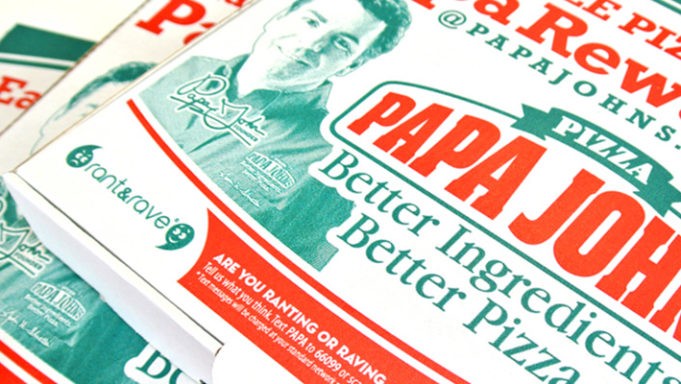
We recently implemented a new program with Papa John’s pizza that was a win-win for the tenants, the employees and for our business. We had been looking for ways to increase value to our tenants, and we approached Papa John’s to see if they were amenable to offering a discount to our tenants.
We were surprised at how open the company was willing to create a promotion for our property.

We were able to draft this agreement with the company:

  • All new renters get a free pizza card in their welcome packs. Offer good for one free large 2 topping pizza and free 2 liter .
  • Staff will be fed once per month (we bought lunch for staff, so this was great)
  • The staff will receive 50% off menu priced orders while at work and for pick-up.
  • Papa John’s will be allowed to place up to 4 yard signs to promote our apartment weekly special every month from the 1st until the 7th.
  • The apartment week special will give all of your renters a 50% discount off regular priced menu.
  • The box top flyer for the first seven days of each month.

As you can see, all parties in this transaction prospered.

Papa John’s is building their brand and has direct access to our tenant base. Our customers will be visiting Papa John’s first, and will be offered discounts to visit the store. The tenants will be happy that they will be able to receive discounts from Papa John’s. Our staff is also excited because they will be receiving a sizable discount from the pizzeria.

It is vital in business to create these win-win situations so that all parties prosper. You will be more likely to elevate customer loyalty and satisfaction while increasing revenue.

This is just one small example of how you can create these awesome solutions. Just learn how to think outside the box and be prepared for the naysayers to say “You can’t do that.” When you hear these words uttered, just know that you are on the right track.

Please let us know of any programs or ideas you have implemented to increase tenant loyalty and retention. Leave us a comment down below.

[/et_pb_text][/et_pb_column][/et_pb_row][/et_pb_section]
Jake and Gino’s Three-Step Framework For Performing Due Diligence

[et_pb_section bb_built=”1″][et_pb_row][et_pb_column type=”4_4″][et_pb_text _builder_version=”4.20.2″ background_pattern_color=”rgba(0,0,0,0.2)” background_mask_color=”#ffffff” text_text_shadow_horizontal_length=”text_text_shadow_style,%91object Object%93″ text_text_shadow_horizontal_length_tablet=”0px” text_text_shadow_vertical_length=”text_text_shadow_style,%91object Object%93″ text_text_shadow_vertical_length_tablet=”0px” text_text_shadow_blur_strength=”text_text_shadow_style,%91object Object%93″ text_text_shadow_blur_strength_tablet=”1px” link_text_shadow_horizontal_length=”link_text_shadow_style,%91object Object%93″ link_text_shadow_horizontal_length_tablet=”0px” link_text_shadow_vertical_length=”link_text_shadow_style,%91object Object%93″ link_text_shadow_vertical_length_tablet=”0px” link_text_shadow_blur_strength=”link_text_shadow_style,%91object Object%93″ link_text_shadow_blur_strength_tablet=”1px” ul_text_shadow_horizontal_length=”ul_text_shadow_style,%91object Object%93″ ul_text_shadow_horizontal_length_tablet=”0px” ul_text_shadow_vertical_length=”ul_text_shadow_style,%91object Object%93″ ul_text_shadow_vertical_length_tablet=”0px” ul_text_shadow_blur_strength=”ul_text_shadow_style,%91object Object%93″ ul_text_shadow_blur_strength_tablet=”1px” ol_text_shadow_horizontal_length=”ol_text_shadow_style,%91object Object%93″ ol_text_shadow_horizontal_length_tablet=”0px” ol_text_shadow_vertical_length=”ol_text_shadow_style,%91object Object%93″ ol_text_shadow_vertical_length_tablet=”0px” ol_text_shadow_blur_strength=”ol_text_shadow_style,%91object Object%93″ ol_text_shadow_blur_strength_tablet=”1px” quote_text_shadow_horizontal_length=”quote_text_shadow_style,%91object Object%93″ quote_text_shadow_horizontal_length_tablet=”0px” quote_text_shadow_vertical_length=”quote_text_shadow_style,%91object Object%93″ quote_text_shadow_vertical_length_tablet=”0px” quote_text_shadow_blur_strength=”quote_text_shadow_style,%91object Object%93″ quote_text_shadow_blur_strength_tablet=”1px” header_text_shadow_horizontal_length=”header_text_shadow_style,%91object Object%93″ header_text_shadow_horizontal_length_tablet=”0px” header_text_shadow_vertical_length=”header_text_shadow_style,%91object Object%93″ header_text_shadow_vertical_length_tablet=”0px” header_text_shadow_blur_strength=”header_text_shadow_style,%91object Object%93″ header_text_shadow_blur_strength_tablet=”1px” header_2_text_shadow_horizontal_length=”header_2_text_shadow_style,%91object Object%93″ header_2_text_shadow_horizontal_length_tablet=”0px” header_2_text_shadow_vertical_length=”header_2_text_shadow_style,%91object Object%93″ header_2_text_shadow_vertical_length_tablet=”0px” header_2_text_shadow_blur_strength=”header_2_text_shadow_style,%91object Object%93″ header_2_text_shadow_blur_strength_tablet=”1px” header_3_text_shadow_horizontal_length=”header_3_text_shadow_style,%91object Object%93″ header_3_text_shadow_horizontal_length_tablet=”0px” header_3_text_shadow_vertical_length=”header_3_text_shadow_style,%91object Object%93″ header_3_text_shadow_vertical_length_tablet=”0px” header_3_text_shadow_blur_strength=”header_3_text_shadow_style,%91object Object%93″ header_3_text_shadow_blur_strength_tablet=”1px” header_4_text_shadow_horizontal_length=”header_4_text_shadow_style,%91object Object%93″ header_4_text_shadow_horizontal_length_tablet=”0px” header_4_text_shadow_vertical_length=”header_4_text_shadow_style,%91object Object%93″ header_4_text_shadow_vertical_length_tablet=”0px” header_4_text_shadow_blur_strength=”header_4_text_shadow_style,%91object Object%93″ header_4_text_shadow_blur_strength_tablet=”1px” header_5_text_shadow_horizontal_length=”header_5_text_shadow_style,%91object Object%93″ header_5_text_shadow_horizontal_length_tablet=”0px” header_5_text_shadow_vertical_length=”header_5_text_shadow_style,%91object Object%93″ header_5_text_shadow_vertical_length_tablet=”0px” header_5_text_shadow_blur_strength=”header_5_text_shadow_style,%91object Object%93″ header_5_text_shadow_blur_strength_tablet=”1px” header_6_text_shadow_horizontal_length=”header_6_text_shadow_style,%91object Object%93″ header_6_text_shadow_horizontal_length_tablet=”0px” header_6_text_shadow_vertical_length=”header_6_text_shadow_style,%91object Object%93″ header_6_text_shadow_vertical_length_tablet=”0px” header_6_text_shadow_blur_strength=”header_6_text_shadow_style,%91object Object%93″ header_6_text_shadow_blur_strength_tablet=”1px” box_shadow_horizontal_tablet=”0px” box_shadow_vertical_tablet=”0px” box_shadow_blur_tablet=”40px” box_shadow_spread_tablet=”0px” vertical_offset_tablet=”0″ horizontal_offset_tablet=”0″ z_index_tablet=”0″]

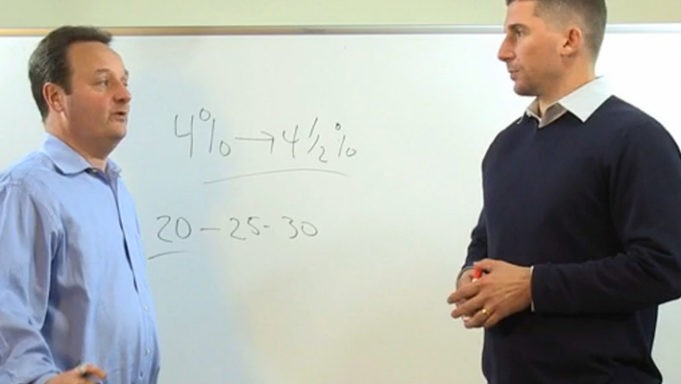
Any experienced investor will tell you that due diligence are two of the most important words in investing.  Due diligence is defined by Investopedia as, “The care a reasonable person should take before entering into an agreement or a transaction to another party.” 

I learned the importance of due diligence soon after my first real estate blunder. 

There are 3 types of due diligence: Financial, Physical, and Legal. As a rule of thumb, always perform the financial due diligence first.  If the numbers don’t work out, then you didn’t waste any money or time on the property inspection or legal work.  The majority of deals that don’t go to closing are because of the financial due diligence.  We recommend a minimum of a 30 day due diligence period for inspecting smaller properties, and at least 45 to 60 days for the larger properties.   Be sure to add extensions in the contract for length of the due diligence period.

The due diligence period should not commence until you’ve received ALL the requested financial documents. This will motivate the seller to turn over all the records in a timely fashion so you can perform an accurate analysis of the property’s performance much more quickly.   Once the time period expires, you are in jeopardy of losing your down payment if you do not go to closing.

Let me recap the three types of due diligence:

Financial

It’s all about the numbers.  Analyze a property based on actual numbers.  Request the last twelve months of profit and loss and calculate the net operating income based on this statement.  Once the numbers hit your investing criteria, move onto the next step.

Physical

Once the numbers work, it’s time to inspect the property.  If you don’t have an inspector, visit home inspector to find a professional in your market.  Be sure to inspect every unit, and negotiate the price with your inspector.  You can expect to pay around 500 for a small multifamily property, and a per unit cost for a larger multifamily property. 

Whatever deficiencies you find with the property can be negotiated with the seller.  Don’t be cheap!! Inspect every purchase.

Legal

When you purchase a property, you want the property to have no encumbrances, or liens, to have good title, and to have a valid certificate of occupancy (C of O).  Your title company will provide title insurance to protect you if there is ever any question to the title of the property.  Check to see if the property has any type of liens, and have the seller “cure” the liens before you take over. 

As far as the C of O, I have been a culprit of this mistake.  I once purchased a four family that was zoned as a three family.  The attorney and the bank did not pick up on this mistake, and when we went to refinance the property, it took years and thousands of dollars to bring it up to code.

Here is a step-by-step approach to analyzing and purchasing real estate correctly: 

  1. Verify income
  2. Verify expenses
  3. Calculate net operating income. (gross income-operating expenses)
  4. If property meets your criteria, then proceed to the letter of intent.  If not, then start the process over and continue your search for other properties
  5. Submit Letter of Intent
  6. Negotiate a price
  7. Fill out Purchase and Sale agreement
  8. Perform three steps of due diligence
  9. If property passes due diligence test, then proceed to closing.  If not, go back to the seller and negotiate problems discovered during due diligence
  10. Close!!!

 Here is a list of problems that can occur during the due diligence phase: 

  1. Repair costs/larger capital improvement
  2. Poor tenancy with low security deposits
  3. Leases don’t match lease schedule
  4. Run out of time
  5. Property owner not cooperative.

All of these problems can be addressed with the seller.  If you turn up unseen repairs, such as replacing a roof, or a damaged foundation, you can go back to the seller and ask for a price concession to fix the damage.  In real estate, investors refer to these price concessions as “re-trading”.  One does not want to be known as a re-trader because most brokers will be unwilling to work with you if you constantly want to lower the price once you have gone to contract.  Once you sign the contract, most brokers have already spent the commission.  Can you imagine their anger if you jeopardize the deal and threaten not to close?  Only consider re-trading when there are legitimate repairs that were uncovered during the inspection phase. 

If the leases do not match the schedule, then you can either have the owner produce the leases or adjust the income according to what the leases show.  If the property contains poor tenancy, then this should be reflected in the price with lower occupancy figures and lower rent collections.  As an investor, my number one rule is to buy a property on actual numbers. 

So go back to the seller if there are any discrepancies in either the income or expense figure, and reduce the price accordingly. 

If you run out of time, you may be at risk of losing your down payment.  We always ask for an extension of time to perform and close on the deal.  It is a bit more difficult to deal with an uncooperative seller.  Some sellers are a pain in the butt, and some are just simply disorganized. 

Have patience in both situations and keep your eye on the prize.   

Task:

Create a list of criteria when analyzing a property.  We strive for a 10% cash on cash return, 8 cap rate and 1.3 debt coverage ratio.  Learn to analyze properties based on current financial numbers. Secondly, visit the home inspector site and choose an inspector for your team. Next, interview title companies and attorneys for your real estate team.  It is vital to have a team in place before you start putting offers in on deals. 

Once everyone is in place, the process will run much smoother!

I am always curious as to what problems you have run into during your due diligence period.  Please leave a comment below and we will compare battle scars.  Bet you mine are bigger than yours.

[/et_pb_text][/et_pb_column][/et_pb_row][/et_pb_section]

The Three-Step Repositioning Process For Adding Value To Your Multifamily Properties

[et_pb_section bb_built=”1″][et_pb_row][et_pb_column type=”4_4″][et_pb_text _builder_version=”4.20.2″ background_pattern_color=”rgba(0,0,0,0.2)” background_mask_color=”#ffffff” text_text_shadow_horizontal_length=”text_text_shadow_style,%91object Object%93″ text_text_shadow_horizontal_length_tablet=”0px” text_text_shadow_vertical_length=”text_text_shadow_style,%91object Object%93″ text_text_shadow_vertical_length_tablet=”0px” text_text_shadow_blur_strength=”text_text_shadow_style,%91object Object%93″ text_text_shadow_blur_strength_tablet=”1px” link_text_shadow_horizontal_length=”link_text_shadow_style,%91object Object%93″ link_text_shadow_horizontal_length_tablet=”0px” link_text_shadow_vertical_length=”link_text_shadow_style,%91object Object%93″ link_text_shadow_vertical_length_tablet=”0px” link_text_shadow_blur_strength=”link_text_shadow_style,%91object Object%93″ link_text_shadow_blur_strength_tablet=”1px” ul_text_shadow_horizontal_length=”ul_text_shadow_style,%91object Object%93″ ul_text_shadow_horizontal_length_tablet=”0px” ul_text_shadow_vertical_length=”ul_text_shadow_style,%91object Object%93″ ul_text_shadow_vertical_length_tablet=”0px” ul_text_shadow_blur_strength=”ul_text_shadow_style,%91object Object%93″ ul_text_shadow_blur_strength_tablet=”1px” ol_text_shadow_horizontal_length=”ol_text_shadow_style,%91object Object%93″ ol_text_shadow_horizontal_length_tablet=”0px” ol_text_shadow_vertical_length=”ol_text_shadow_style,%91object Object%93″ ol_text_shadow_vertical_length_tablet=”0px” ol_text_shadow_blur_strength=”ol_text_shadow_style,%91object Object%93″ ol_text_shadow_blur_strength_tablet=”1px” quote_text_shadow_horizontal_length=”quote_text_shadow_style,%91object Object%93″ quote_text_shadow_horizontal_length_tablet=”0px” quote_text_shadow_vertical_length=”quote_text_shadow_style,%91object Object%93″ quote_text_shadow_vertical_length_tablet=”0px” quote_text_shadow_blur_strength=”quote_text_shadow_style,%91object Object%93″ quote_text_shadow_blur_strength_tablet=”1px” header_text_shadow_horizontal_length=”header_text_shadow_style,%91object Object%93″ header_text_shadow_horizontal_length_tablet=”0px” header_text_shadow_vertical_length=”header_text_shadow_style,%91object Object%93″ header_text_shadow_vertical_length_tablet=”0px” header_text_shadow_blur_strength=”header_text_shadow_style,%91object Object%93″ header_text_shadow_blur_strength_tablet=”1px” header_2_text_shadow_horizontal_length=”header_2_text_shadow_style,%91object Object%93″ header_2_text_shadow_horizontal_length_tablet=”0px” header_2_text_shadow_vertical_length=”header_2_text_shadow_style,%91object Object%93″ header_2_text_shadow_vertical_length_tablet=”0px” header_2_text_shadow_blur_strength=”header_2_text_shadow_style,%91object Object%93″ header_2_text_shadow_blur_strength_tablet=”1px” header_3_text_shadow_horizontal_length=”header_3_text_shadow_style,%91object Object%93″ header_3_text_shadow_horizontal_length_tablet=”0px” header_3_text_shadow_vertical_length=”header_3_text_shadow_style,%91object Object%93″ header_3_text_shadow_vertical_length_tablet=”0px” header_3_text_shadow_blur_strength=”header_3_text_shadow_style,%91object Object%93″ header_3_text_shadow_blur_strength_tablet=”1px” header_4_text_shadow_horizontal_length=”header_4_text_shadow_style,%91object Object%93″ header_4_text_shadow_horizontal_length_tablet=”0px” header_4_text_shadow_vertical_length=”header_4_text_shadow_style,%91object Object%93″ header_4_text_shadow_vertical_length_tablet=”0px” header_4_text_shadow_blur_strength=”header_4_text_shadow_style,%91object Object%93″ header_4_text_shadow_blur_strength_tablet=”1px” header_5_text_shadow_horizontal_length=”header_5_text_shadow_style,%91object Object%93″ header_5_text_shadow_horizontal_length_tablet=”0px” header_5_text_shadow_vertical_length=”header_5_text_shadow_style,%91object Object%93″ header_5_text_shadow_vertical_length_tablet=”0px” header_5_text_shadow_blur_strength=”header_5_text_shadow_style,%91object Object%93″ header_5_text_shadow_blur_strength_tablet=”1px” header_6_text_shadow_horizontal_length=”header_6_text_shadow_style,%91object Object%93″ header_6_text_shadow_horizontal_length_tablet=”0px” header_6_text_shadow_vertical_length=”header_6_text_shadow_style,%91object Object%93″ header_6_text_shadow_vertical_length_tablet=”0px” header_6_text_shadow_blur_strength=”header_6_text_shadow_style,%91object Object%93″ header_6_text_shadow_blur_strength_tablet=”1px” box_shadow_horizontal_tablet=”0px” box_shadow_vertical_tablet=”0px” box_shadow_blur_tablet=”40px” box_shadow_spread_tablet=”0px” vertical_offset_tablet=”0″ horizontal_offset_tablet=”0″ z_index_tablet=”0″]

The number one goal when investing in multifamily real estate and to explode your wealth is to increase the Net Operating Income (NOI).  Let me quickly define NOI as the total gross revenue subtracted by the operating expenses of a property.  When an investor analyzes an asset, he will typically use NOI and cap rates to determine value.  A cap rate is simply the rate of return on an asset based on income.  The higher the NOI, the higher the value of the asset

How do you calculate value with cap rates?  Let me show you a quick calculation.  Let’s assume the NOI of a property is $100,000 and the prevailing market cap rate is 10.  You would take the NOI and divide the cap rate to obtain the market value.

Thus $100,000/.10 = $1,000,000 value.  Market value and cap rates have an inverse relationship.  As cap rates lower, values rise and vice versa.

If the NOI on the same property increased to $120,000, the value of the asset at a 10 cap would increase to $1,200,000.  As you can see, a $20,000 increase in the NOI boosts the value of the property by $200,000.  Your focus is to expand the NOI by either expanding the revenue or decreasing the expenses of the property.

Let us show you our three-step framework on achieving this goal.  (Your broker should be able to tell you cap rates in their market)

Step #1: Fill the Vacant Units

Once you take over the property, your number one priority is to lease up the vacant units.  You should already have a concrete idea of what market rents are.  Our preferred tool to use when analyzing market rents is Rentometer.  It is an invaluable tool to compare rents in the market, and will tell you if your rent is reasonable, too high or a good deal.  It also depicts other rentals in your area.  Their resource center is also loaded with essential services and products for landlords and investors.

If you have a real estate broker as a team member, you can have him prepare a comparative market report for you.  Have him collect the market rents of all rentals within a twenty-minute radius of your property.  This analysis is always performed as part of your due diligence when purchasing the property to see if there is any upward mobility to rental increases.  Once you take over, continue at least quarterly to monitor rents in the area.

A couple other strategies to implement: Visit craigs list and other rental sites to analyze current rents, google your property and visit all complexes near your property to analyze rents.  Jake and I also pick up the phone and call the competition to see what they are charging and what amenities they offer.

Watch this video on how to fill the vacant units: FILL THE VACANTS

The video will give you tips and strategies on how to improve your property so you will be able to raise those rents.

Step 2: Implement RUBS
You may be asking yourself, “What is Rubs?”  Also known as ratio utility billing, landlords utilize rubs to bill back a portion of the utility expense back to the tenant.  Rubs can comprise water, sewer, electric and garbage.  It allows the landlord to implement the system with no capital expenditure and is a very fair system to implement when sub-metering is not possible.  It can be based on certain factors: square footage and number of occupants are the most common.

We target properties where landlords overlook this source of revenue.  Why would some landlords ignore this simple system?  I think there are a couple of reasons why. First of all, landlords are simply too lazy to try something new.  Ever heard of “If it ain’t broke, don’t fix it.”  In this case, it’s time to break it.  Secondly, many landlords have not kept up with their education and continue the status quo.  We have also seen that landlords feel that tenants will vacate the property if they are charged for their utilities.  The only instance where this will happen is if your competition is not using rubs on their properties.

We are fortunate that in our market it is common practice to bill back the tenants for usage.  I recommend visiting NWP for more information on how to implement a system for your property.  Our plan has been to bill the tenants $30 per month for utilities.  We are not recouping the entire portion of the utility expense, but more importantly, we are not exceeding 100% of the utility expense.  Moreover, the rest of the market has set the rate at that dollar amount, and we feel comfortable charging this amount.

Let me illustrate the power of rubs.  We took over a property with 136 units that was not billing back the tenants.  We decided to charge the tenants $30 per month for utility.  Most of the tenants were on a lease, and we had to wait until the lease expired to begin billing.  Once the entire tenant base was switched over to rubs, the results were extraordinary.  We were able to generate an additional $48,960 per year in revenue.  More importantly the NOI increased by that amount and the value of the asset increased by $612,000 (based on an 8 cap- $48,960/.08.

Step 3: Raise remaining tenants to market:
Now that a lot of the heavy lifting has taken place, it’s time to reevaluate the market and begin to increase the current tenants to market.  Don’t forget to use  Rentometer to gauge current market rents.  At this point, the tenants have seen a transformation at the property.  The exterior has been painted, the common areas are attractive, the maintenance staff is very responsive and overall customer service has skyrocketed.  It’s time to start raising rents.  Our strategy is to choose a few units to begin the process.  This is where you have to test the market and see if your property will sustain these rental increases.

One note: We have had very little resistance to rent increases when we followed our three step strategy.  Some tenants will complain about the increase.  Let them vent their frustrations and search for another apartment.  When they calm down, they will realize the deal they’ve had the past few years and renting another apartment will cost them as much a what you are going to charge them.

Task:
Begin to analyze current rents in your market by using Rentometer and the other strategies outlined above.  Target properties that do not utilize rubs, and look for properties that are underperforming.  Look for properties that have bloated expenses and shortfalls in their revenue collections.  Finally, take massive action!!

The objective is to increase the NOI of the asset!! Contact us if you have any questions

[/et_pb_text][/et_pb_column][/et_pb_row][/et_pb_section]
Property Classification Rule of Thumb

[et_pb_section bb_built=”1″][et_pb_row][et_pb_column type=”4_4″][et_pb_text _builder_version=”4.20.2″ background_pattern_color=”rgba(0,0,0,0.2)” background_mask_color=”#ffffff” text_text_shadow_horizontal_length=”text_text_shadow_style,%91object Object%93″ text_text_shadow_horizontal_length_tablet=”0px” text_text_shadow_vertical_length=”text_text_shadow_style,%91object Object%93″ text_text_shadow_vertical_length_tablet=”0px” text_text_shadow_blur_strength=”text_text_shadow_style,%91object Object%93″ text_text_shadow_blur_strength_tablet=”1px” link_text_shadow_horizontal_length=”link_text_shadow_style,%91object Object%93″ link_text_shadow_horizontal_length_tablet=”0px” link_text_shadow_vertical_length=”link_text_shadow_style,%91object Object%93″ link_text_shadow_vertical_length_tablet=”0px” link_text_shadow_blur_strength=”link_text_shadow_style,%91object Object%93″ link_text_shadow_blur_strength_tablet=”1px” ul_text_shadow_horizontal_length=”ul_text_shadow_style,%91object Object%93″ ul_text_shadow_horizontal_length_tablet=”0px” ul_text_shadow_vertical_length=”ul_text_shadow_style,%91object Object%93″ ul_text_shadow_vertical_length_tablet=”0px” ul_text_shadow_blur_strength=”ul_text_shadow_style,%91object Object%93″ ul_text_shadow_blur_strength_tablet=”1px” ol_text_shadow_horizontal_length=”ol_text_shadow_style,%91object Object%93″ ol_text_shadow_horizontal_length_tablet=”0px” ol_text_shadow_vertical_length=”ol_text_shadow_style,%91object Object%93″ ol_text_shadow_vertical_length_tablet=”0px” ol_text_shadow_blur_strength=”ol_text_shadow_style,%91object Object%93″ ol_text_shadow_blur_strength_tablet=”1px” quote_text_shadow_horizontal_length=”quote_text_shadow_style,%91object Object%93″ quote_text_shadow_horizontal_length_tablet=”0px” quote_text_shadow_vertical_length=”quote_text_shadow_style,%91object Object%93″ quote_text_shadow_vertical_length_tablet=”0px” quote_text_shadow_blur_strength=”quote_text_shadow_style,%91object Object%93″ quote_text_shadow_blur_strength_tablet=”1px” header_text_shadow_horizontal_length=”header_text_shadow_style,%91object Object%93″ header_text_shadow_horizontal_length_tablet=”0px” header_text_shadow_vertical_length=”header_text_shadow_style,%91object Object%93″ header_text_shadow_vertical_length_tablet=”0px” header_text_shadow_blur_strength=”header_text_shadow_style,%91object Object%93″ header_text_shadow_blur_strength_tablet=”1px” header_2_text_shadow_horizontal_length=”header_2_text_shadow_style,%91object Object%93″ header_2_text_shadow_horizontal_length_tablet=”0px” header_2_text_shadow_vertical_length=”header_2_text_shadow_style,%91object Object%93″ header_2_text_shadow_vertical_length_tablet=”0px” header_2_text_shadow_blur_strength=”header_2_text_shadow_style,%91object Object%93″ header_2_text_shadow_blur_strength_tablet=”1px” header_3_text_shadow_horizontal_length=”header_3_text_shadow_style,%91object Object%93″ header_3_text_shadow_horizontal_length_tablet=”0px” header_3_text_shadow_vertical_length=”header_3_text_shadow_style,%91object Object%93″ header_3_text_shadow_vertical_length_tablet=”0px” header_3_text_shadow_blur_strength=”header_3_text_shadow_style,%91object Object%93″ header_3_text_shadow_blur_strength_tablet=”1px” header_4_text_shadow_horizontal_length=”header_4_text_shadow_style,%91object Object%93″ header_4_text_shadow_horizontal_length_tablet=”0px” header_4_text_shadow_vertical_length=”header_4_text_shadow_style,%91object Object%93″ header_4_text_shadow_vertical_length_tablet=”0px” header_4_text_shadow_blur_strength=”header_4_text_shadow_style,%91object Object%93″ header_4_text_shadow_blur_strength_tablet=”1px” header_5_text_shadow_horizontal_length=”header_5_text_shadow_style,%91object Object%93″ header_5_text_shadow_horizontal_length_tablet=”0px” header_5_text_shadow_vertical_length=”header_5_text_shadow_style,%91object Object%93″ header_5_text_shadow_vertical_length_tablet=”0px” header_5_text_shadow_blur_strength=”header_5_text_shadow_style,%91object Object%93″ header_5_text_shadow_blur_strength_tablet=”1px” header_6_text_shadow_horizontal_length=”header_6_text_shadow_style,%91object Object%93″ header_6_text_shadow_horizontal_length_tablet=”0px” header_6_text_shadow_vertical_length=”header_6_text_shadow_style,%91object Object%93″ header_6_text_shadow_vertical_length_tablet=”0px” header_6_text_shadow_blur_strength=”header_6_text_shadow_style,%91object Object%93″ header_6_text_shadow_blur_strength_tablet=”1px” box_shadow_horizontal_tablet=”0px” box_shadow_vertical_tablet=”0px” box_shadow_blur_tablet=”40px” box_shadow_spread_tablet=”0px” vertical_offset_tablet=”0″ horizontal_offset_tablet=”0″ z_index_tablet=”0″]

In our previous article, we focused on unit mix and the importance of choosing an apartment complex with the most beneficial unit mix.  In this article, we are going to focus on property classifications.  Property classifications are important because the investor will know what type of return to expect with the property and the investor will be able to convey to brokers the type of properties he is targeting.    It is imperative that an investor become intimately familiar with cash flows and cap rates associated with each class of property.

A-properties are the most recently constructed units, those that contain top amenities, require low maintenance, and are inhabited by young white-collar workers. These assets tend to be more stable, have less risk, and charge higher rents, all of which are the reasons they trade at lower cap rates.

This type of property will appreciate more, but cash flow will be harder to come by.

My view is that an A property is excellent for wealth management, and large institutions such as REITS focus on this asset class.  If your objective is to create wealth, look elsewhere.

B-properties have typically been built within the last 20 years, and it usually has a mix of white-collar and blue-collar workers. The property will show its age by a bit of deferred maintenance or functional obsolescence. You may also see older heating and cooling systems, roofs that have a bit of wear and tear and parking lots that need repair.

B-properties have a good mix of appreciation as well as cash flow.

C-properties tend to be at least 30-years-old and contain mostly blue-collar workers and section 8 tenants. They contain a fair amount of deferred maintenance, and these properties are poised for cash flow. There’s less appreciation potential unless the investor repositions the property and improves operations.

This is our favorite type of property class to invest in because these tenants are less likely to purchase homes and will become long-term tenants if treated properly. Our broker in Knoxville refers to C properties as “crap” properties, but loves to invest in this type of asset because of ability to cash flow and reposition to a higher class.  Investors are always on the lookout to buy a C property and reposition it to a B property.

D-properties the lowest class of property, are usually located in inner cities where it’s difficult to collect the rent and vacancy rates are high. These properties are highly management intensive and the tenant base is often difficult to deal with. Investors get lured into investing in these properties due to the low prices, but soon realize they got more than they bargained for.

Unless you can purchase a D-property and reposition it to become a C-property, you’re better off staying away from them.

To recap, here are a few rules of thumb for these property types:  A properties will have the greatest appreciation, but the worst cash flow.  Investors will buy these A assets because they tend to be less risky and therefore the return will be lower. The less risk the asset has, the lower the cap rate.   B properties will have a good mix of cash flow, as well as appreciation.  C properties have great cash flow, but appreciation is limited, unless forced.

A properties have the lowest cap rates, ranging from 3 to 5.
B properties are in the range of 6 to 9.
C properties hover in the 10 plus range
D properties start at 13, and can escalate from there.

Just remember, a 15 cap rate looks great on paper, but it means ZERO if you can’t collect the rent. The current market conditions and price escalation in the multifamily space have pushed cap rates down.

Cap rates have an inverse relationship with prices.  Once prices increase, the expected rate of return of the asset contracts and thus the cap rate decreases.  The flow of money into the multifamily investment has perpetuated the reduction in cap rates.

Task
Research the cap rates in your market, and choose an asset class to invest in.  Analyze current deals based on actual numbers and present your offers to the brokers based on your calculations.  Do not use pro forma numbers in your calculations.

One note: Cap rates are used primarily in multifamily investing, and are seldom used in Single Family Homes.

If you would like any more information on multifamily investing, please visit JakeandGino.com. Please leave us a comment below and let us know what type of property types you invest in.


[/et_pb_text][/et_pb_column][/et_pb_row][/et_pb_section]

“Unit Mix” Rule of Thumb for Multifamily Investors

[et_pb_section bb_built=”1″][et_pb_row][et_pb_column type=”4_4″][et_pb_text _builder_version=”4.20.2″ background_pattern_color=”rgba(0,0,0,0.2)” background_mask_color=”#ffffff” text_text_shadow_horizontal_length=”text_text_shadow_style,%91object Object%93″ text_text_shadow_horizontal_length_tablet=”0px” text_text_shadow_vertical_length=”text_text_shadow_style,%91object Object%93″ text_text_shadow_vertical_length_tablet=”0px” text_text_shadow_blur_strength=”text_text_shadow_style,%91object Object%93″ text_text_shadow_blur_strength_tablet=”1px” link_text_shadow_horizontal_length=”link_text_shadow_style,%91object Object%93″ link_text_shadow_horizontal_length_tablet=”0px” link_text_shadow_vertical_length=”link_text_shadow_style,%91object Object%93″ link_text_shadow_vertical_length_tablet=”0px” link_text_shadow_blur_strength=”link_text_shadow_style,%91object Object%93″ link_text_shadow_blur_strength_tablet=”1px” ul_text_shadow_horizontal_length=”ul_text_shadow_style,%91object Object%93″ ul_text_shadow_horizontal_length_tablet=”0px” ul_text_shadow_vertical_length=”ul_text_shadow_style,%91object Object%93″ ul_text_shadow_vertical_length_tablet=”0px” ul_text_shadow_blur_strength=”ul_text_shadow_style,%91object Object%93″ ul_text_shadow_blur_strength_tablet=”1px” ol_text_shadow_horizontal_length=”ol_text_shadow_style,%91object Object%93″ ol_text_shadow_horizontal_length_tablet=”0px” ol_text_shadow_vertical_length=”ol_text_shadow_style,%91object Object%93″ ol_text_shadow_vertical_length_tablet=”0px” ol_text_shadow_blur_strength=”ol_text_shadow_style,%91object Object%93″ ol_text_shadow_blur_strength_tablet=”1px” quote_text_shadow_horizontal_length=”quote_text_shadow_style,%91object Object%93″ quote_text_shadow_horizontal_length_tablet=”0px” quote_text_shadow_vertical_length=”quote_text_shadow_style,%91object Object%93″ quote_text_shadow_vertical_length_tablet=”0px” quote_text_shadow_blur_strength=”quote_text_shadow_style,%91object Object%93″ quote_text_shadow_blur_strength_tablet=”1px” header_text_shadow_horizontal_length=”header_text_shadow_style,%91object Object%93″ header_text_shadow_horizontal_length_tablet=”0px” header_text_shadow_vertical_length=”header_text_shadow_style,%91object Object%93″ header_text_shadow_vertical_length_tablet=”0px” header_text_shadow_blur_strength=”header_text_shadow_style,%91object Object%93″ header_text_shadow_blur_strength_tablet=”1px” header_2_text_shadow_horizontal_length=”header_2_text_shadow_style,%91object Object%93″ header_2_text_shadow_horizontal_length_tablet=”0px” header_2_text_shadow_vertical_length=”header_2_text_shadow_style,%91object Object%93″ header_2_text_shadow_vertical_length_tablet=”0px” header_2_text_shadow_blur_strength=”header_2_text_shadow_style,%91object Object%93″ header_2_text_shadow_blur_strength_tablet=”1px” header_3_text_shadow_horizontal_length=”header_3_text_shadow_style,%91object Object%93″ header_3_text_shadow_horizontal_length_tablet=”0px” header_3_text_shadow_vertical_length=”header_3_text_shadow_style,%91object Object%93″ header_3_text_shadow_vertical_length_tablet=”0px” header_3_text_shadow_blur_strength=”header_3_text_shadow_style,%91object Object%93″ header_3_text_shadow_blur_strength_tablet=”1px” header_4_text_shadow_horizontal_length=”header_4_text_shadow_style,%91object Object%93″ header_4_text_shadow_horizontal_length_tablet=”0px” header_4_text_shadow_vertical_length=”header_4_text_shadow_style,%91object Object%93″ header_4_text_shadow_vertical_length_tablet=”0px” header_4_text_shadow_blur_strength=”header_4_text_shadow_style,%91object Object%93″ header_4_text_shadow_blur_strength_tablet=”1px” header_5_text_shadow_horizontal_length=”header_5_text_shadow_style,%91object Object%93″ header_5_text_shadow_horizontal_length_tablet=”0px” header_5_text_shadow_vertical_length=”header_5_text_shadow_style,%91object Object%93″ header_5_text_shadow_vertical_length_tablet=”0px” header_5_text_shadow_blur_strength=”header_5_text_shadow_style,%91object Object%93″ header_5_text_shadow_blur_strength_tablet=”1px” header_6_text_shadow_horizontal_length=”header_6_text_shadow_style,%91object Object%93″ header_6_text_shadow_horizontal_length_tablet=”0px” header_6_text_shadow_vertical_length=”header_6_text_shadow_style,%91object Object%93″ header_6_text_shadow_vertical_length_tablet=”0px” header_6_text_shadow_blur_strength=”header_6_text_shadow_style,%91object Object%93″ header_6_text_shadow_blur_strength_tablet=”1px” box_shadow_horizontal_tablet=”0px” box_shadow_vertical_tablet=”0px” box_shadow_blur_tablet=”40px” box_shadow_spread_tablet=”0px” vertical_offset_tablet=”0″ horizontal_offset_tablet=”0″ z_index_tablet=”0″]

In the previous article, we defined what an investing rule of thumb was and how they were useful in real estate investing.  A rule of thumb is a guideline that provides simplified advice regarding a particular subject, in this case investing in real estate.  The first three rules of thumb that were introduced were,

  1. Cash on Cash return
  2. Debt Service Coverage Ratio
  3. Cap Rate. 

It is vital for investors to master these three ratios to become successful in real estate, and to follow these rules of thumb in any market cycle.

In this article, we are going to tackle unit mixes.  This ratio deals with what is the optimal unit mix in an apartment complex.  As we mentioned previously, we are going to discuss guidelines pertaining to this ratio, and how to have this rule of thumb help you sniff out a good deal.

Unit mix is simply the different number of bedroom apartments in a property.  Apartments range in sizes from efficiency to 5 bedrooms. An efficiency apartment is usually occupied by a single person and combines the sleeping, living, and kitchen areas.

Studio apartments are larger versions of the same footprint, but tend to have a larger kitchen. We tend to shy away from these types of apartments because the tenant base tends to be transient, which means that the tenants move in and out and create a high tenant turnover.

One of the largest expenses that a landlord incurs is tenant turnover because the unit has to be prepared for the next person to move in and, in the meantime, the unit remains unoccupied.

The next size is a one-bedroom unit, which can also have a higher turnover rate, but not as high as the aforementioned smaller styles. Typically, municipalities allow two tenants to occupy an apartment for each bedroom, and in turn, it shrinks the tenant pool.

However, it all depends where the units are located. One-bedroom units are favorable for college students, senior citizens, and couples. We own a 36-unit property that contains all one-bedroom units, and we have no problem maintaining the occupancy at 95%.

Our favorite unit size to work with is the two-bedroom units.

They’re ideal for most demographics yet larger families can’t occupy them. Larger families tend to cause more deferred maintenance on a unit, another costly expense for landlords. Two-bedroom units are usually the most cost effective for tenants and are the easiest to rent out.

The three-, four-, and five-bedroom units conclude the sizes for apartments, but it’s  pretty rare for apartment buildings to contain four- and five-bedroom units. These sizes are found more often in single-family homes. When it comes to apartments, the more bedrooms, the higher the rent, so investors should try to acquire properties that have more bedrooms.

The key to unit mix is to acquire an asset that has a favorable number of two-bedroom units in relation to one-bedroom units. The ideal ratio is 2 two-bedroom units to 1 one-bedroom unit.

For example, on a 100-unit property, we like to see 66 two-bedrooms and 34 one-bedrooms.

This type of unit mix makes the asset more valuable, and will make it easier for the landlord to rent out the units as well as choose from a larger tenant base. Tenants also have the option of moving up or down a size without having to leave the property, which also benefits the landlord in that it reduces vacancies. We wouldn’t discount a property solely on the tenant mix. It’s only one piece of the puzzle, but a rather important one.

Let us know what you think is the best unit mix and leave us a comment down below.  We love 2 bedroom units, but this size may not be beneficial in your market.  Certain markets have a high percentage of millennial renters who favor one-bedroom apartments, so it is vital you are familiar with the demographics of your market.

[/et_pb_text][/et_pb_column][/et_pb_row][/et_pb_section]

How to Get Started Investing in Real Estate

[et_pb_section bb_built=”1″][et_pb_row][et_pb_column type=”4_4″][et_pb_text _builder_version=”4.20.2″ background_pattern_color=”rgba(0,0,0,0.2)” background_mask_color=”#ffffff” text_text_shadow_horizontal_length=”text_text_shadow_style,%91object Object%93″ text_text_shadow_horizontal_length_tablet=”0px” text_text_shadow_vertical_length=”text_text_shadow_style,%91object Object%93″ text_text_shadow_vertical_length_tablet=”0px” text_text_shadow_blur_strength=”text_text_shadow_style,%91object Object%93″ text_text_shadow_blur_strength_tablet=”1px” link_text_shadow_horizontal_length=”link_text_shadow_style,%91object Object%93″ link_text_shadow_horizontal_length_tablet=”0px” link_text_shadow_vertical_length=”link_text_shadow_style,%91object Object%93″ link_text_shadow_vertical_length_tablet=”0px” link_text_shadow_blur_strength=”link_text_shadow_style,%91object Object%93″ link_text_shadow_blur_strength_tablet=”1px” ul_text_shadow_horizontal_length=”ul_text_shadow_style,%91object Object%93″ ul_text_shadow_horizontal_length_tablet=”0px” ul_text_shadow_vertical_length=”ul_text_shadow_style,%91object Object%93″ ul_text_shadow_vertical_length_tablet=”0px” ul_text_shadow_blur_strength=”ul_text_shadow_style,%91object Object%93″ ul_text_shadow_blur_strength_tablet=”1px” ol_text_shadow_horizontal_length=”ol_text_shadow_style,%91object Object%93″ ol_text_shadow_horizontal_length_tablet=”0px” ol_text_shadow_vertical_length=”ol_text_shadow_style,%91object Object%93″ ol_text_shadow_vertical_length_tablet=”0px” ol_text_shadow_blur_strength=”ol_text_shadow_style,%91object Object%93″ ol_text_shadow_blur_strength_tablet=”1px” quote_text_shadow_horizontal_length=”quote_text_shadow_style,%91object Object%93″ quote_text_shadow_horizontal_length_tablet=”0px” quote_text_shadow_vertical_length=”quote_text_shadow_style,%91object Object%93″ quote_text_shadow_vertical_length_tablet=”0px” quote_text_shadow_blur_strength=”quote_text_shadow_style,%91object Object%93″ quote_text_shadow_blur_strength_tablet=”1px” header_text_shadow_horizontal_length=”header_text_shadow_style,%91object Object%93″ header_text_shadow_horizontal_length_tablet=”0px” header_text_shadow_vertical_length=”header_text_shadow_style,%91object Object%93″ header_text_shadow_vertical_length_tablet=”0px” header_text_shadow_blur_strength=”header_text_shadow_style,%91object Object%93″ header_text_shadow_blur_strength_tablet=”1px” header_2_text_shadow_horizontal_length=”header_2_text_shadow_style,%91object Object%93″ header_2_text_shadow_horizontal_length_tablet=”0px” header_2_text_shadow_vertical_length=”header_2_text_shadow_style,%91object Object%93″ header_2_text_shadow_vertical_length_tablet=”0px” header_2_text_shadow_blur_strength=”header_2_text_shadow_style,%91object Object%93″ header_2_text_shadow_blur_strength_tablet=”1px” header_3_text_shadow_horizontal_length=”header_3_text_shadow_style,%91object Object%93″ header_3_text_shadow_horizontal_length_tablet=”0px” header_3_text_shadow_vertical_length=”header_3_text_shadow_style,%91object Object%93″ header_3_text_shadow_vertical_length_tablet=”0px” header_3_text_shadow_blur_strength=”header_3_text_shadow_style,%91object Object%93″ header_3_text_shadow_blur_strength_tablet=”1px” header_4_text_shadow_horizontal_length=”header_4_text_shadow_style,%91object Object%93″ header_4_text_shadow_horizontal_length_tablet=”0px” header_4_text_shadow_vertical_length=”header_4_text_shadow_style,%91object Object%93″ header_4_text_shadow_vertical_length_tablet=”0px” header_4_text_shadow_blur_strength=”header_4_text_shadow_style,%91object Object%93″ header_4_text_shadow_blur_strength_tablet=”1px” header_5_text_shadow_horizontal_length=”header_5_text_shadow_style,%91object Object%93″ header_5_text_shadow_horizontal_length_tablet=”0px” header_5_text_shadow_vertical_length=”header_5_text_shadow_style,%91object Object%93″ header_5_text_shadow_vertical_length_tablet=”0px” header_5_text_shadow_blur_strength=”header_5_text_shadow_style,%91object Object%93″ header_5_text_shadow_blur_strength_tablet=”1px” header_6_text_shadow_horizontal_length=”header_6_text_shadow_style,%91object Object%93″ header_6_text_shadow_horizontal_length_tablet=”0px” header_6_text_shadow_vertical_length=”header_6_text_shadow_style,%91object Object%93″ header_6_text_shadow_vertical_length_tablet=”0px” header_6_text_shadow_blur_strength=”header_6_text_shadow_style,%91object Object%93″ header_6_text_shadow_blur_strength_tablet=”1px” box_shadow_horizontal_tablet=”0px” box_shadow_vertical_tablet=”0px” box_shadow_blur_tablet=”40px” box_shadow_spread_tablet=”0px” vertical_offset_tablet=”0″ horizontal_offset_tablet=”0″ z_index_tablet=”0″]

What is holding you back from investing in real estate?  Is it not having enough money, short on time, lack of experience, fear, or just simply not knowing where to start?  This pretty much sums up how I began my career in real estate investing.  In this article, I want to show you how I overcame all of these obstacles and the path I followed to stumble right into my first investment.    I want you to use this framework to launch your career in real estate.  Once I overcame my fear and the negativity from my friends and family, I was eager to duplicate the success from my first investment.

What was the first step that I took to investing in real estate?  
It was simply making that decision to commit myself to creating wealth and developing a plan to generate passive income.  I had always thought about investing, but that thought did not become a reality until it led to a burning desire.

What is your burning desire to invest in real estate? 
My desire was to create a better future for my family and to “retire” from my business that I had been running the past twenty years.  I yearned for a sense of fulfillment, and I thought real estate could offer me this feeling of fulfillment and accomplishment.   Once you experience this burning desire, it is time for action.

I still had no idea where to begin.

I knew that I needed to educate myself, so I joined a coaching program and began to devour books on the subject.   I also began to speak to individuals who were in the business and tried to learn as much as possible from them.

Every investor should begin by choosing a niche, or strategy, in real estate; for instance, do you want to buy houses and hold them for cash flow, do you want to fix and flip, are you going to become a wholesaler, is commercial real estate appealing to you.  There are an extensive amount of strategies, as well as types of assets.  I elected to focus in on purchasing multifamily apartments and holding them for cash flow.

It is vital that you complete this first step.  It will allow you to concentrate your efforts on one strategy and master that niche.  There is so much information that you need to learn to become successful, and jumping around will only confuse and frustrate you.  Once you have been successful in that niche, then consider other turning your attention to other types of strategies.

Once you’ve chosen a niche, it’s time to focus in on a specific asset class.  Choose whether you want to invest in single family homes, multifamily properties, commercial, etc.  I became very specific in my investing criteria.  I narrowed my niche to “Mom and Pop” apartments, a termed I created to describe multifamily properties that were being run by individuals or family members who were showing signs of burning out.  These properties were being run with no systems in place, and showed signs of neglect and incompetent management.  Once I narrowed my search for properties, I became focused on analyzing these types of deals.  To my astonishment, the market was filled with these types of properties.

Now it was on to choosing a market.  I felt that investing in my backyard was not going to yield the results I was aiming for, so I decided to invest in Rochester, NY.  I purchased a couple of duplexes that were generating cash flow, but fell far short of wealth creation.

At first, I viewed this decision as a mistake.  But as time passed, this “mistake” became an opportunity for me to explore.  I had learned how to deal with a management company, how to run an asset out of my immediate market, how to analyze deals and how to run a real estate business.  I switched gears and began to invest in Knoxville TN with my friend and partner Jake Stenziano.  This was the point when Jake and I began to build our team members.

Jake and I purchased our first mom and pop property approximately 18 months after we began our search.  It was frustrating at first, being told by brokers that “You will never do business in this town!”  But we stuck with it and persevered.  It was a 25 unit gem (actually, it was a run down weekly rental full of tenants who paid when they felt like it).  Since we were a bit short of funds, we asked the seller for owner financing, and she obliged.  I think she was finally happy to be rid of the property.

The second acquisition went a bit smoother, but not by much.  We took on another partner to help expand the portfolio, and it was one of the better decisions we made.  Our partner recognized the potential of our business plan, and we decided to scour the market for another property.

As luck would have it, we stumbled upon the ultimate mom and pop property that consisted of 136 units.  The fear and doubt came rushing back to Jake and I, but with help from our partner we acquired the property.  It had only taken us 18 months to buy our first deal, but only 24 months to accumulate an additional 300 units.  Once you have momentum and experience behind your back, the sky is the limit.  The key is to get into the game and buy that first deal.

Let me give you a brief recap on how to land that first deal:

  1. Decide to invest in real estate
  2. Start to read books and interact with real estate professionals
  3. Choose a niche
  4. Choose an asset class
  5. Continue your education.  Look for mentors, coaches.
  6. Choose a market
  7. Consider a partner.  This worked well for me.
  8. Begin to build your team.
  9. Take action.  Buy that first property.
  10. If you enjoy the business, look for your next investment.

Once you decide to invest in real estate, follow this framework to land that first deal.  Please leave a comment below and let me know what made you start your investing career.

Listen to our podcast “The Gateway into Multifamily Real Estate”.   and learn how you can get started investing in real estate.

Gino

[/et_pb_text][/et_pb_column][/et_pb_row][/et_pb_section]

What is a Rule of Thumb and How Can it Help your Real Estate Investing

[et_pb_section bb_built=”1″][et_pb_row][et_pb_column type=”4_4″][et_pb_text _builder_version=”4.20.2″ background_pattern_color=”rgba(0,0,0,0.2)” background_mask_color=”#ffffff” text_text_shadow_horizontal_length=”text_text_shadow_style,%91object Object%93″ text_text_shadow_horizontal_length_tablet=”0px” text_text_shadow_vertical_length=”text_text_shadow_style,%91object Object%93″ text_text_shadow_vertical_length_tablet=”0px” text_text_shadow_blur_strength=”text_text_shadow_style,%91object Object%93″ text_text_shadow_blur_strength_tablet=”1px” link_text_shadow_horizontal_length=”link_text_shadow_style,%91object Object%93″ link_text_shadow_horizontal_length_tablet=”0px” link_text_shadow_vertical_length=”link_text_shadow_style,%91object Object%93″ link_text_shadow_vertical_length_tablet=”0px” link_text_shadow_blur_strength=”link_text_shadow_style,%91object Object%93″ link_text_shadow_blur_strength_tablet=”1px” ul_text_shadow_horizontal_length=”ul_text_shadow_style,%91object Object%93″ ul_text_shadow_horizontal_length_tablet=”0px” ul_text_shadow_vertical_length=”ul_text_shadow_style,%91object Object%93″ ul_text_shadow_vertical_length_tablet=”0px” ul_text_shadow_blur_strength=”ul_text_shadow_style,%91object Object%93″ ul_text_shadow_blur_strength_tablet=”1px” ol_text_shadow_horizontal_length=”ol_text_shadow_style,%91object Object%93″ ol_text_shadow_horizontal_length_tablet=”0px” ol_text_shadow_vertical_length=”ol_text_shadow_style,%91object Object%93″ ol_text_shadow_vertical_length_tablet=”0px” ol_text_shadow_blur_strength=”ol_text_shadow_style,%91object Object%93″ ol_text_shadow_blur_strength_tablet=”1px” quote_text_shadow_horizontal_length=”quote_text_shadow_style,%91object Object%93″ quote_text_shadow_horizontal_length_tablet=”0px” quote_text_shadow_vertical_length=”quote_text_shadow_style,%91object Object%93″ quote_text_shadow_vertical_length_tablet=”0px” quote_text_shadow_blur_strength=”quote_text_shadow_style,%91object Object%93″ quote_text_shadow_blur_strength_tablet=”1px” header_text_shadow_horizontal_length=”header_text_shadow_style,%91object Object%93″ header_text_shadow_horizontal_length_tablet=”0px” header_text_shadow_vertical_length=”header_text_shadow_style,%91object Object%93″ header_text_shadow_vertical_length_tablet=”0px” header_text_shadow_blur_strength=”header_text_shadow_style,%91object Object%93″ header_text_shadow_blur_strength_tablet=”1px” header_2_text_shadow_horizontal_length=”header_2_text_shadow_style,%91object Object%93″ header_2_text_shadow_horizontal_length_tablet=”0px” header_2_text_shadow_vertical_length=”header_2_text_shadow_style,%91object Object%93″ header_2_text_shadow_vertical_length_tablet=”0px” header_2_text_shadow_blur_strength=”header_2_text_shadow_style,%91object Object%93″ header_2_text_shadow_blur_strength_tablet=”1px” header_3_text_shadow_horizontal_length=”header_3_text_shadow_style,%91object Object%93″ header_3_text_shadow_horizontal_length_tablet=”0px” header_3_text_shadow_vertical_length=”header_3_text_shadow_style,%91object Object%93″ header_3_text_shadow_vertical_length_tablet=”0px” header_3_text_shadow_blur_strength=”header_3_text_shadow_style,%91object Object%93″ header_3_text_shadow_blur_strength_tablet=”1px” header_4_text_shadow_horizontal_length=”header_4_text_shadow_style,%91object Object%93″ header_4_text_shadow_horizontal_length_tablet=”0px” header_4_text_shadow_vertical_length=”header_4_text_shadow_style,%91object Object%93″ header_4_text_shadow_vertical_length_tablet=”0px” header_4_text_shadow_blur_strength=”header_4_text_shadow_style,%91object Object%93″ header_4_text_shadow_blur_strength_tablet=”1px” header_5_text_shadow_horizontal_length=”header_5_text_shadow_style,%91object Object%93″ header_5_text_shadow_horizontal_length_tablet=”0px” header_5_text_shadow_vertical_length=”header_5_text_shadow_style,%91object Object%93″ header_5_text_shadow_vertical_length_tablet=”0px” header_5_text_shadow_blur_strength=”header_5_text_shadow_style,%91object Object%93″ header_5_text_shadow_blur_strength_tablet=”1px” header_6_text_shadow_horizontal_length=”header_6_text_shadow_style,%91object Object%93″ header_6_text_shadow_horizontal_length_tablet=”0px” header_6_text_shadow_vertical_length=”header_6_text_shadow_style,%91object Object%93″ header_6_text_shadow_vertical_length_tablet=”0px” header_6_text_shadow_blur_strength=”header_6_text_shadow_style,%91object Object%93″ header_6_text_shadow_blur_strength_tablet=”1px” box_shadow_horizontal_tablet=”0px” box_shadow_vertical_tablet=”0px” box_shadow_blur_tablet=”40px” box_shadow_spread_tablet=”0px” vertical_offset_tablet=”0″ horizontal_offset_tablet=”0″ z_index_tablet=”0″]

When it comes to investing in real estate, it’s not as complicated as some make it out to be. Investopedia defines a rule of thumb as “a guideline that provides simplified advice regarding a particular subject,” and we’re here to show you that by adhering to several rules of thumb, you can be on your way to a successful career in real estate.

It’s important for beginner investors to learn certain investing criteria and formulas in order to properly analyze investment properties. Using rules of thumb will give investors an idea if the property is worth consideration. For example, our rule of thumb pertaining to cash-on-cash returns is that it must be producing a 10% return or more, which means that if the investment is only producing a 4% cash-on-cash return, it’s a big red flag to us that the asset is under-performing.

We’ll still examine the deal, but proceed with extreme caution. On the other hand, if the cash-on-cash return is 12%, then the investment meets our criteria and warrants further serious investigation. Keep in mind that each circumstance is different, so use each rule of thumb only as a guide.

The term “rule of thumb” is said to have originated with carpenters who used the width of their thumb to measure things. The term has also been associated with farmers who used their thumbs as a measurement to plant seeds the proper depth. In either case, you can see that the rule of thumb is an approximation, or a quick way to estimate a value. This technique can be translated into real estate in a way that you can shorten the amount of time you take to analyze a deal while still not rushing into a decision that isn’t right for you.

In this article, we are going to discuss the top three Rules of Thumb that we use to analyze deals. The first rule of thumb is Cash on Cash Return.  A cash on cash return is simply the return an investor receives on the amount of “cash” that is invested in the deal.  To calculate this figure, take the annual cash flow from the property and divide by the TOTAL cash invested. For example, if you receive $10,000 in cash flow and you invested $100,000 in cash, then your return would be $10,000/$100,000 = 10%.

We strive to put in as little of our capital as possible in order to obtain the highest return of capital back as quickly as possible.  The goal of any real estate investor is to control as many properties with as little money invested in each deal as possible.  This strategy will explode your wealth because each property “should” be cash flowing, and each property will be appreciating in value.  Our number one rule is to buy properties that cash flow every month.  We will never purchase a property that has a negative cash flow.  Investors call these properties alligators because they will eat you alive, just like an alligator.

Our rule of thumb for cash on cash return is that we strive for a 10% return or greater, based on actual performance.  ALWAYS analyze properties based on actual numbers, not some seller’s rosy proforma figures.  If the property has the potential to generate substantially higher returns once it is repositioned, then we are willing to drop that figure to 7-8%.  Just make sure that you can raise the income or lower expenses to raise the return.

The second rule of thumb we use is Debt Service Coverage Ratio.  Calculating the DSCR is vital when applying for financing with a bank.  It’s the ratio between a property’s Net operating income (NOI) and the total annual debt service of the property.  NOI is calculated as the total revenue of the property less operating expenses.

It’s calculated as follows: DSCR= NOI/Annual Debt

Example: If the DSCR on a property is 1.0, then the property is generating just enough money to pay the mortgage. There will be nothing left over to pay any expenses. The rule of thumb is that banks are looking for a DSCR of at least 1.2, and we strive for a DSCR of 1.3. At that point, the property is producing 30% more revenue than the cost of the mortgage, practically guaranteeing that you’ll meet all of your obligations and have cash flow left over.  You can tell when the market is reaching a bubble when banks drop their DSCR below 1.2.

The third rule of thumb we use is called the Capitalization Rate, which is defined as the rate of return you can expect to receive on a property, excluding any debt service. The cap rate is used to determine the asset’s current value. It’s just one way of determining value without any leverage on the asset.

The Cap rate is calculated as follows:  Cap Rate =NOI / value  

Example: If a building has an NOI of $50,000 and it was selling for $500,000, then the     cap rate would be 50,000/500,000=.10 or 10%.

You can also calculate the value by doing: Value = NOI/cap rate

Example: If a building with a $100,000 NOI has a cap rate of 10%, then it would have a     value of $1 million dollars as calculated by doing 100,000/.1= $1,000,000.

Cap rates have an inverse relationship. A higher cap rate denotes a lower value and vice versa. In the example above, if the cap rate was 11% and you had an NOI of $100,000, then the value would calculate to 100,000/.11= 909,000. A cap rate of 9% would yield a value of $1,111,111.

Remember, the less you pay for a property, the higher the rate of return on your investment; the more you pay, the lower your return. Markets that are considered “hot” tend to have lower cap rates.

Our rule of thumb for cap rates is that we purchase assets with at least an 8 cap. Location and property type affect the cap rates of an apartment building, but we see no sense in investing in an asset that yields less than an 8 cap because there is too much work involved. You need to be compensated properly for the additional risk and work involved in managing the asset. In a normal market, cap rates hover anywhere from a 7 to a 12 cap.

We hope you’ve enjoyed this article on Rules of Thumb.  In our next article, we are going to delve into more rules of thumb.  Let us know if you use any rules of thumb when analyzing deals.

[/et_pb_text][/et_pb_column][/et_pb_row][/et_pb_section]

What Items to Improve When Repositioning a Property: PART 2

[et_pb_section bb_built=”1″ inner_width=”auto” inner_max_width=”1920px”][et_pb_row][et_pb_column type=”4_4″ custom_padding__hover=”|||” custom_padding=”|||”][et_pb_text _builder_version=”4.20.2″ background_pattern_color=”rgba(0,0,0,0.2)” background_mask_color=”#ffffff” text_text_shadow_horizontal_length=”text_text_shadow_style,%91object Object%93″ text_text_shadow_horizontal_length_tablet=”0px” text_text_shadow_vertical_length=”text_text_shadow_style,%91object Object%93″ text_text_shadow_vertical_length_tablet=”0px” text_text_shadow_blur_strength=”text_text_shadow_style,%91object Object%93″ text_text_shadow_blur_strength_tablet=”1px” link_text_shadow_horizontal_length=”link_text_shadow_style,%91object Object%93″ link_text_shadow_horizontal_length_tablet=”0px” link_text_shadow_vertical_length=”link_text_shadow_style,%91object Object%93″ link_text_shadow_vertical_length_tablet=”0px” link_text_shadow_blur_strength=”link_text_shadow_style,%91object Object%93″ link_text_shadow_blur_strength_tablet=”1px” ul_text_shadow_horizontal_length=”ul_text_shadow_style,%91object Object%93″ ul_text_shadow_horizontal_length_tablet=”0px” ul_text_shadow_vertical_length=”ul_text_shadow_style,%91object Object%93″ ul_text_shadow_vertical_length_tablet=”0px” ul_text_shadow_blur_strength=”ul_text_shadow_style,%91object Object%93″ ul_text_shadow_blur_strength_tablet=”1px” ol_text_shadow_horizontal_length=”ol_text_shadow_style,%91object Object%93″ ol_text_shadow_horizontal_length_tablet=”0px” ol_text_shadow_vertical_length=”ol_text_shadow_style,%91object Object%93″ ol_text_shadow_vertical_length_tablet=”0px” ol_text_shadow_blur_strength=”ol_text_shadow_style,%91object Object%93″ ol_text_shadow_blur_strength_tablet=”1px” quote_text_shadow_horizontal_length=”quote_text_shadow_style,%91object Object%93″ quote_text_shadow_horizontal_length_tablet=”0px” quote_text_shadow_vertical_length=”quote_text_shadow_style,%91object Object%93″ quote_text_shadow_vertical_length_tablet=”0px” quote_text_shadow_blur_strength=”quote_text_shadow_style,%91object Object%93″ quote_text_shadow_blur_strength_tablet=”1px” header_text_shadow_horizontal_length=”header_text_shadow_style,%91object Object%93″ header_text_shadow_horizontal_length_tablet=”0px” header_text_shadow_vertical_length=”header_text_shadow_style,%91object Object%93″ header_text_shadow_vertical_length_tablet=”0px” header_text_shadow_blur_strength=”header_text_shadow_style,%91object Object%93″ header_text_shadow_blur_strength_tablet=”1px” header_2_text_shadow_horizontal_length=”header_2_text_shadow_style,%91object Object%93″ header_2_text_shadow_horizontal_length_tablet=”0px” header_2_text_shadow_vertical_length=”header_2_text_shadow_style,%91object Object%93″ header_2_text_shadow_vertical_length_tablet=”0px” header_2_text_shadow_blur_strength=”header_2_text_shadow_style,%91object Object%93″ header_2_text_shadow_blur_strength_tablet=”1px” header_3_text_shadow_horizontal_length=”header_3_text_shadow_style,%91object Object%93″ header_3_text_shadow_horizontal_length_tablet=”0px” header_3_text_shadow_vertical_length=”header_3_text_shadow_style,%91object Object%93″ header_3_text_shadow_vertical_length_tablet=”0px” header_3_text_shadow_blur_strength=”header_3_text_shadow_style,%91object Object%93″ header_3_text_shadow_blur_strength_tablet=”1px” header_4_text_shadow_horizontal_length=”header_4_text_shadow_style,%91object Object%93″ header_4_text_shadow_horizontal_length_tablet=”0px” header_4_text_shadow_vertical_length=”header_4_text_shadow_style,%91object Object%93″ header_4_text_shadow_vertical_length_tablet=”0px” header_4_text_shadow_blur_strength=”header_4_text_shadow_style,%91object Object%93″ header_4_text_shadow_blur_strength_tablet=”1px” header_5_text_shadow_horizontal_length=”header_5_text_shadow_style,%91object Object%93″ header_5_text_shadow_horizontal_length_tablet=”0px” header_5_text_shadow_vertical_length=”header_5_text_shadow_style,%91object Object%93″ header_5_text_shadow_vertical_length_tablet=”0px” header_5_text_shadow_blur_strength=”header_5_text_shadow_style,%91object Object%93″ header_5_text_shadow_blur_strength_tablet=”1px” header_6_text_shadow_horizontal_length=”header_6_text_shadow_style,%91object Object%93″ header_6_text_shadow_horizontal_length_tablet=”0px” header_6_text_shadow_vertical_length=”header_6_text_shadow_style,%91object Object%93″ header_6_text_shadow_vertical_length_tablet=”0px” header_6_text_shadow_blur_strength=”header_6_text_shadow_style,%91object Object%93″ header_6_text_shadow_blur_strength_tablet=”1px” box_shadow_horizontal_tablet=”0px” box_shadow_vertical_tablet=”0px” box_shadow_blur_tablet=”40px” box_shadow_spread_tablet=”0px” vertical_offset_tablet=”0″ horizontal_offset_tablet=”0″ z_index_tablet=”0″]

In the previous article, we discussed our strategy to improve a property, thus creating wealth and attracting and maintaining quality tenants.  We strive to improve the look and perception of the property by performing all deferred maintenance, while tending to all maintenance calls from tenants.

Our goal is to recoup our investment in these repairs as quickly as possible.  Some repairs, or upgrades, may take as little as twelve months; while others, such as kitchen cabinets, may take as long as a few years.

In this article, we are going to address the next 3 items we improve on our properties.

Paint
One of the easiest things you can do to massively increase the value and appearance of your property is to paint the outside of the property. You’ll be amazed at the transformation of your building once you’ve applied a fresh coat of paint. We begin by power washing the exterior to remove any dirt or rust from metal structures.  Then we add paint to stairwells, doors, and siding. We also add budget-friendly shutters to the windows to add a bit of contrast and decoration. The vacant units get painted in a two-tone color scheme, the trim and doors get painted with bright white semi-gloss, and the walls get painted shaker beige.

Tenants love the fresh clean look, and it’s one of the least expensive ways a landlord can increase the perceived value.   We’ve even had tenants move from their apartments that were lower in rent to newly turned more expensive apartments all because they liked the new paint job.

We never like to show an apartment that has not been freshly painted and in move in ready condition.  Our office is set up as an apartment, so when a prospective tenant appears at our door, they are standing in our typical apartment.  This gives us time to turn the vacant apartment and still show the prospective tenant exactly what they would be renting from us.  The office is furnished with appliances and furniture from Rent-A-Center, and we make sure the office is always looking fresh and new.

Gutters
You don’t want rainwater puddling up against the building where it could eventually find a way to penetrate the foundation and create havoc in the basement.   Keeping gutters clear of debris can prevent water from overflowing the gutter and pooling near the structure. Because gutters are so visible on a property, they’re also one of the first things that a potential tenant notices.

We install white PVC gutters, but you can match the gutter to the color of the siding.  We clean the gutters every spring and fall by climbing on the roof and using a leaf blower to remove any debris.  Cleaning gutters should be one of your preventative maintenance actions for the property.

Driveway
Sealing the driveway doesn’t increase the value of your property, but it does add a fresh new look. It lowers the deferred maintenance on the property if performed every few years.  Sealing adds a layer of protection from the elements and improves the appearance while increasing the life of the asphalt. Before adding sealer to the driveway, be certain to patch any holes. Once the sealer has been applied, you can re-stripe the parking lot.

In our next article, we will discuss the next three items we improve on our properties. Leave us a comment below and let us know what you like to fix on your property.

Welcome to our community.
JakeandGino.com

[/et_pb_text][/et_pb_column][/et_pb_row][/et_pb_section]

Investing in Rental Properties: What Items to Improve When Repositioning a Rental Property

[et_pb_section bb_built=”1″ inner_width=”auto” inner_max_width=”1920px”][et_pb_row][et_pb_column type=”4_4″ custom_padding__hover=”|||” custom_padding=”|||”][et_pb_text _builder_version=”4.20.2″ background_pattern_color=”rgba(0,0,0,0.2)” background_mask_color=”#ffffff” text_text_shadow_horizontal_length=”text_text_shadow_style,%91object Object%93″ text_text_shadow_horizontal_length_tablet=”0px” text_text_shadow_vertical_length=”text_text_shadow_style,%91object Object%93″ text_text_shadow_vertical_length_tablet=”0px” text_text_shadow_blur_strength=”text_text_shadow_style,%91object Object%93″ text_text_shadow_blur_strength_tablet=”1px” link_text_shadow_horizontal_length=”link_text_shadow_style,%91object Object%93″ link_text_shadow_horizontal_length_tablet=”0px” link_text_shadow_vertical_length=”link_text_shadow_style,%91object Object%93″ link_text_shadow_vertical_length_tablet=”0px” link_text_shadow_blur_strength=”link_text_shadow_style,%91object Object%93″ link_text_shadow_blur_strength_tablet=”1px” ul_text_shadow_horizontal_length=”ul_text_shadow_style,%91object Object%93″ ul_text_shadow_horizontal_length_tablet=”0px” ul_text_shadow_vertical_length=”ul_text_shadow_style,%91object Object%93″ ul_text_shadow_vertical_length_tablet=”0px” ul_text_shadow_blur_strength=”ul_text_shadow_style,%91object Object%93″ ul_text_shadow_blur_strength_tablet=”1px” ol_text_shadow_horizontal_length=”ol_text_shadow_style,%91object Object%93″ ol_text_shadow_horizontal_length_tablet=”0px” ol_text_shadow_vertical_length=”ol_text_shadow_style,%91object Object%93″ ol_text_shadow_vertical_length_tablet=”0px” ol_text_shadow_blur_strength=”ol_text_shadow_style,%91object Object%93″ ol_text_shadow_blur_strength_tablet=”1px” quote_text_shadow_horizontal_length=”quote_text_shadow_style,%91object Object%93″ quote_text_shadow_horizontal_length_tablet=”0px” quote_text_shadow_vertical_length=”quote_text_shadow_style,%91object Object%93″ quote_text_shadow_vertical_length_tablet=”0px” quote_text_shadow_blur_strength=”quote_text_shadow_style,%91object Object%93″ quote_text_shadow_blur_strength_tablet=”1px” header_text_shadow_horizontal_length=”header_text_shadow_style,%91object Object%93″ header_text_shadow_horizontal_length_tablet=”0px” header_text_shadow_vertical_length=”header_text_shadow_style,%91object Object%93″ header_text_shadow_vertical_length_tablet=”0px” header_text_shadow_blur_strength=”header_text_shadow_style,%91object Object%93″ header_text_shadow_blur_strength_tablet=”1px” header_2_text_shadow_horizontal_length=”header_2_text_shadow_style,%91object Object%93″ header_2_text_shadow_horizontal_length_tablet=”0px” header_2_text_shadow_vertical_length=”header_2_text_shadow_style,%91object Object%93″ header_2_text_shadow_vertical_length_tablet=”0px” header_2_text_shadow_blur_strength=”header_2_text_shadow_style,%91object Object%93″ header_2_text_shadow_blur_strength_tablet=”1px” header_3_text_shadow_horizontal_length=”header_3_text_shadow_style,%91object Object%93″ header_3_text_shadow_horizontal_length_tablet=”0px” header_3_text_shadow_vertical_length=”header_3_text_shadow_style,%91object Object%93″ header_3_text_shadow_vertical_length_tablet=”0px” header_3_text_shadow_blur_strength=”header_3_text_shadow_style,%91object Object%93″ header_3_text_shadow_blur_strength_tablet=”1px” header_4_text_shadow_horizontal_length=”header_4_text_shadow_style,%91object Object%93″ header_4_text_shadow_horizontal_length_tablet=”0px” header_4_text_shadow_vertical_length=”header_4_text_shadow_style,%91object Object%93″ header_4_text_shadow_vertical_length_tablet=”0px” header_4_text_shadow_blur_strength=”header_4_text_shadow_style,%91object Object%93″ header_4_text_shadow_blur_strength_tablet=”1px” header_5_text_shadow_horizontal_length=”header_5_text_shadow_style,%91object Object%93″ header_5_text_shadow_horizontal_length_tablet=”0px” header_5_text_shadow_vertical_length=”header_5_text_shadow_style,%91object Object%93″ header_5_text_shadow_vertical_length_tablet=”0px” header_5_text_shadow_blur_strength=”header_5_text_shadow_style,%91object Object%93″ header_5_text_shadow_blur_strength_tablet=”1px” header_6_text_shadow_horizontal_length=”header_6_text_shadow_style,%91object Object%93″ header_6_text_shadow_horizontal_length_tablet=”0px” header_6_text_shadow_vertical_length=”header_6_text_shadow_style,%91object Object%93″ header_6_text_shadow_vertical_length_tablet=”0px” header_6_text_shadow_blur_strength=”header_6_text_shadow_style,%91object Object%93″ header_6_text_shadow_blur_strength_tablet=”1px” box_shadow_horizontal_tablet=”0px” box_shadow_vertical_tablet=”0px” box_shadow_blur_tablet=”40px” box_shadow_spread_tablet=”0px” vertical_offset_tablet=”0″ horizontal_offset_tablet=”0″ z_index_tablet=”0″]

We have designed a framework at JakeandGino.com which entails three crucial steps:

  1. Buy right
  2. Manage right
  3. Finance right. 

To be a successful real estate investor, you have to follow these 3 steps and execute them. Investing in rental properties to us is analogous to using a wheelbarrow. A wheelbarrow has 2 legs and a wheel. Each leg represents the steps to buy right and to finance right; these 2 steps are fixed. Once you have achieved these two steps, your job is done in these areas. The wheel represents manage right because managing a property is always constantly in motion. If there is a weakness in any part of the wheelbarrow (your investment), then the wheelbarrow will fall over and your investment will fail. Hence, the name “Wheelbarrow Profits” for our framework.

Let’s tackle the ‘manage right’ portion of the framework in this article.  Improving a property doesn’t always involve major changes and a huge expense. Sometimes, it’s the combination of smaller fixes that can really pull a property together.

These changes will be classified as either an improvement or a repair, and while both make the property more appealing to tenants, repairs typically aren’t very expensive and are tax deductible for the year in which they’re made, while improvements are more costly and are depreciated over the course of several years. Repairs, such as a leaky faucet or a broken doorknob, keep conditions livable but don’t add much in terms of value to the property, but improvements, such as replacing a roof and replacing the electrical wiring, do add value.

When it comes to what we fix on the property, we always start from the outside and work our way in for the pure fact that the outer appearance is what potential tenants see first. If their impression is negative, they’re not even going to make it through the front door. Change the perception of the property, and you increase the interest of potential tenants.

Also read to enhance your know-how on investing in rental properties: Investment Realty – Property Classification

Once the outside is taken care of, we tackle the inside. We start by working on any vacant units that need to be “turned” as it’s vital to get these units up and running to generate revenue. To start, these units need to be painted, carpeting and flooring should be replaced if it’s old, worn, or damaged, all unattractive light fixtures need to be replaced, and all plumbing must be in working order.

The heart of the home is the kitchen, and it’s where we focus much of our effort. We replace countertops, change out sinks and faucets if need be, and update appliances if they’re old and not working properly. Rather than replace entire cabinets, we try to repaint or reface them if possible.

Onto the common areas, which include the basement, hallways and laundry room.  We install fluorescent lighting to reduce the electrical expense, and install photocells outside to control electricity usage.

Below is a list of the 3 top items that we fix in order to make the property more appealing, retain quality tenants and drive our investing in rental properties towards success. Keep in mind while reading the below information that you only have one chance to make a great first impression, so any changes that can be done are extremely beneficial.

Mailboxes

They’re usually one of the first things potential tenants notice when they pull up to the property, so ones that are damaged or rusty aren’t going to be a very good sign. We suggest replacing all the mailboxes to maintain uniformity. They cost around $25 per mailbox, but can be priceless in terms of making a positive impression.

Also read: Multifaceted Multifamily: Building Streams Of Revenue Off Your Multifamily Investment

Trees/Landscaping
Trimming the trees and shrubs, mowing the lawn, and trimming the weeds can not only revitalize the property and make it more attractive, but it can also let more natural light into the units. We also install inexpensive shrubs around the property and water the lawn so the exterior looks clean and vibrant without costing a fortune. Investing in rental properties is after all more of smart investing.

Garbage dumpster
The last thing you want is a potential tenant pulling up and being greeted by an overflowing garbage dumpster that not only looks unattractive, but also smells.  It’s certainly not a positive impression. Our solution is to put fencing around it so it’s out of sight yet easily accessible. We match the color of the fence to the exterior of the buildings to give the property a uniform look.

In our next article, we will discuss the next 3 items that we fix on our rental properties to add value and retain quality tenants.

Follow our framework to success in multifamily real estate investing. Leave us a comment down below and let us know what you focus on when repositioning a rental property!

[/et_pb_text][/et_pb_column][/et_pb_row][/et_pb_section]

Who to Have on Your Real Estate Team, Part 2

[et_pb_section bb_built=”1″][et_pb_row][et_pb_column type=”4_4″][et_pb_text _builder_version=”4.20.2″ background_pattern_color=”rgba(0,0,0,0.2)” background_mask_color=”#ffffff” text_text_shadow_horizontal_length=”text_text_shadow_style,%91object Object%93″ text_text_shadow_horizontal_length_tablet=”0px” text_text_shadow_vertical_length=”text_text_shadow_style,%91object Object%93″ text_text_shadow_vertical_length_tablet=”0px” text_text_shadow_blur_strength=”text_text_shadow_style,%91object Object%93″ text_text_shadow_blur_strength_tablet=”1px” link_text_shadow_horizontal_length=”link_text_shadow_style,%91object Object%93″ link_text_shadow_horizontal_length_tablet=”0px” link_text_shadow_vertical_length=”link_text_shadow_style,%91object Object%93″ link_text_shadow_vertical_length_tablet=”0px” link_text_shadow_blur_strength=”link_text_shadow_style,%91object Object%93″ link_text_shadow_blur_strength_tablet=”1px” ul_text_shadow_horizontal_length=”ul_text_shadow_style,%91object Object%93″ ul_text_shadow_horizontal_length_tablet=”0px” ul_text_shadow_vertical_length=”ul_text_shadow_style,%91object Object%93″ ul_text_shadow_vertical_length_tablet=”0px” ul_text_shadow_blur_strength=”ul_text_shadow_style,%91object Object%93″ ul_text_shadow_blur_strength_tablet=”1px” ol_text_shadow_horizontal_length=”ol_text_shadow_style,%91object Object%93″ ol_text_shadow_horizontal_length_tablet=”0px” ol_text_shadow_vertical_length=”ol_text_shadow_style,%91object Object%93″ ol_text_shadow_vertical_length_tablet=”0px” ol_text_shadow_blur_strength=”ol_text_shadow_style,%91object Object%93″ ol_text_shadow_blur_strength_tablet=”1px” quote_text_shadow_horizontal_length=”quote_text_shadow_style,%91object Object%93″ quote_text_shadow_horizontal_length_tablet=”0px” quote_text_shadow_vertical_length=”quote_text_shadow_style,%91object Object%93″ quote_text_shadow_vertical_length_tablet=”0px” quote_text_shadow_blur_strength=”quote_text_shadow_style,%91object Object%93″ quote_text_shadow_blur_strength_tablet=”1px” header_text_shadow_horizontal_length=”header_text_shadow_style,%91object Object%93″ header_text_shadow_horizontal_length_tablet=”0px” header_text_shadow_vertical_length=”header_text_shadow_style,%91object Object%93″ header_text_shadow_vertical_length_tablet=”0px” header_text_shadow_blur_strength=”header_text_shadow_style,%91object Object%93″ header_text_shadow_blur_strength_tablet=”1px” header_2_text_shadow_horizontal_length=”header_2_text_shadow_style,%91object Object%93″ header_2_text_shadow_horizontal_length_tablet=”0px” header_2_text_shadow_vertical_length=”header_2_text_shadow_style,%91object Object%93″ header_2_text_shadow_vertical_length_tablet=”0px” header_2_text_shadow_blur_strength=”header_2_text_shadow_style,%91object Object%93″ header_2_text_shadow_blur_strength_tablet=”1px” header_3_text_shadow_horizontal_length=”header_3_text_shadow_style,%91object Object%93″ header_3_text_shadow_horizontal_length_tablet=”0px” header_3_text_shadow_vertical_length=”header_3_text_shadow_style,%91object Object%93″ header_3_text_shadow_vertical_length_tablet=”0px” header_3_text_shadow_blur_strength=”header_3_text_shadow_style,%91object Object%93″ header_3_text_shadow_blur_strength_tablet=”1px” header_4_text_shadow_horizontal_length=”header_4_text_shadow_style,%91object Object%93″ header_4_text_shadow_horizontal_length_tablet=”0px” header_4_text_shadow_vertical_length=”header_4_text_shadow_style,%91object Object%93″ header_4_text_shadow_vertical_length_tablet=”0px” header_4_text_shadow_blur_strength=”header_4_text_shadow_style,%91object Object%93″ header_4_text_shadow_blur_strength_tablet=”1px” header_5_text_shadow_horizontal_length=”header_5_text_shadow_style,%91object Object%93″ header_5_text_shadow_horizontal_length_tablet=”0px” header_5_text_shadow_vertical_length=”header_5_text_shadow_style,%91object Object%93″ header_5_text_shadow_vertical_length_tablet=”0px” header_5_text_shadow_blur_strength=”header_5_text_shadow_style,%91object Object%93″ header_5_text_shadow_blur_strength_tablet=”1px” header_6_text_shadow_horizontal_length=”header_6_text_shadow_style,%91object Object%93″ header_6_text_shadow_horizontal_length_tablet=”0px” header_6_text_shadow_vertical_length=”header_6_text_shadow_style,%91object Object%93″ header_6_text_shadow_vertical_length_tablet=”0px” header_6_text_shadow_blur_strength=”header_6_text_shadow_style,%91object Object%93″ header_6_text_shadow_blur_strength_tablet=”1px” box_shadow_horizontal_tablet=”0px” box_shadow_vertical_tablet=”0px” box_shadow_blur_tablet=”40px” box_shadow_spread_tablet=”0px” vertical_offset_tablet=”0″ horizontal_offset_tablet=”0″ z_index_tablet=”0″]

Service Members
In the first article, we discussed the importance of building a winning team to support your real estate business.  We described and defined each primary member.  We stressed how vital it is for your personal development and growth to surround yourself with successful and positive people.  Success in real estate depends upon the relationships that you can build, and these relationships will allow you to leverage your time to seek out more deals and grow your business, all while leveraging your team member’s expertise.

The key to building an all-star team is to create win-win solutions.  Both sides have to be prospering from the relationship.  In our relationships, we demand quality work to be performed, and in return we pay our team members promptly and the going rate.  We are always trying to grow their business, and in return, our team members are helping grow our business.  If someone is looking for a referral, we always try to refer a team member for the job.  As my dad used to say, one hand washes the other.

We split up team members into two groups: Primary and Service Members.  Here is the list of members:

Primary Team Members
1.Broker
2. Accountant
3. Coach
4.Partner
5. Mentor
6.  Lawyer/Title Company
7. Management Company
8. Mortgage Broker
9. Insurance Broker
10. Maintenance/ Handy Men
11. Contractors- Licensed plumbers and electricians
12. Inspector
13. Architect
14. Appraiser
15. Engineer
16. Ratio Utility Billing Services Company (RUBS)

Service Members:    

  • Lawn care
  • Painters
  • Plumber
  • Fence co.
  • Paving / Cement co.
  • Roofer
  • General carpentry and maintenance
  • Carpet Cleaner
  • Flooring company
  • Used appliance co.
  • Sign co.
  • Web designer
  • Laundry company
  • Background checks
  • Renters insurance

Primary team members are the core of your business.  They will be relied upon and will have the greatest impact and effect on your business.  As you grow your business, you will find that you will begin to outgrow some of these members.  Don’t be afraid to evaluate your team every quarter to see if your goals and ideals are congruent.  For example, you may have expanded your portfolio by another 50 units.  Will your management company be able to manage the extra workload, or do you feel comfortable with your current accountant being able to provide bookkeeping services for your additional entities?

Service members are an important element to your business, but you may employ a few of these members to service your business.  They are much easier to replace than primary members, but are vital to having your business run smoothly.

I would like to highlight a couple of these members and show you how we derived value from our relationship.

Laundry Company:
Many of the properties that we acquire have laundry rooms that are either non-functioning or in disrepair.  Our goal is to renovate these rooms and install washers and dryer that are new.  We use a company called Coinmach to service our laundry facilities.  They install new machines, guarantee to service the machines, and in return, we agree to a revenue split of 60/40 (we receive 60%).  I view this as a win-win.  We get new machines, have no worries with maintenance and have someone else collecting coins monthly.  Coinmach receives a stable monthly flow of revenue.

I can hear some of you out there complaining about having to share the revenue.  You would rather keep the entire revenue pool.  It all depends upon what your goals are for your business.  There is no right or wrong answer.   Jake and I feel that our time can be better served if we concentrate on tenant issues and managing the property, driving the team to maintain occupancy rates high and focusing on customer service.

Painters:
I can hear a lot of you out there grumbling about dealing with painters.  We have been through our fair share of painters, but we finally latched onto a great crew.  We have been able to save precious days on our apartment turns, which leads to happy tenants and a healthier bottom line.  We have grown to the point where it makes sense for us to contract out our painting jobs due to the sheer volume of business that we perform.  It may make sense for you to have your maintenance team tackle this job.

Lawn Care:
When we acquired our first property, the next purchase was a lawn mower.  We instructed the resident manager to add it to his list of responsibilities.  With additional acquisitions, this strategy was also amended.  We contracted out a landscaping company to mow the lawns and maintain the appearance of the grounds of the properties.  Most real estate investors rank landscaping as one of the most important elements in the appearance and value of the property.  You only have a few seconds to make a great first impression, so concentrate your efforts on the exterior of the property.

Web Design: 
It is surprising in this day and age that many multifamily properties lack a website or any type of presence on the internet.  A website is a terrific, low approach to advertising your business and increasing the occupancy of your property.  Most tenants search for apartments on websites such as Zillow, Trulia and Craig’s List.

Having a website that ranks high in the search engines will make it easier for prospective tenants to find you.  To get an idea of what an effective website looks like, visit our site at www.randpropertymanagement.com.

If you are the type of person that likes to do things themselves, it has become pretty simple to build your own webpage.  Visit WordPress to get ideas on how to build your own website.  I would recommend a professional to design your site and help with your SEO (search engine optimization).  It has made a huge difference in our marketing and filling our vacant apartments.

The difference between a business that is struggling and one that is thriving has a lot to do with relationships created and team members that have been assembled.  Try to surround yourself with team members that are motivated and see the big picture.  You can train talent but it is virtually impossible to train attitude.  Have you ever wondered why every employee who works at Disney is happy and appears to be an upbeat person.  It is because Disney targets this type of employee and understands the value of a happy, motivated member.

We hope you have enjoyed this article on assembling a quality team.  Please leave us a comment below and tell us who else you would add to your real estate team.

Gino

[/et_pb_text][/et_pb_column][/et_pb_row][/et_pb_section]