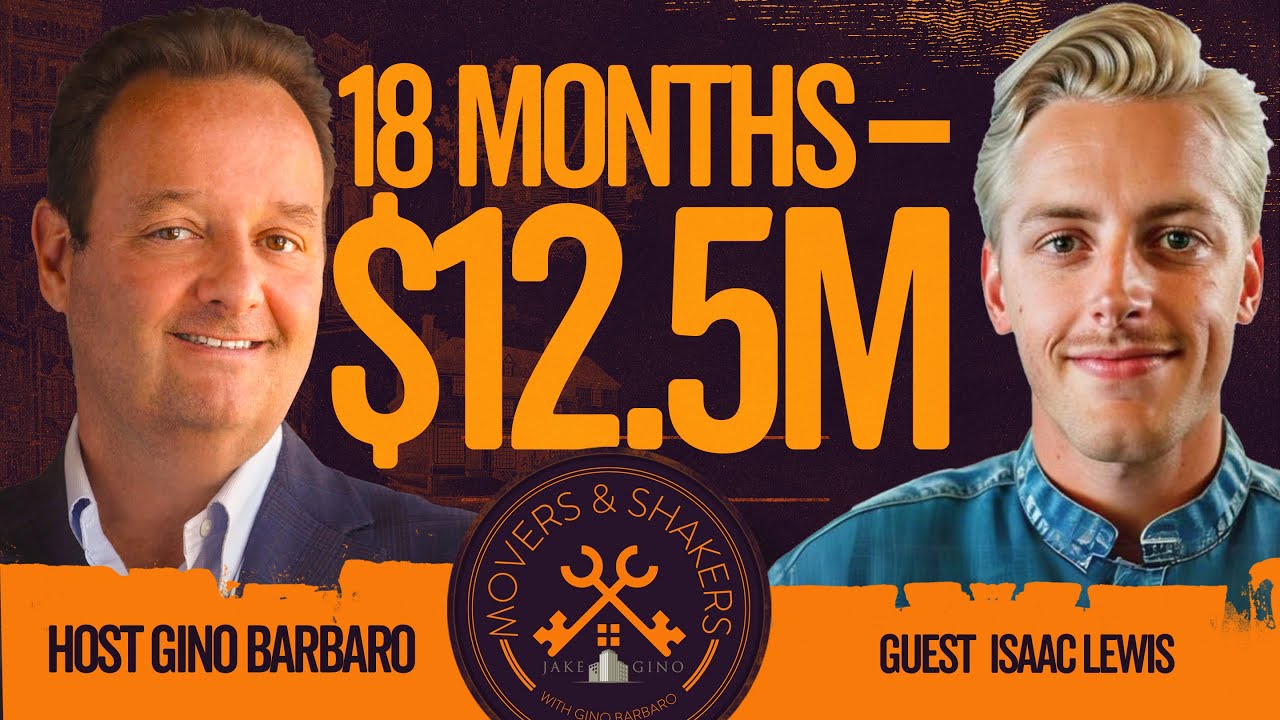
Buying a business is being touted as the next big thing, but is it the next bubble? Just like Bitcoin, commodities, and multifamily real estate before it, the hype is real. But without the right framework, you could be making a massive mistake.
It’s not as easy as social media influencers make it seem. You need a solid framework: Buy Right, Manage Right, and Finance Right. We explore the critical questions you must ask yourself before diving in: Are you buying a job or a business? Are you looking for cash flow or a big exit? And most importantly, are you prepared for the day-to-day grind of management?
We also discuss why “boring” industries like home services (think gutters and closets!) might be the smartest investment right now, offering huge margins and resilience against AI disruption. Whether you’re eyeing a franchise or an independent business, this episode gives you the honest truth about what it takes to succeed.
Key Takeaways-
✅ The Framework Matters: Just like in real estate, you need to Buy Right, Manage Right, and Finance Right. Most entrepreneurs fail at the Manage Right part.
✅ Buying a Job vs. A Business: Be honest with yourself—are you looking to work in the business day-to-day (self-employed), or are you looking to be an investor?
✅ Cash Flow vs. Exit: Decide if you want a business that pays you monthly (like a stable multifamily asset) or one you build for a massive exit down the road (like a tech startup).
✅ Boring is Profitable: Don’t chase “sexy” industries. Niche home service businesses often have better margins and lower competition than trendy sectors like food or AI.
✅ Management is Key: You don’t make money when you buy; you make money when you sell. To get a great exit multiple, you must build systems and manage the business effectively so it can run without you.
If you had to buy a “boring” business today for cash flow, which industry would you choose: home services, personal care, or professional trades? Let us know in the comments!
Are you considering entering the world of multifamily investing? Building wealth and achieving financial freedom through real estate is a dream for many, but success starts before you even look at properties. The foundation of your journey lies in your mindset.
This insightful video by Gino Barbaro delves into the key aspects of building a strong mindset for success:
1. Understand Your Relationship with Money
We all have different financial personalities. Are you a saver, a spender, or an avoider?
Recognizing your financial persona helps you make informed investment decisions.
2. Shift from Victim to Responsible Investor
Stop blaming external factors for your financial situation.
Take ownership of your choices and invest in educating yourself about multifamily investing.
3. Focus on Saving and Long-Term Growth
Wealth creation requires consistent saving. Even small amounts invested strategically can grow significantly over time.
Multifamily investing is a marathon, not a sprint. Set realistic goals and focus on building a strong foundation.
4. Align Your Values with Your Investment Vehicle
What are your core values? Integrity, hard work, and family?
Choose investment strategies that resonate with your values. Multifamily investing can be a good fit for those seeking long-term commitment and stable cash flow.
Watch the podcast:
5. Focus on One Deal at a Time
Don’t get overwhelmed by the future. Dedicate your energy to finding and closing your first multifamily deal.
Success breeds success. A successful first deal will give you experience, momentum, and credibility.
Ready to Learn More?
The video highlights several resources to help you build your multifamily investing knowledge:
Jake and Gino Community: Reach out to Jake and Gino for a copy of their “Wheelbarrow Profits” guide (https://jakeandgino.com/)
Remember, a strong mindset is the cornerstone of successful multifamily investing. By understanding yourself, taking responsibility, and focusing on long-term goals, you’ll be well on your way to achieving financial freedom.
Ever dreamed of building wealth beyond your day job? Investing can be a powerful tool, but it’s important to start on the right foot. This guide, based on Gino Barbara’s YouTube video “How to Buy Your First Investment Property,” will equip you with the knowledge to make informed decisions and avoid common pitfalls.
Building a Strong Foundation
Before diving into the world of investments, Gino emphasizes the importance of a solid financial foundation. This means:
Managing Debt: Pay down high-interest debt like credit cards and student loans. These can hinder your ability to save and invest effectively.
Understanding Your Relationship with Money: Your feelings about money can impact your investing decisions. Take some time to reflect on your money mindset and address any negativity.
Choosing Your Investment Vehicle
The world of investments offers various options. Here’s Gino’s advice:
Pick Your Vehicle: Decide what type of investment you’re interested in, such as stocks, bonds, real estate (single-family or multi-family), or mutual funds. Research each option thoroughly to understand the risks and rewards.
Saving and Investing
Once you’ve chosen your investment vehicle, get ready to commit:
Save Consistently: Building wealth takes time and discipline. Develop a plan to save money regularly.
Investing Wisely:
Learn as You Earn: While Gino offers real estate as an example, the principle applies to other investments. Consider passive options like real estate syndications while you learn or invest directly if you’re ready.
Debt: A Powerful Tool: Debt can be used strategically to leverage your investments. However, only use it if you understand how to “buy right, manage right, and finance right.” Gino offers a free PDF on this framework (mentioned in the video).
Shifting Your Mindset
Gino emphasizes viewing real estate (or any investment) as a business, not a side hustle. This means:
Understanding the Business Model: Learn about key performance indicators (KPIs) like net operating income (NOI) to maximize the profitability of your investment.
Developing an Exit Strategy: Every investment should have a plan for getting your money out, whether through selling, refinancing, or passing it on.
Rinse and Repeat
Investing is a journey, not a destination. Gino recommends:
Continuously Build Your Foundation: Financial literacy is an ongoing process. Stay informed and update your strategies as needed.
Track Your Money Mindset: Regularly assess your feelings about money to ensure a healthy relationship.
Invest Consistently: Make saving and investing a regular habit.
Remember, Gino encourages you to take action! After watching the video, write down your one-word association with money. This will help you understand your starting point.
By following these steps and leveraging Gino’s insights, you can embark on your investment journey with confidence and build a brighter financial future.
The recent Federal Reserve rate cut, while initially positive for borrowers, presents a mixed outlook for multifamily investors. While lower rates can offer refinancing opportunities and potentially boost demand, the broader economic landscape and market conditions introduce significant uncertainties.
The Impact of Lower Rates
Refinancing Benefits: Existing borrowers with variable-rate debt can potentially benefit from lower interest rates, reducing their monthly payments.
Increased Demand: Lower rates might encourage more homebuyers, indirectly boosting demand for multifamily housing.
Market Psychology: The perception of lower rates can create a more favorable investment climate.
Countervailing Factors
Economic Uncertainty: The Fed’s rate cut suggests concerns about economic growth and inflation. A potential recession could impact real estate demand.
Inflation Concerns: Gino expresses doubts about inflation being fully under control, which could lead to further rate adjustments.
Rising Costs: Despite lower rates, other costs such as materials and labor continue to rise, affecting property operations.
Valuation Adjustments: Gino highlights that valuations for multifamily properties have decreased due to higher interest rates, making entry points more attractive.
Multifamily Market Outlook
Rent Growth: Gino suggests that rent growth might slow down or even decline in certain markets due to increased supply.
New Unit Supply: A decrease in multifamily permit applications in late 2023 could lead to fewer new units entering the market, potentially supporting rent growth in the future.
Debt Costs: The 10-year Treasury yield, a benchmark for multifamily debt pricing, remains high. A decrease in this yield could make financing more affordable.
Investor Considerations
Timing: The current market conditions might present opportunities for investors with a long-term perspective.
Risk Assessment: Carefully evaluate the potential risks and rewards before making investment decisions.
Due Diligence: Conduct thorough research and consider factors such as property location, market fundamentals, and management quality.
Conclusion
While the Fed rate cut offers some potential benefits for multifamily investors, the broader economic landscape and market-specific factors introduce uncertainties. It’s essential to approach investments with a cautious and informed perspective, considering both the short-term opportunities and long-term risks.
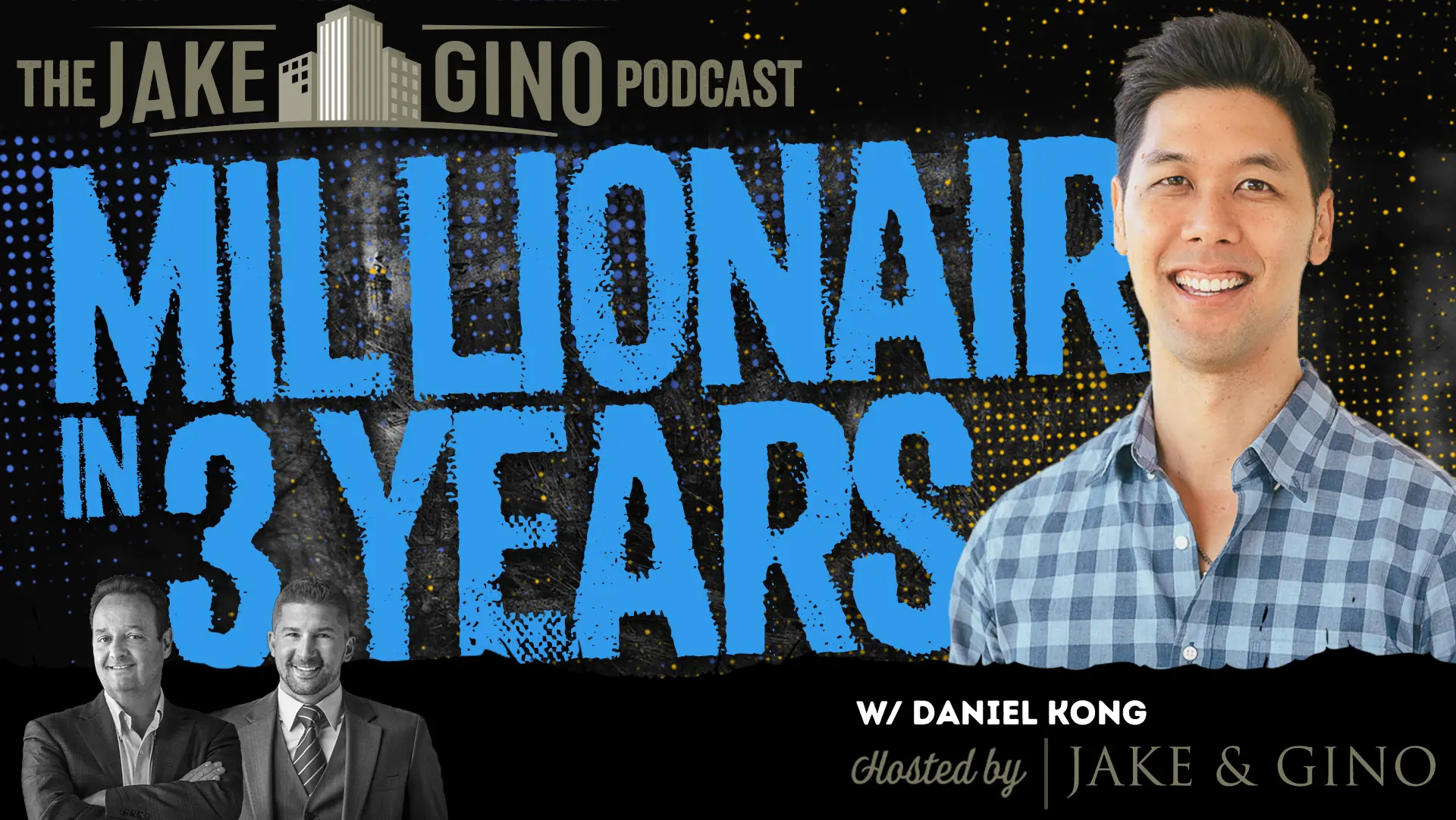
In this episode of the Jake & Gino Podcast, Jake and Gino sit down with Daniel Kong, a real estate investor who was able to retire from his W2 job after just three years. Daniel shares his inspiring story of how he transitioned from a software developer to a successful real estate investor, focusing on multifamily properties in Hawaii.
Key Takeaways
The Power of Passive Income: Daniel emphasizes the importance of passive income and how it can provide financial freedom.
The BRR Strategy: He discusses the BRR (Buy, Rehab, Rent) strategy he used to acquire properties and generate rental income.
The Importance of Mentorship: Daniel highlights the value of mentorship and coaching in his journey, emphasizing that it can accelerate success.
Overcoming Limiting Beliefs: He shares how he overcame limiting beliefs about real estate investing, such as not being able to afford properties in Hawaii.
The Role of Luck and Timing: Daniel acknowledges the role of luck and timing in his success but also emphasizes the importance of hard work and perseverance.
Additional Insights
Daniel’s experience with accessory dwelling units (ADUs) in Hawaii.
The challenges and rewards of investing in real estate, especially in a high-cost market like Hawaii.
The importance of diversifying your investments.
The power of community and accountability in achieving your goals.
Conclusion
Daniel Kong’s story is a testament to the power of determination, knowledge, and the right mindset. By transitioning from a W2 job to real estate investing, he was able to achieve financial freedom and create a sustainable income stream. His journey offers valuable insights for anyone looking to build wealth through real estate.
The multifamily real estate sector, like any other business, is not immune to challenges. In fact, the post-pandemic era and the current economic landscape have presented a unique set of hurdles for those in this industry. However, as Gino Barbaro, co-founder of Jake & Gino, points out, challenges often come hand-in-hand with opportunities.
In this article, we’ll delve into the five biggest challenges facing multifamily real estate today, as highlighted by Barbaro, and explore the silver linings that these challenges present.
Challenge 1: Staffing and Operational Costs
The post-Covid era has seen a significant rise in staffing and operational costs. Finding and retaining qualified property managers, maintenance technicians, and other staff has become increasingly difficult. Additionally, the costs of insurance, taxes, and overall operations have skyrocketed.
Opportunity: This challenge underscores the importance of meticulous underwriting. When evaluating potential deals, it’s crucial to factor in realistic payroll, insurance, and other operational expenses specific to your market. Don’t underestimate these costs!
Challenge 2: Reduced Deal Flow
The pandemic years of 2021 and 2022 saw a decrease in real estate deal flow. While 2023 brought some relief, the market hasn’t fully recovered. This can lead to frustration and boredom for investors.
Opportunity: With less competition, brokers are more eager to connect with potential buyers. This presents a chance to build relationships and get access to deals that might have been out of reach in a hotter market. It’s also a good time to focus on refining your investment strategy and sourcing capital for future opportunities.
Challenge 3: Pullback in Available Capital
Many investors have become wary of the market due to experiences with syndicators not delivering on promises or projects facing foreclosure. Banks are also tightening their lending standards, requiring higher down payments and offering lower loan-to-value ratios.
Opportunity: This credit crunch creates an opening for creative financing options, such as seller financing. This strategy, once common but less prevalent in recent years, is making a comeback. It can provide a way to secure deals even when traditional financing is hard to come by.
Challenge 4: The Risks of Bridge Debt
Many investors used bridge debt (short-term, high-interest loans) to finance stabilized properties during the pandemic, hoping to refinance at lower rates later. However, rising interest rates and longer-than-expected business plan timelines have created challenges for those relying on this strategy.
Opportunity: Proceed with caution when considering bridge debt. If you’re an experienced operator with a solid business plan, it might be a viable option. However, for most investors, fixed-rate financing from credit unions or other sources offers more stability in the current market.
Challenge 5: Oversupply of Assets
The construction boom of 2020-2021 has led to an oversupply of multifamily units in some markets. This could lead to decreased rents, concessions, and increased competition.
Opportunity: This situation presents a chance to negotiate favorable deals with builders looking to lease up their properties. Look for opportunities to acquire assets at a discount or with seller concessions. As the market absorbs these new units, those who bought at the right time and price could see significant returns.
Conclusion: Navigating the Challenges, Embracing the Opportunities
The multifamily real estate market is undoubtedly facing some headwinds. However, within these challenges lie opportunities for those who are prepared, adaptable, and willing to think creatively.
Gino Barbaro’s advice is clear: don’t wait on the sidelines for the perfect market. Start building your financial intelligence, seek out opportunities, and take action today. The key is to focus on the long-term game, be patient, and remember that people with financial intelligence can change the world for the better.
Interest rates are a major player in the multifamily investment game, influencing everything from property valuations to deal flow. The recent surge in interest rates has left many investors feeling uncertain. However, as savvy investors know, fluctuating interest rates present both challenges and opportunities. Let’s delve deeper into how to navigate this dynamic landscape.
Understanding the Impact of Interest Rates
The current high-interest rate environment is a stark contrast to the low rates seen in recent years. This has led to a decrease in property valuations and a significant slowdown in deal flow. A $5 million loan at 3.5% interest translates to a monthly payment of $22,000. However, at the current rate of 7%, that payment jumps to $33,000 – a substantial increase that directly impacts your bottom line.
The Fed’s Dilemma & Market Opportunities
The Federal Reserve is currently in a difficult position. While they need to lower rates to stimulate the economy, doing so could further fuel inflation. This creates a window of opportunity for investors.
As banks start calling in loans that can’t be extended, we’re likely to see an increase in motivated sellers looking to offload their properties. This could lead to attractive deals at a discount, especially towards the end of the year.
Strategies for Success in a High-Interest Rate Environment
Focus on “Finance Right”: Don’t let interest rates scare you away from investing. Instead, focus on securing the best possible financing terms for your deals. Consider working with credit unions, which often offer better rates than community banks.
Underwrite Conservatively: Make sure your deals work in the current interest rate environment. Don’t rely on future rate drops to make your investment profitable.
Consider Assumptions with Supplemental Loans: This strategy can provide access to better terms, including interest-only periods and additional capital.
Be Patient & Network Actively: Deals are out there, but you need to be proactive. Network with brokers, get on their lists, and be ready to move quickly when opportunities arise.
Think Long-Term: Real estate is a long-term investment. Don’t get caught up in short-term market fluctuations. Focus on building a solid portfolio that will generate cash flow and appreciate over time.
Remember, the key to successful multifamily investing is to be adaptable and proactive. By understanding the impact of interest rates and implementing sound strategies, you can navigate any market condition and achieve your investment goals.
Nick DiLeon’s path to real estate success is nothing short of inspiring. With 20 years of commercial real estate experience under his belt, Nick decided to take the leap and build his own multifamily empire. In this interview with Gino Barbaro, Nick shares how he overcame challenges and leveraged his skills to achieve his ambitious goals.
The Turning Point
After being laid off twice, Nick was at a crossroads. He had always dreamed of venturing into real estate for himself but was hesitant to leave the security of his W-2 job. However, these setbacks became the catalyst he needed. Inspired by the Jake & Gino podcast and the thriving community, he decided to launch his company, Leon Real Estate, in 2020.
Why Multifamily Real Estate?
Nick chose multifamily real estate for its promising potential. He saw the sector’s resilience, especially during uncertain economic times, and recognized the opportunity to create lasting wealth through equity building.
The Power of Community
Joining the Jake & Gino community proved pivotal for Nick. It provided him with the support and knowledge needed to navigate the complexities of real estate investing. He emphasized the importance of recognizing strengths and weaknesses and leveraging partnerships to achieve success.
The Waco Deal
Nick recounts his experience with a value-add deal in Waco, Texas. This property was acquired at an attractive price due to some overlooked operational inefficiencies. By focusing on asset management and operational improvements, Nick and his team significantly increased the property’s net operating income (NOI) and positioned it for a profitable exit.
Key Lessons
Persistence Pays Off:Even in a competitive market, consistency and dedication are key.
Leverage Your Skills:Nick’s asset management background gave him an edge in optimizing property operations.
Build a Strong Team:Real estate is a team sport. Surround yourself with skilled individuals who complement your strengths.
Focus on the Fundamentals:Solid underwriting, operational efficiency, and smart financing are crucial.
Think Outside the Box:Explore secondary and tertiary markets for potential opportunities.
Embrace Community:The support and knowledge you gain from a like-minded community can be invaluable.
Nick’s Future in Multifamily
Nick’s vision extends beyond his current achievements. He sees himself building an enduring organization that creates lasting value for his investors and partners. He remains committed to the multifamily space while actively exploring other asset classes to diversify his portfolio.
Conclusion
Nick DiLeon’s story is a testament to the transformative power of real estate investing. He proves that with dedication, the right knowledge, and a supportive community, anyone can achieve financial success in this field. Whether you’re a seasoned investor or just starting out, Nick’s journey offers valuable insights and inspiration.
Real estate investing offers numerous avenues to generate wealth beyond the commonly sought-after cash flow. In this video, Gino Barbaro, co-founder of Jake & Gino, shares insights into the diverse strategies you can leverage to achieve financial success in real estate.
Dispelling Myths
Barbaro begins by debunking some prevalent myths in real estate. He emphasizes that while cash flow is desirable, the true profit lies in equity. You make money when you exit the deal, whether through a refinance or a sale.
Key Takeaways
Cash Flow vs. Equity: While cash flow can help you leave your job, equity is what builds lasting wealth.
Transactions vs. Equity: Transactions pay the bills, but equity creates true riches. Focus on multifamily real estate or long-term holds for equity accumulation.
Don’t Quit Your Job (Yet):If you’re starting out, balance your W-2 job with real estate investing. Your job provides income and facilitates loan approvals.
Multiple Income Streams: Real estate offers various ways to make money, including cash flow, equity, fees, wholesaling, flipping, Airbnb, private lending, and brokerage.
Build a Portfolio: The ultimate goal is to create a real estate portfolio that generates consistent cash flow and builds equity over time.
Ways to Make Money in Real Estate
The video explores several strategies to generate income in real estate:
Cash Flow: The monthly dividend from rental properties is a common goal. However, building a cash flow-positive portfolio often requires initial capital or creative financing strategies like seller financing or syndication.
Equity: This is the core of wealth creation in real estate. Acquire a property, add value through improvements, and sell or refinance at a higher price to unlock equity.
Fees: Get involved in syndication, real estate brokerage, or other services to earn fees.
Wholesaling: Find and contract properties below market value, then assign the contract to another buyer for a fee.
Flipping: Buy, renovate, and sell properties for a profit. This can be applied to single-family homes or larger multifamily properties through syndication.
Airbnb: Rent out properties on a short-term basis to generate significant cash flow, particularly in high-demand markets.
Private Lending: Lend money to other investors and earn interest.
Brokerage: Facilitate real estate transactions and earn commissions.
Conclusion
Success in real estate requires dedication, persistence, and a clear understanding of your financial goals. Whether you’re seeking immediate cash flow or long-term wealth through equity, real estate provides a wealth of opportunities. Remember, the key is to start building your real estate portfolio and business today.
Remember:
The information in this article is based on the insights shared by Gino Barbaro. Individual circumstances and market conditions may vary.
Conduct thorough research and seek professional advice before making any real estate investment decisions.
Additional Tips
Network: Connect with other real estate investors and professionals to gain insights and potential deal opportunities.
Educate Yourself: Stay informed about market trends, financing options, and legal considerations.
Be Patient: Building a successful real estate portfolio takes time and effort.
By understanding the different ways to make money in real estate and taking consistent action, you can create a path toward financial freedom.